
Quantum XChange updates the management layer for quantum-safe networks
A product update focuses on the operational side of cryptographic migration.
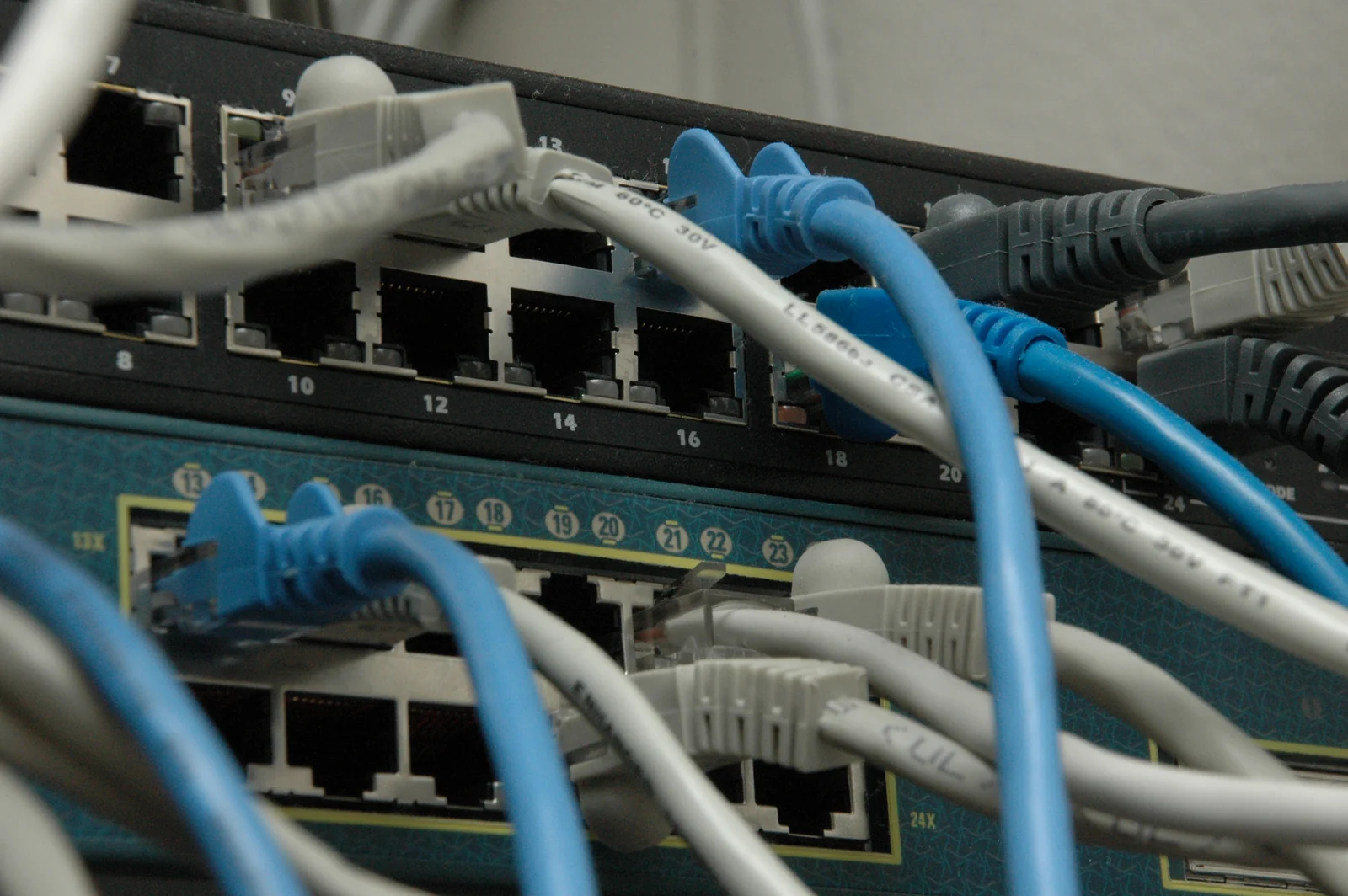

Quantum XChange has released version 2.0 of its Phio TX Centralized Management Console, adding controls intended to make quantum-safe network deployments easier to operate. The October 27 announcement focuses on the management connections and setup processes surrounding the company's network-security products.[1]
The company says the update adds post-quantum protection to management tunnels, zero-touch provisioning and changes to container enrollment. It also introduces a more flexible naming system for cryptographic algorithms as standards and terminology evolve.[1]
Editorial interpretation
These are product capabilities described by the vendor. They do not establish independent certification or guarantee that an entire network is protected against every future attack.
The practical story is that cryptographic migration has an operations problem as well as an algorithms problem. Administrators need to configure, monitor and change distributed systems reliably. Before adopting a management platform, readers should examine supported algorithms, interoperability, key management, rollback procedures and the evidence behind its security claims.
Learn: What a security management console can establish
A security management console helps an organization control a deployment: configure systems, inspect status and coordinate changes. Those functions can make cryptographic migration more manageable. The strength of the underlying protection still depends on the components, configuration and security assumptions represented by that console.
A useful review therefore asks two separate questions. Can administrators operate the system reliably? And what evidence supports the security properties the system claims? A convenient interface can improve the first answer without automatically resolving every part of the second.[1]
Worked example
Hypothetical example: a dashboard reports that 48 of 50 nodes have received a new configuration. That is useful operational information. It does not mean the organization is 96 percent secure. The two remaining nodes might carry little traffic or might sit on a critical route. Even the configured nodes need the intended endpoints, algorithms and key-handling behavior to match the deployment's security requirements.
A useful product description explains what the dashboard measures. Does it report requested configuration, confirmed configuration or a successful live connection? How old is the status? What happens when a node is unreachable? These distinctions let readers interpret a green indicator without turning it into an undefined guarantee.
Cryptographic flexibility also needs a concrete description. Renaming an algorithm, changing a policy and replacing an implementation are different operations. A product may support one or several. Look for the supported action and evidence that it works across the relevant environment.
For evaluation, ask for a reproducible demonstration that includes a change, a failure and a recovery. Record what administrators see and which protections remain active during the transition. This gives operational claims a fair test while keeping independent security validation visible as a separate source of evidence. A feature list alone cannot answer those operational questions.