
Deleting gates that cancel out changed a quantum computer’s results
On a three-qubit desktop computer, changing the order of equivalent instructions sometimes changed the output. Neither version consistently won.
Reading tools for text size, copying, printing and your reading list
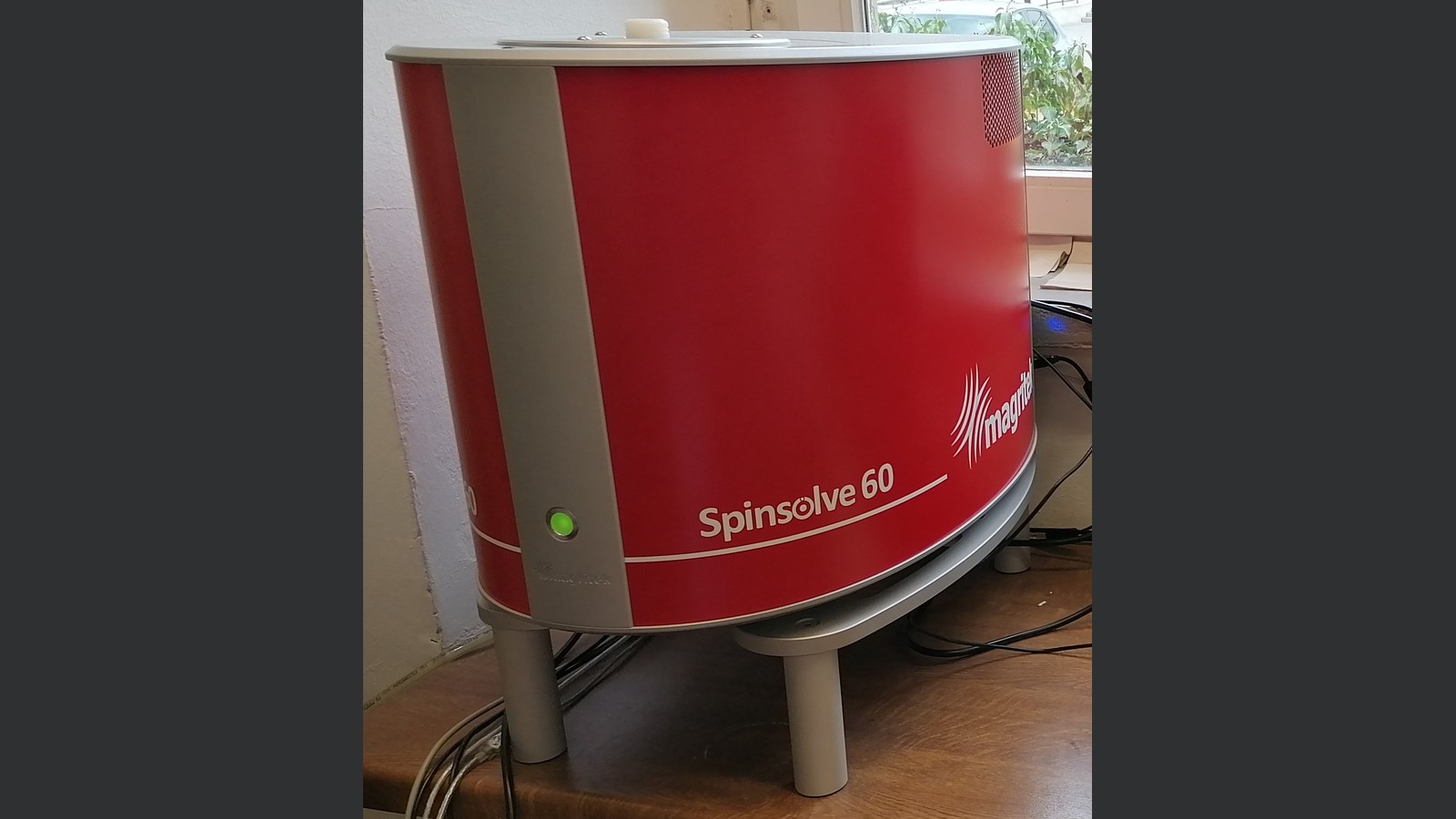
Two sets of instructions can do exactly the same thing on paper and still give different results on a real quantum computer. Researchers demonstrated that mismatch on a three- desktop machine by changing the order of operations in a program that prepares a particular distribution of outcomes. Across 700 hardware runs, one version came out ahead on some tests and behind on others. The experiment doesn’t tell programmers which order to pick. It shows why writing down the right math is only half the job.[1]
The program was a way to load probabilities into three qubits. Think of eight possible outcomes, with a recipe for how much of the total probability each should get. The researchers had two ways of writing part of the recipe. Both used the same ideal operations and angles, but put some operations in a different order. An ideal machine would leave the qubits in the same state after either sequence. On the SpinQ Triangulum, the two versions produced different numbers.[1]
The better version depended on the test
The team compared seven target distributions. After it adjusted for testing several targets, three showed statistically significant differences between the two sequences. The same version did not win all three. In a separate campaign on one machine, the researchers removed gates that cancel out in the ideal calculation. That changed what the hardware had to execute without changing what it was supposed to compute. Which version produced the closer match to the target flipped. A different rewrite that left the gate list unchanged made no clear difference in one tested session.[1]
This machine uses nuclear magnetic resonance, or NMR. The qubits are encoded in the spins of nuclei in molecules in a liquid. Radio pulses tell those spins how to change, and the instrument reads signals from many molecules together. The researchers suspect that the timing and order of the physical pulses help explain the differing results, but they didn’t pin down a mechanism. This was a study of a small tabletop system, not a measurement of how large quantum processors respond to the same rewrites.[1]
A good score can still hide a bad habit
On one test, all eight outcomes were supposed to be equally likely. The reported probability-match score was 0.962 on a scale that tops out at 1. Yet two of the output bits showed a correlation of 0.217, when the target called for no correlation at all. The summary score was high, but it didn’t tell the researchers what the machine was getting wrong. Nor does matching a list of probabilities establish that the machine preserved the quantum relationships between the outcomes.[1]
The practical lesson is to check both the exact instructions the hardware runs and the features of the output that matter for the task. If a calculation relies on two outputs being independent, for example, it’s worth checking that relationship directly instead of relying on one score for the whole result.[1]
Keep your reading trail
Keep up with these topics
Explore the subjects covered in this story.