
Quantum Entanglement Lasted 240 Times Longer, Without Deep Freezing
A silicon-carbide experiment moved fragile quantum information into nuclear-spin memory at room temperature. It is a storage result, not a room-temperature supercomputer.

In quantum technology, remembering can be as difficult as calculating. A delicate connection between particles is useful only if it survives long enough for the next operation.
Researchers at the University of Science and Technology of China report a way to make that connection last much longer at room temperature. In a silicon-carbide quantum node, they transferred an state from an electron-and-nucleus system into longer-lived nuclear-spin memory. The measured entanglement lifetime increased by a factor of 240. The result appeared in Physical Review Letters on September 4.[1][2]
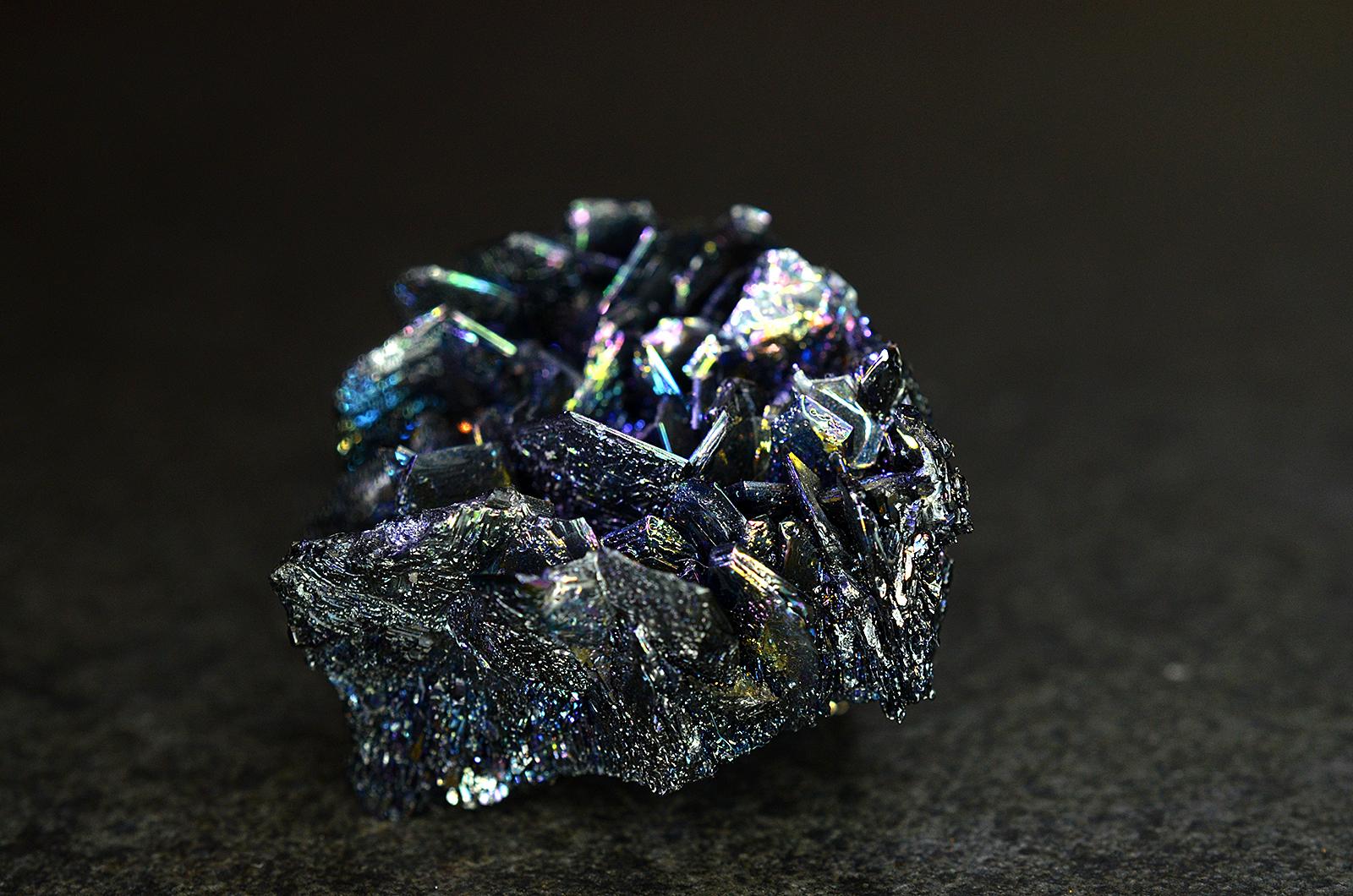
The experiment used a tiny defect in the crystal as a controllable quantum system. One electron spin acted as a processor alongside two nearby silicon nuclear spins. A carefully controlled swap operation moved the information into the nuclear memory, with a reported transfer fidelity of 92.5%, plus or minus 2.5 percentage points.[1][2]
The intuitive idea is to separate fast work from safer storage. One part of the device is convenient to manipulate, while another is better at holding on to a quantum state. Making those roles cooperate could be valuable wherever an operation has to wait for another part of a system.[2]

But the eye-catching multiplier needs its boundary. It compares storage in this experiment; it does not mean every quantum memory became 240 times better. Fidelity is also not perfection. The reported transfer still leaves room for errors, and a small register is a long way from a complete, scalable computer.
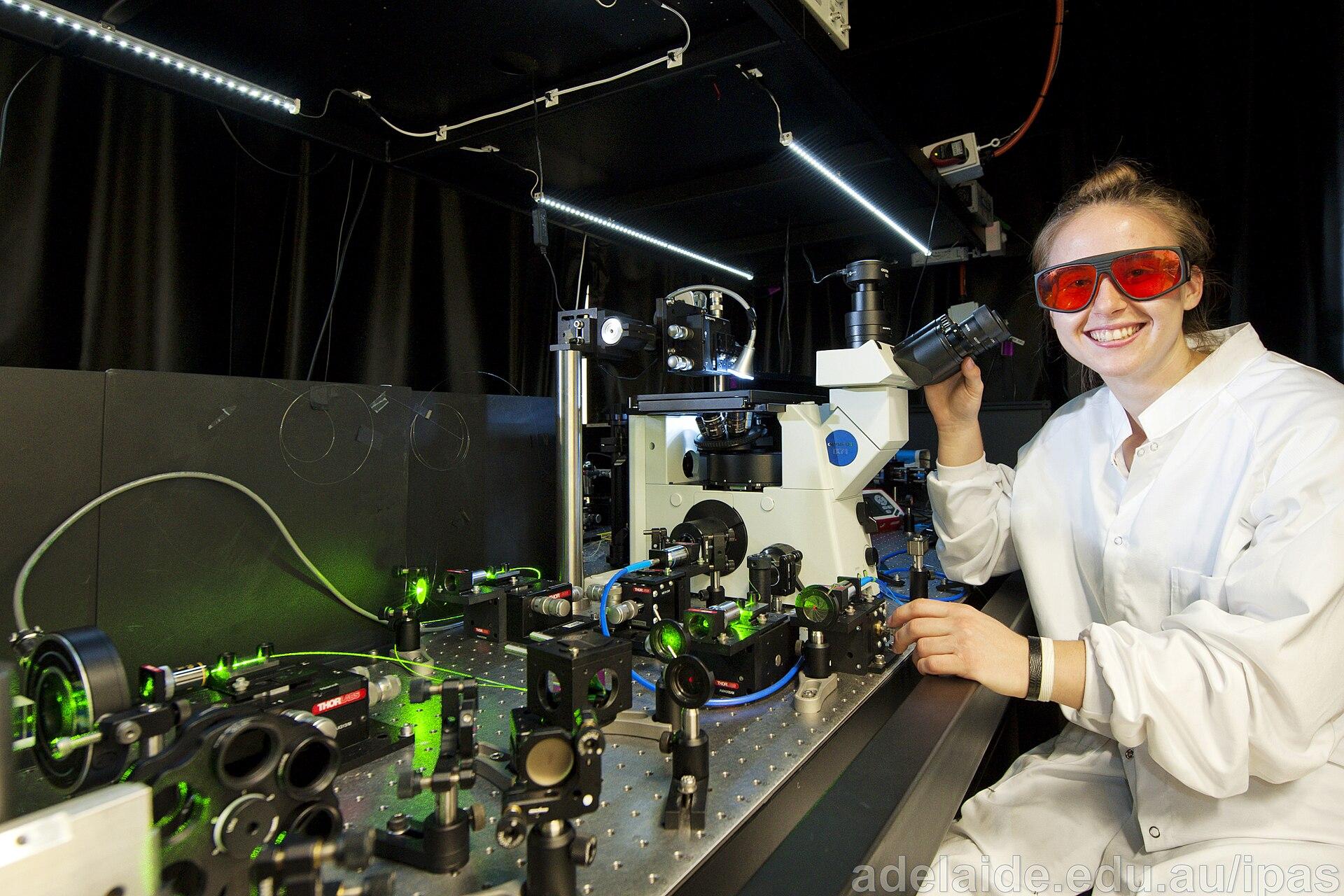
Room temperature makes this a distinctive result, but it does not remove the need for lasers, microwave control, careful characterization or suitable material. It is also not the same story as recent room-temperature diamond demonstrations. Here, the material is silicon carbide and the central achievement is moving entanglement into memory.[2]
The most useful next questions are whether the storage procedure remains reliable across many devices and how it connects to more complex operations. The result suggests a practical design principle rather than a finished product: quantum hardware may work better when the part doing the thinking is not also asked to do all the remembering.