
Four Qubits. One Diamond. No Deep Freeze.
A room-temperature experiment takes a faster route to entanglement. The important number is four, not millions.
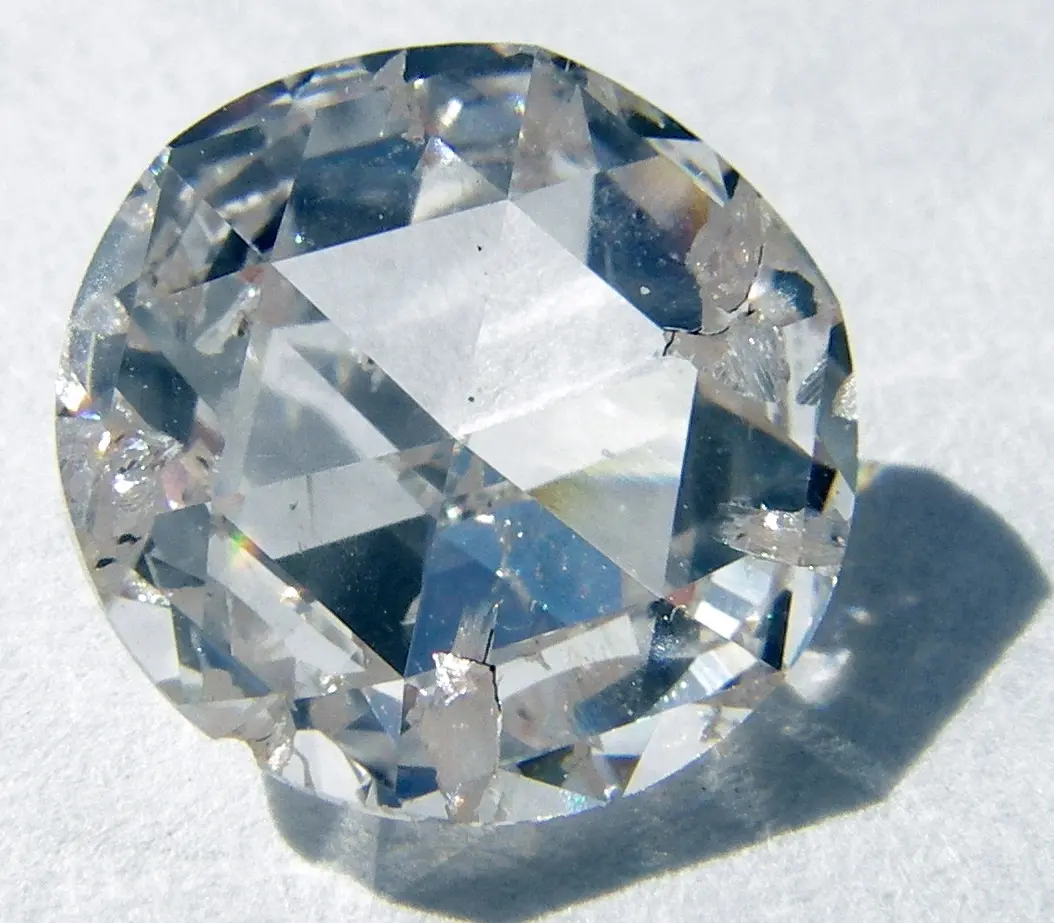

The most useful part of a diamond may be a flaw. In a quantum experiment, that flaw has helped four become without putting the register into a deep freeze. The work appeared in Nature Nanotechnology on September 14.[1][2]
The researchers used a nitrogen-vacancy center: a nitrogen atom beside a missing carbon atom in diamond. Such defects give scientists a way to control and read out quantum states using light and other control signals. Think of the crystal as a carefully engineered host, not a gemstone doing calculations by itself.[1][2]
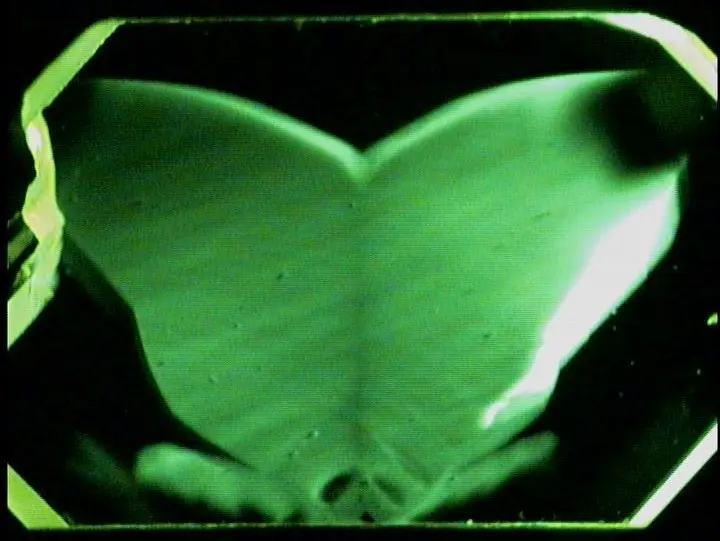

Instead of building the four-qubit connection through a succession of two-qubit operations, the team used a parallel operation. The authors' openly available manuscript reports 14.8 microseconds, roughly a tenth of the time needed by the sequential comparison. That is a faster entangling step, not a computer that runs every program ten times faster.[1][2]
A useful analogy is getting a quartet to start together rather than asking each musician to join one at a time. The analogy ends there: quantum entanglement is not ordinary coordination. The qubits share a state that cannot be described as four independent pieces.
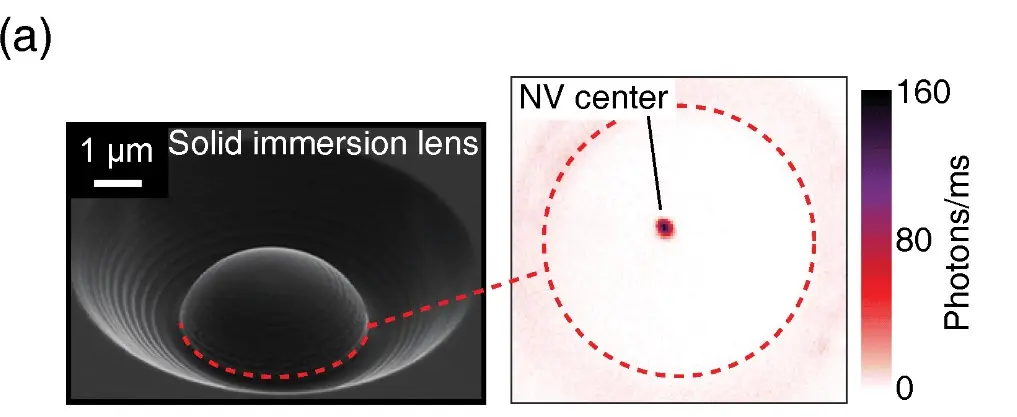

Why care about a four-qubit result? Because useful quantum computing depends on reliable operations, not only bigger qubit counts. A shortcut is worth investigating when it removes opportunities for mistakes rather than merely moving them elsewhere. That is the engineering question to carry forward from this experiment.
The limits matter. This is a small laboratory register, not a general-purpose computer or evidence that a quantum laptop is close. Room-temperature operation also does not mean the surrounding control equipment disappears. The next questions are whether the approach scales and whether that speed survives in more demanding tasks. The intriguing change is the route being explored, not a finished destination.