
One Well-Timed Flip Can Delay Quantum “Sudden Death”
A photonic experiment shows that the timing of a simple intervention can change when entanglement disappears.
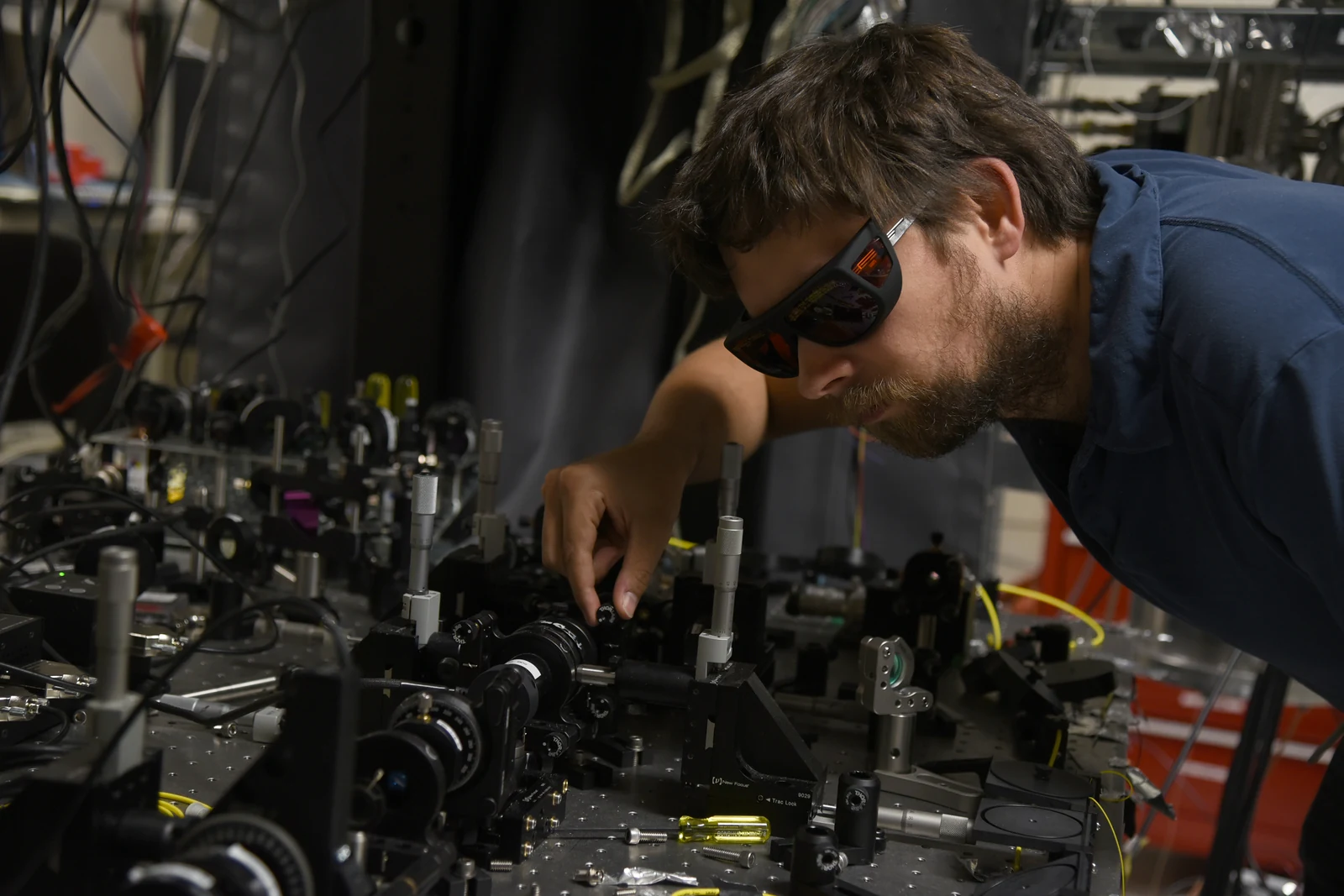
Quantum does not always fade gently. Under some kinds of noise, the useful connection between two systems can disappear abruptly—a phenomenon known as entanglement sudden death.[2]
A Raman Research Institute team has explored a surprisingly small intervention: a single, carefully timed flip. In a photonic experiment, changing when that intervention occurred changed the fate of the entanglement.[1][2]
The timing is the trick
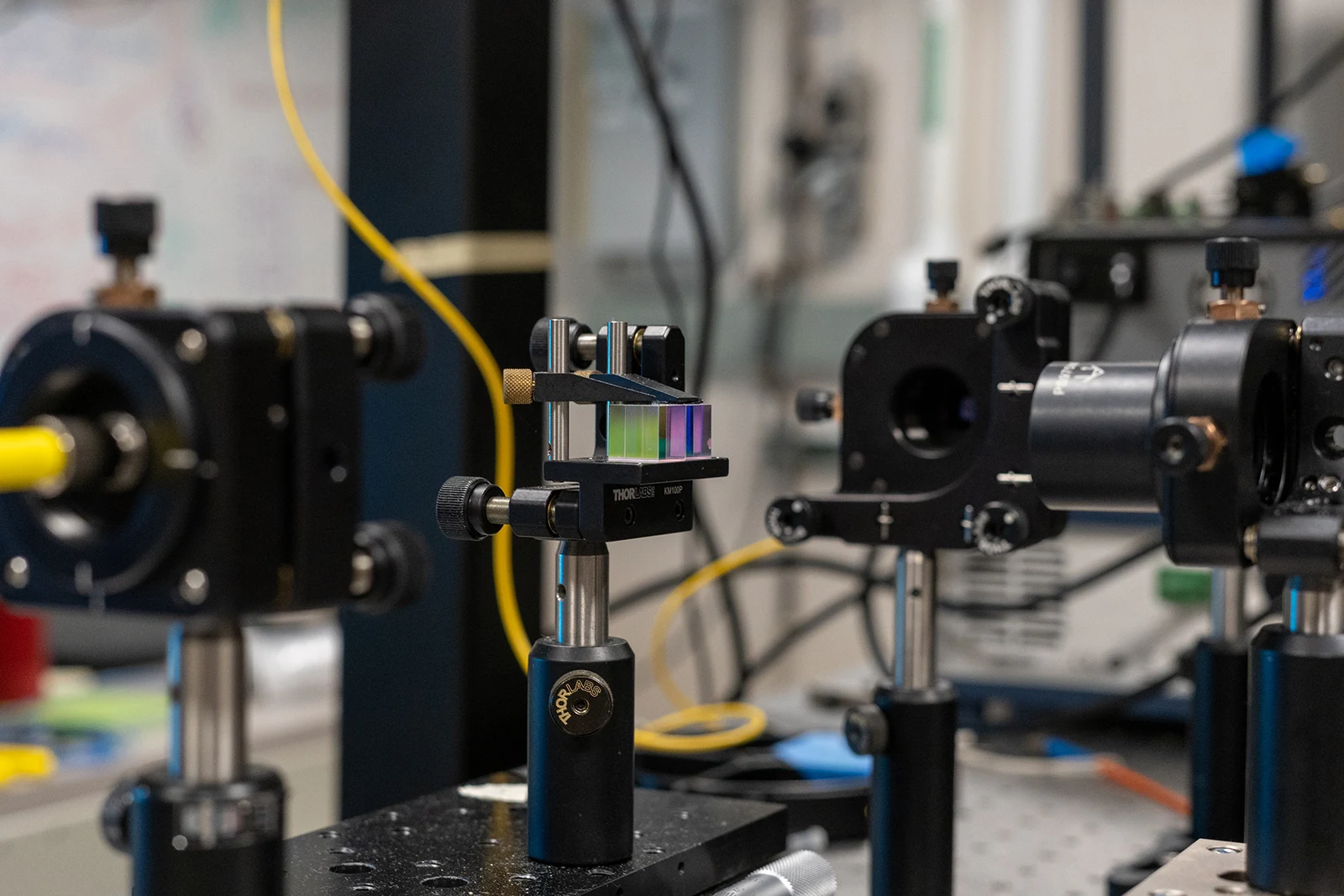
The researchers used light to investigate how entanglement behaves under different decay conditions. Their analysis and experiment show that a one-shot control operation can delay, avoid or even hasten sudden death, depending on the state, noise and timing.[2]
The accessible takeaway is not “press this button to save a quantum computer.” It is that a fragile quantum system’s future can depend on when a comparatively simple action is taken—not only on adding more hardware.
Not an immortality switch
Avoiding abrupt entanglement loss does not mean keeping a perfect quantum state forever. Nor does a photonic demonstration automatically solve the noise problems inside every quantum processor.
The institute highlighted the work on September 7; the underlying Physical Review A paper was published on July 6. This is a recently explained result, not a paper that appeared this week. For a field often discussed in terms of ever-larger machines, the appeal is refreshingly small: one action, placed at the right moment. The next question is where that control can be useful outside the experimental conditions.[1][2]