
Sweden funds four quantum materials projects, including a new look at randomness
The programs committed 32 million kronor to research on light-driven random numbers, quantum sensing and networks. A 2023 prototype shows why the materials matter.
Reading tools for text size, copying, printing and your reading list
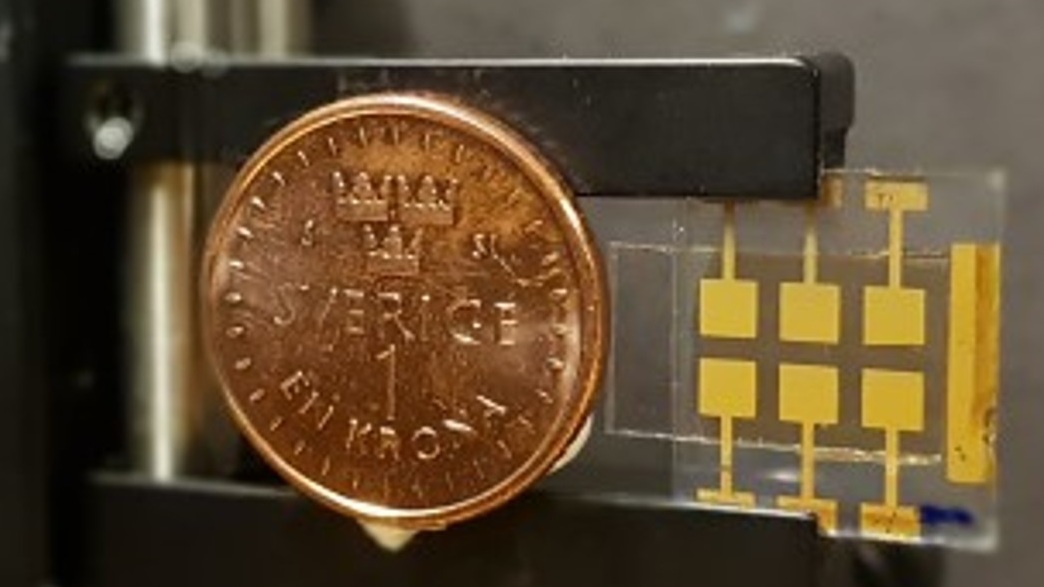
Two Swedish research programs are putting 32 million kronor into four projects that tackle a less visible part of building quantum devices: finding materials that do what the theory requires for long enough to be useful. One of the grants goes to Linköping University researchers exploring how a light-emitting material called a perovskite can help make random numbers harder to predict.[1][2]
The Wallenberg Centre for Quantum Technology and the Wallenberg Initiative Materials Science for Sustainability each committed 16 million kronor. They selected four of 18 applications to a joint call opened in May. The November 20 announcement lists the teams and topics, but doesn’t say how much any one project received. It reports funding decisions, not results from the new work.[1][2][4]
The original call was aimed at collaboration, not at buying finished equipment. Each project was to be led jointly by one investigator from each program. The funding can support doctoral students or postdoctoral researchers, as well as some research expenses. The call also required applicants to address sustainability. That requirement is not evidence that the selected devices will use less energy or have a smaller environmental footprint.[4]
Why make random numbers with light?
Random numbers help protect digital information because an outsider who can guess a secret number may be able to guess a key. A quantum random-number generator can use the outcome of a light measurement as a source of unpredictability. In the Linköping group’s earlier experiment, the small sample in the photograph supplied light; separate optics and detectors turned measurements into bits. The light-emitting sample on its own wasn’t the generator.[3]
The Linköping award leads, Guilherme Xavier and Feng Gao, were both authors of that 2023 study. Its prototype reached a maximum sustained raw rate of 10.35 million bits per second. That number measures detector output before the procedure that extracts a shorter stream of private random bits. The raw rate was fairly steady for about eight days and then declined as the LED degraded. The sample was still above half its original brightness when the experiment ended after 22 days.[1][3]
It’s an instructive distinction. A device might start fast and then generate fewer detections as its emitter dims. It could also produce plenty of bits that don’t all contribute useful unpredictability. A convincing follow-up would track both the optical performance over time and the amount of private randomness that can actually be extracted, under clearly stated assumptions. The November award sets no public performance target for either measure.[1][3]
What the other three projects will study
The other grants go to three separate ideas: a light-based quantum-network component using individual erbium ions at room temperature; layered materials for programmable quantum sensors; and extremely thin membranes for infrared detection. None of those projects shares the perovskite device pictured here. The thread connecting them is whether a change to a material can make a quantum device more practical, not whether any of the four devices is ready for use.[1][2]