
Three People Making Quantum’s Future Feel Less Like Science Fiction.
Michelle Y. Simmons, John Preskill and Krysta M. Svore offer three different ways to understand the work ahead.
Reading tools for text size, copying, printing and your reading list
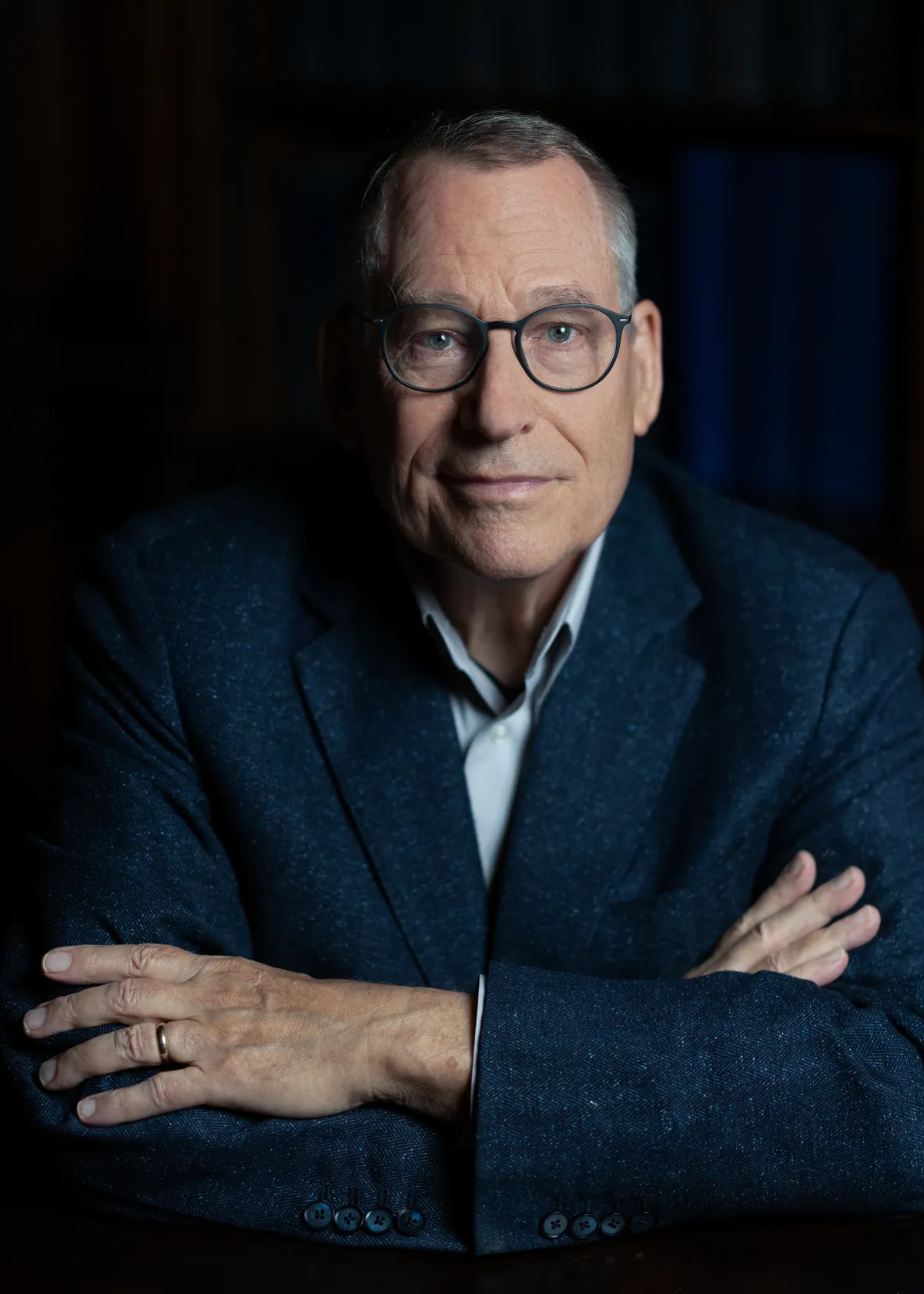

Quantum computing can feel like a contest between mysterious machines. Look at the people behind the field and a more interesting picture appears: different minds solving different parts of the same enormous problem. Three members of the QubitWire 100 make a particularly good place to start.[7]
Michelle Y. Simmons brings extraordinary precision to the question of how to build the hardware. The UNSW scientist and Silicon Quantum Computing founder has pursued quantum devices in silicon with control at the atomic scale. Her work makes a seemingly abstract ambition wonderfully tangible: place the building blocks carefully enough, then make them work together.[1]
John Preskill helps frame what those machines could do and how fragile quantum information can be protected. The Caltech theorist has helped shape the field’s language and research agenda while training generations of scientists. His contribution is a reminder that progress also starts with asking a better question.[2]
Krysta M. Svore works on the bridge between quantum ideas and usable computing systems. Now at NVIDIA, following her work at Microsoft, she brings a software and hybrid-computing perspective to a challenge that cannot be solved by hardware alone.[3]
This is a spotlight, not a ranking. Build the system. Protect the information. Make it programmable. These are three complementary contributions among many, and three good reasons to feel optimistic about the people doing the work.[4][5][6]