
UbiQD is developing a fiber-connected source of individual photons
The company has explained a single-photon prototype project funded by a New Mexico award announced in July.
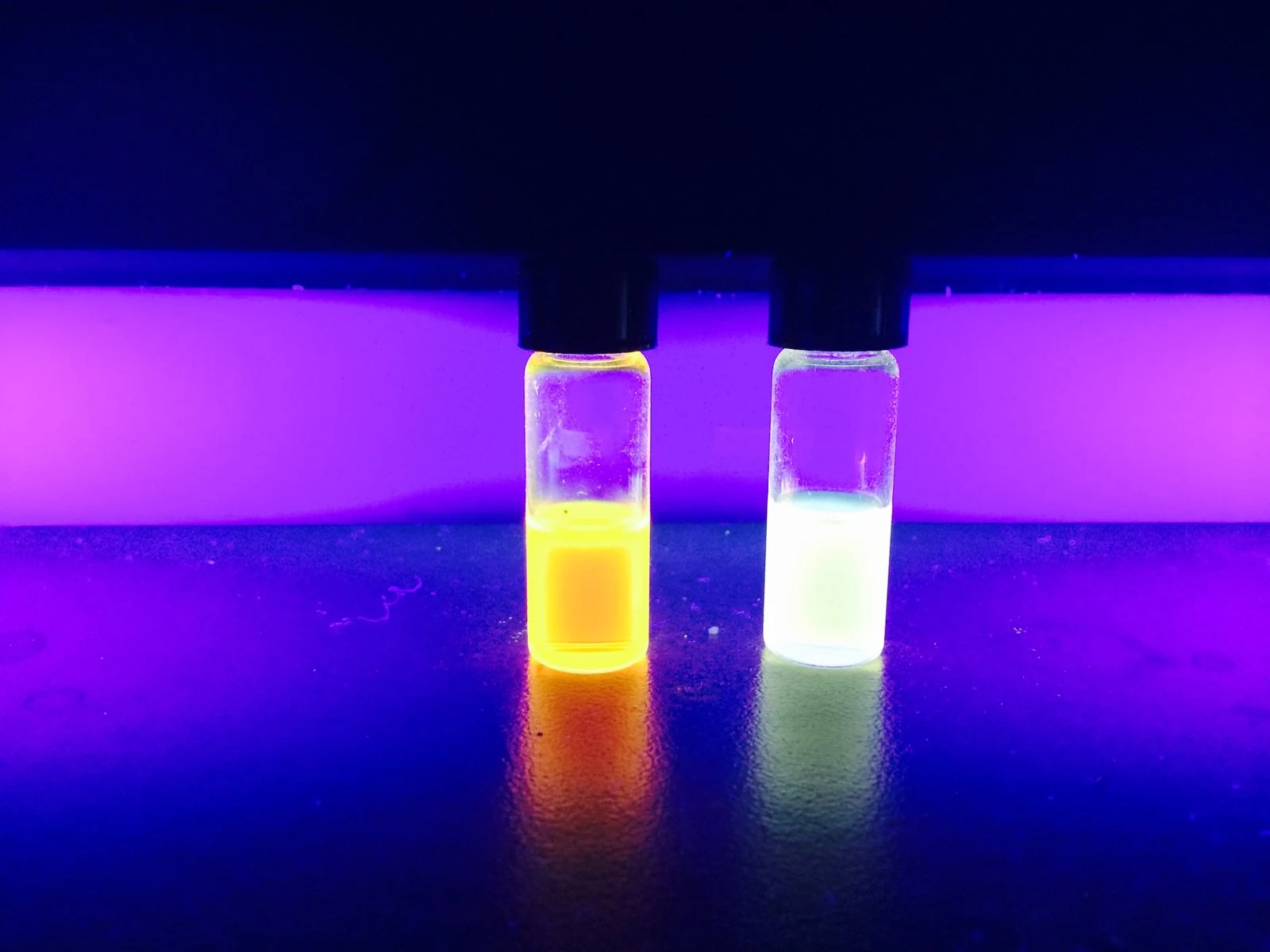

UbiQD has outlined a project to develop a single-photon light source connected to optical fiber. Its October 28 announcement describes prototype work using the company's quantum-dot materials, with room-temperature operation among the targets. It reports a development program, not a completed product with published operating measurements.[1]
The $200,000 grant is earlier news. New Mexico announced UbiQD as one of six award recipients on July 14. The new company release explains the intended component and development work. That chronology matters: funding the research, characterizing a prototype and delivering a usable source are separate milestones.[2][1]
According to UbiQD, the initial work will measure emission behavior and use the results to refine the materials. The proposed fiber connection makes the output interface part of the story: the eventual component must deliver useful light where another device can receive it.[1]
Our assessment is that the most informative next report would follow a photon from the emitter to that interface. It would state how often the device is triggered, how often a photon reaches the output and how the measurements distinguish single-photon operation from unwanted multi-photon events. Those are proposed reporting criteria, not results established by this release.
The test conditions would matter as much as the headline rate. A buyer comparing possible sources would need the operating temperature, collection arrangement and stability over a stated measurement period. Measurements made at different points in the optical setup should be labeled so that losses between the material and the output are visible.
Repeatability would add another layer of evidence. A useful prototype report could show several separately prepared devices and explain how their performance varies. That would help readers connect a promising material to a component that can be made and connected reliably, without inferring a manufacturing result from the existence of a patent.
The development is worth following because it targets a component at the boundary between materials and optical systems. The next milestone is a measured prototype with explicit conditions. The award establishes support for that work; the measurements will establish what the component can do.