
Skip to content

2026 SELECTION

QubitWire 100

100 people recognized for contributions to quantum computing. Unranked and alphabetical by surname.

An unranked collection. Browse by surname or start with an idea.

Browse by topic
Explain these topics
Error correction
Methods that protect encoded quantum information by detecting and correcting certain errors.
Neutral atoms
A hardware approach that stores quantum information in electrically neutral atoms.
Quantum networks
Links that distribute quantum information or entanglement between locations.
Algorithms & complexity
How quantum calculations work and what resources they require.
Foundations
The concepts and physical principles that quantum information builds on.

The 2026 selection4 of 100 people

About foundations
Foundations
The concepts and physical principles that quantum information builds on.

Jump to surname

B

1 person

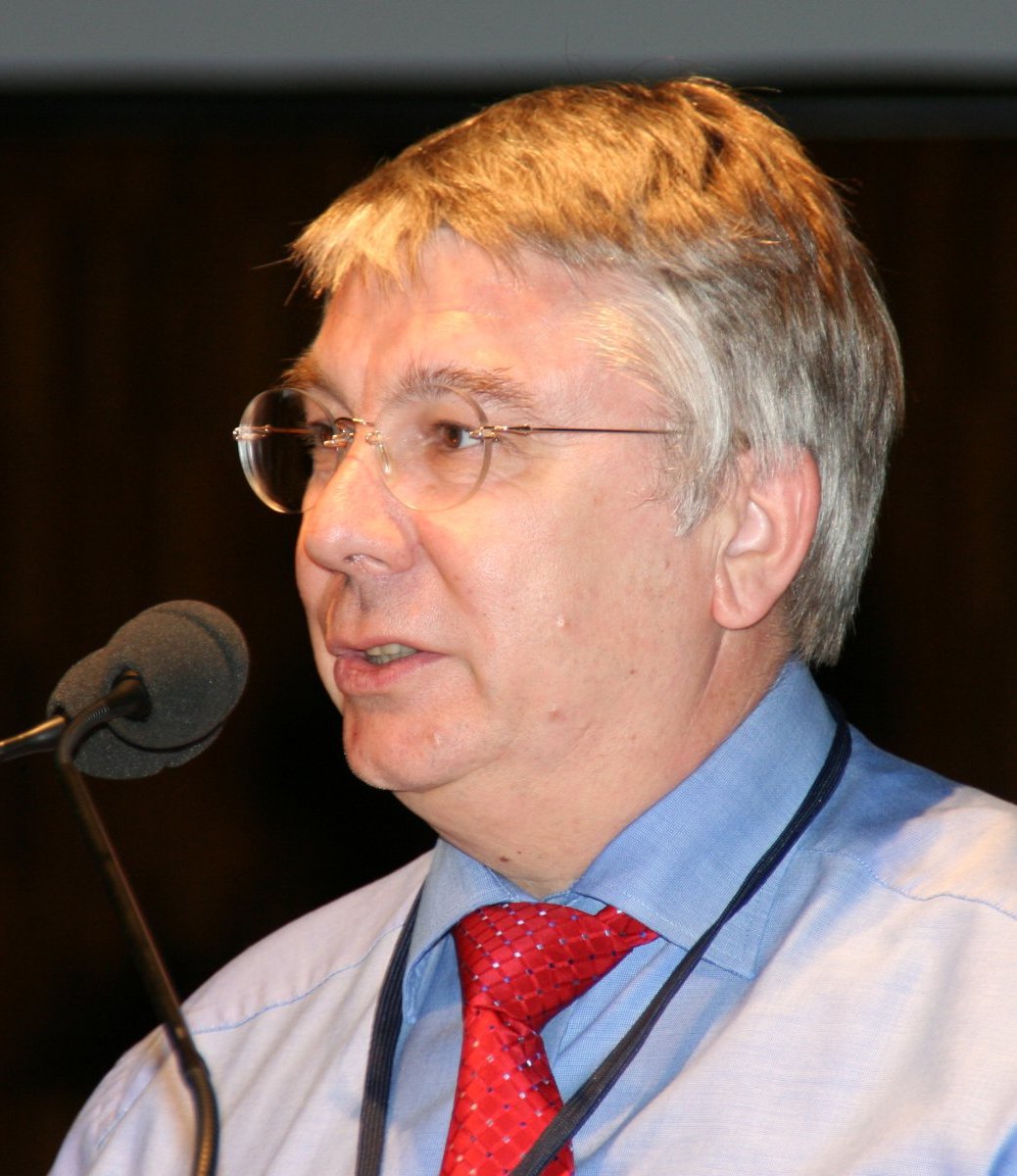
Blatt advanced trapped-ion quantum computing through experiments on entanglement and coherent control, and helped take the Innsbruck approach into commercial hardware through AQT.

Institute for Quantum Optics and Quantum Information, Innsbruck

Emeritus Research Director

Read profile
Why included? 3 sources

Blatt’s career connects precise atomic control with the challenge of assembling a quantum computer. The Innsbruck team’s creation of large entangled ion states demonstrated coordinated control while exposing how correlated noise grows with system size. His cofounding of Alpine Quantum Technologies then linked that laboratory expertise to a company building trapped-ion systems for users beyond the original research group. The common thread is engineering quantum information with individually controlled ions. His current institutional identification is emeritus research director, and team results are credited as collaborations throughout this profile.

Quantum hardwareFoundations

Documented work base: Austria

Identification checked Explore the contributions and sources
C

1 person

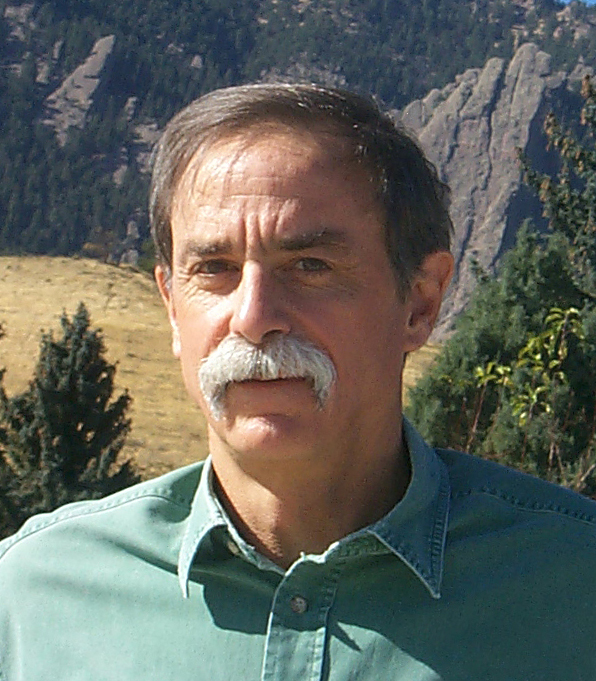
A quantum theorist whose proposals helped turn trapped ions into a computing architecture and entanglement purification into a strategy for long-distance quantum communication.

Max Planck Institute of Quantum Optics

Director, Theory Division

Read profile
Why included? 3 sources

Cirac’s contributions connect the abstract requirements of quantum information with specific physical systems. His trapped-ion proposal with Peter Zoller described how laser-controlled ions could perform quantum computation. His work with Briegel, Dür and Zoller then addressed the different challenge of preserving entanglement across long communication distances. Both examples show why architecture matters: a useful quantum device needs a method for combining imperfect physical operations into a larger, coordinated task.

FoundationsQuantum networks

Documented work base: Germany

Identification checked Explore the contributions and sources

W

1 person

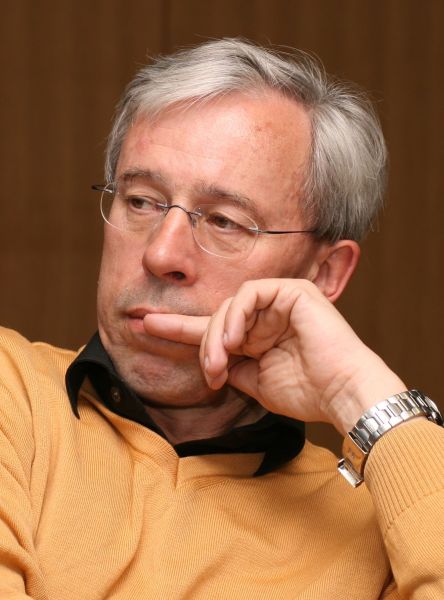
Helped establish trapped-ion quantum computing through laser cooling, a controlled quantum logic gate and deterministic entanglement, connecting precision measurement with experimental quantum information.

NIST (foundational research)

Trapped-ion physicist; 2012 Nobel laureate

Read profile
Why included? 3 sources

Wineland is included for experiments that showed quantum information could be prepared, manipulated and shared in controlled atomic systems. The 1995 gate experiment demonstrated two quantum bits encoded in one trapped atom, while the 1998 work produced entanglement between two ions on demand. These are distinct steps toward scalable processing, not merely demonstrations of unusual quantum behavior. His work also connects computing to the precision-control techniques used in atomic clocks. The contributions are attributed to their experimental teams rather than to Wineland alone.

Control & measurementFoundations
Identification checked Explore the contributions and sources

Z

1 person

Co-proposed a trapped-ion quantum-computing architecture and controllable ultracold-atom simulations, translating theoretical quantum information into physical systems that experimental laboratories could build and study.

University of Innsbruck

Professor emeritus

Read profile
Why included? 3 sources

Zoller helped bridge abstract quantum computation and concrete atomic experiments. The Cirac–Zoller proposal explained how trapped ions and laser control could implement quantum logic, while optical-lattice work showed how ultracold atoms could realize tunable many-body models. Both contributions give experiments a physical blueprint rather than only a mathematical target. His current identification is professor emeritus at Innsbruck; his inclusion is grounded in those collaborative architectures and their connection to quantum simulation and controlled quantum dynamics.

Quantum hardwareQuantum simulation

Documented work base: Austria

Identification checked Explore the contributions and sources
About these checks

Linked sources support selected statements in each profile. Research sources include papers and preprints. A source count is not a ranking or a quality score.

The identification check date relates to the recorded professional description. Individual sources have their own check dates. The fixed 2026 selection stays separate from later profile corrections.

THE EDITORIAL VIEW

Why these people.
Why this field.

Quantum computing is shaped by more than headline breakthroughs. Progress also depends on the people who establish its limits, make its systems more reliable and turn difficult ideas into tools others can use.

The QubitWire 100 recognizes contributions across that work. Each profile explains what is being recognized and connects the account to its supporting evidence.

View the permanent 2026 record