
AMD plans PsiQuantum investment as quantum partnership expands
The chipmaker’s proposed stake accompanies a broader role for its CPUs, GPUs and software. The investment amount and closing date were not disclosed.
Reading tools for text size, copying, printing and your reading list
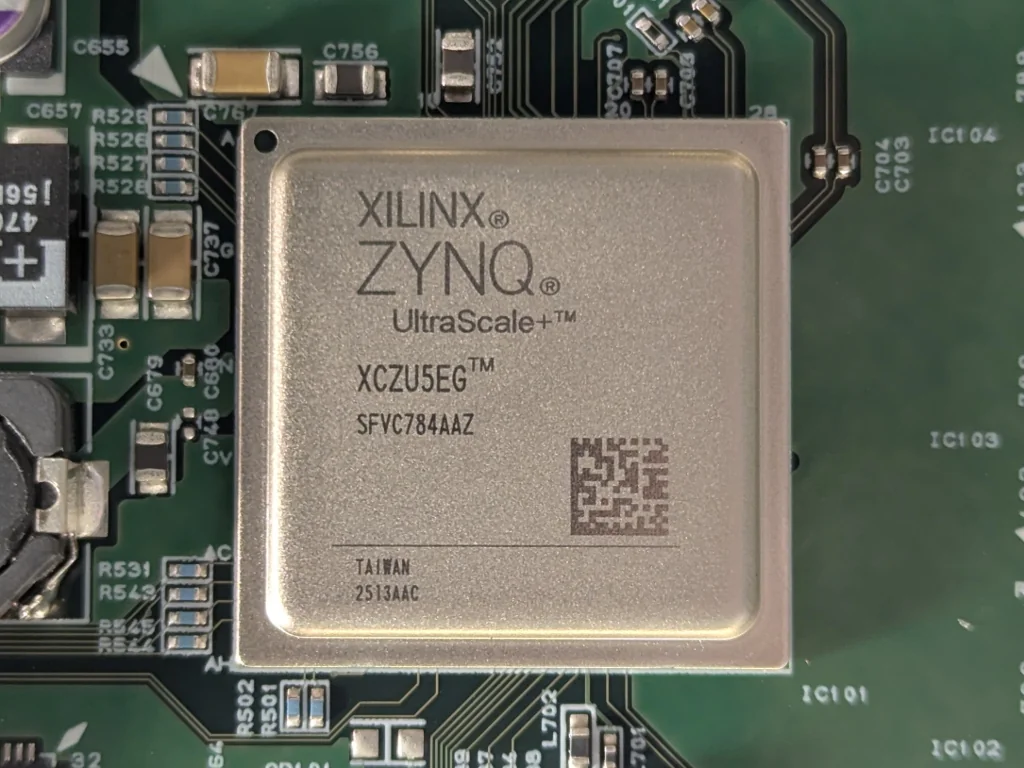
AMD plans to take an equity stake in PsiQuantum as the companies expand their work on the conventional computing infrastructure needed to operate future quantum machines, PsiQuantum announced on November 12. The announcement does not disclose the investment amount or a closing date.[1]
The partnership broadens an existing relationship around AMD’s Versal programmable chips to include EPYC central processors, Instinct graphics processors and the ROCm software platform. It is a plan for building systems, not the delivery of a commercially useful quantum computer.[1]
A quantum processor would not replace every computer in the building. Conventional machines still have to prepare jobs, coordinate equipment and interpret measurements. In an error-corrected system, they must also process repeated checks for errors quickly enough to keep the quantum calculation moving.[1][2]
That last job is already a concrete part of the relationship. As QubitWire reported in its earlier PRISM coverage, researchers from PsiQuantum and AMD designed a decoder that interprets error signals for photonic quantum computing. The published work describes a programmable-chip implementation and remaining integration work, rather than a complete fault-tolerant quantum machine.[2]
The new development is the proposed financial stake and wider computing role, not another PRISM performance result. An investment can align a chip supplier with a customer’s long-term engineering plans; it does not, by itself, establish that the planned quantum system works or that the funding has already arrived.[1]
The announcement also describes chemistry work using AMD graphics processors. That is conventional GPU computing, not evidence that a quantum computer has delivered a drug-discovery advantage. The companies did not provide enough benchmark detail in the release to make a useful performance comparison.[1]
PsiQuantum says the companies will share more about the collaboration at SC26, scheduled for November 15–20. The next useful details are the investment terms and specific system-integration milestones.[1]