Wall Street Calls Quantum a “Fire Moment.” Here’s the Reality Check.
The investment story is getting louder. Useful comparisons still start with delivered hardware, customer workloads and the limits of each result.
_installation.jpg)
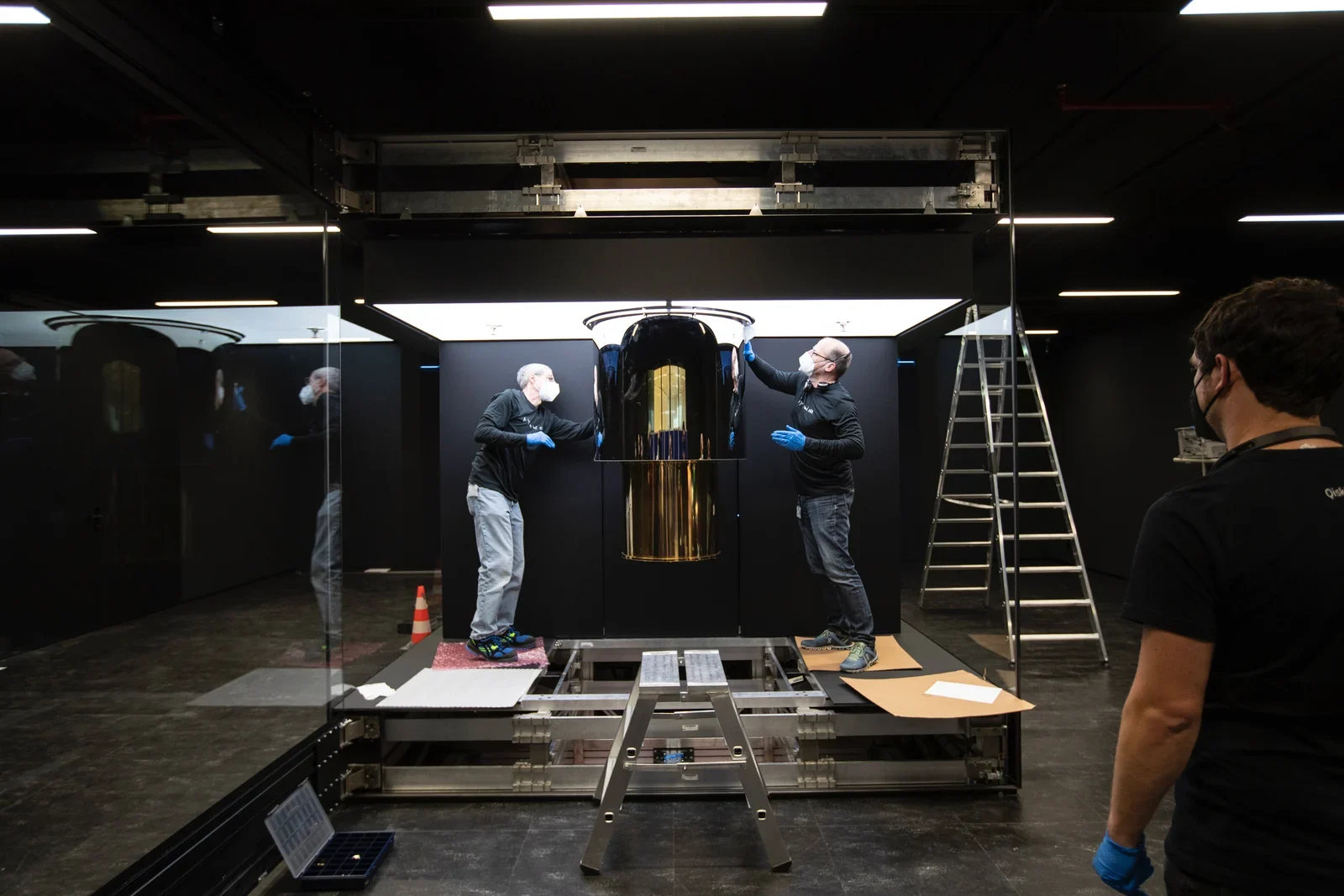
Quantum computing has become a big enough investment story to attract comparisons with the discovery of fire. Barron’s reports BofA Securities’ “fire moment” framing and an investor dictionary of quantum terms. The enthusiasm is understandable. The harder question is how closely the financial story tracks what machines can deliver.[1]
Bank of America’s own public analysis offers a useful counterweight. Its October 2025 overview said that quantum advantage on real-world problems remained a work in progress. That is an earlier assessment, not a new verdict on every 2026 experiment, but it highlights a distinction that investors still need to examine.[2]
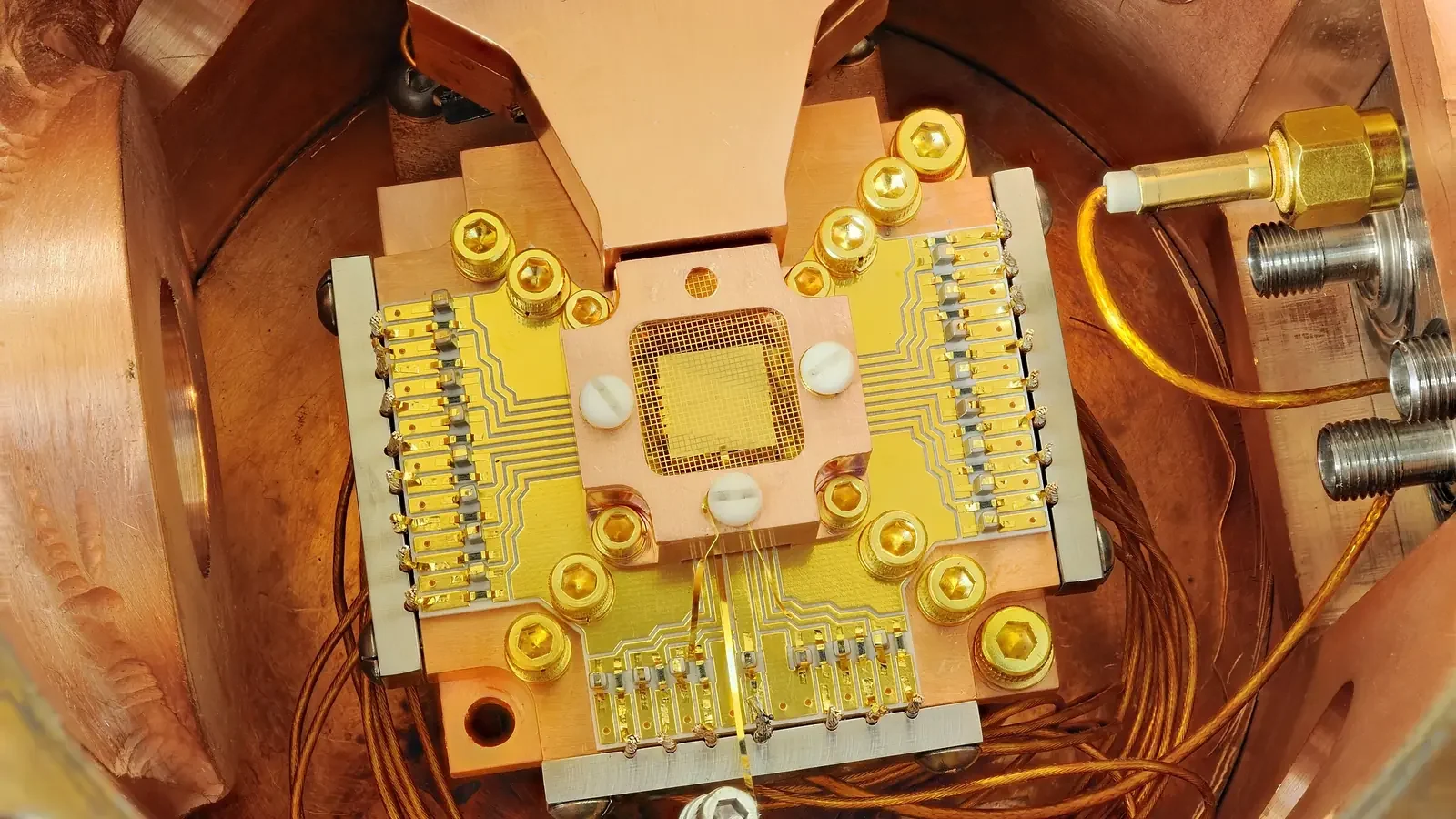
There is real technical progress. A peer-reviewed Nature paper on Quantinuum’s 98-qubit Helios processor reports demanding benchmark results and high-quality operations. Such findings matter. A specialized benchmark, however, is different from a repeatable customer workload that beats a strong classical alternative after the full cost and workflow are counted.[3]
.jpg)
The same discipline applies to company announcements. counts are not counts of protected logical qubits. A delivery target is not a shipped system, and revenue acquired with a semiconductor foundry is not automatically quantum-computing demand. These distinctions make comparisons more useful without requiring readers to dismiss the entire field.
For anyone following quantum investment, the evidence to watch is concrete: reproducible performance, progress, delivered systems, repeat customers and clear revenue definitions. Washington’s growing financial involvement adds another variable. Long-term potential and near-term uncertainty can coexist; neither a vivid metaphor nor a government award removes the need to check execution.