
Why Brazil’s Eldorado Is Buying a Five-Qubit Quantum Computer
A planned five-qubit machine in Campinas and cloud access to 54 qubits in Europe will give researchers hands-on hardware and a larger remote system.
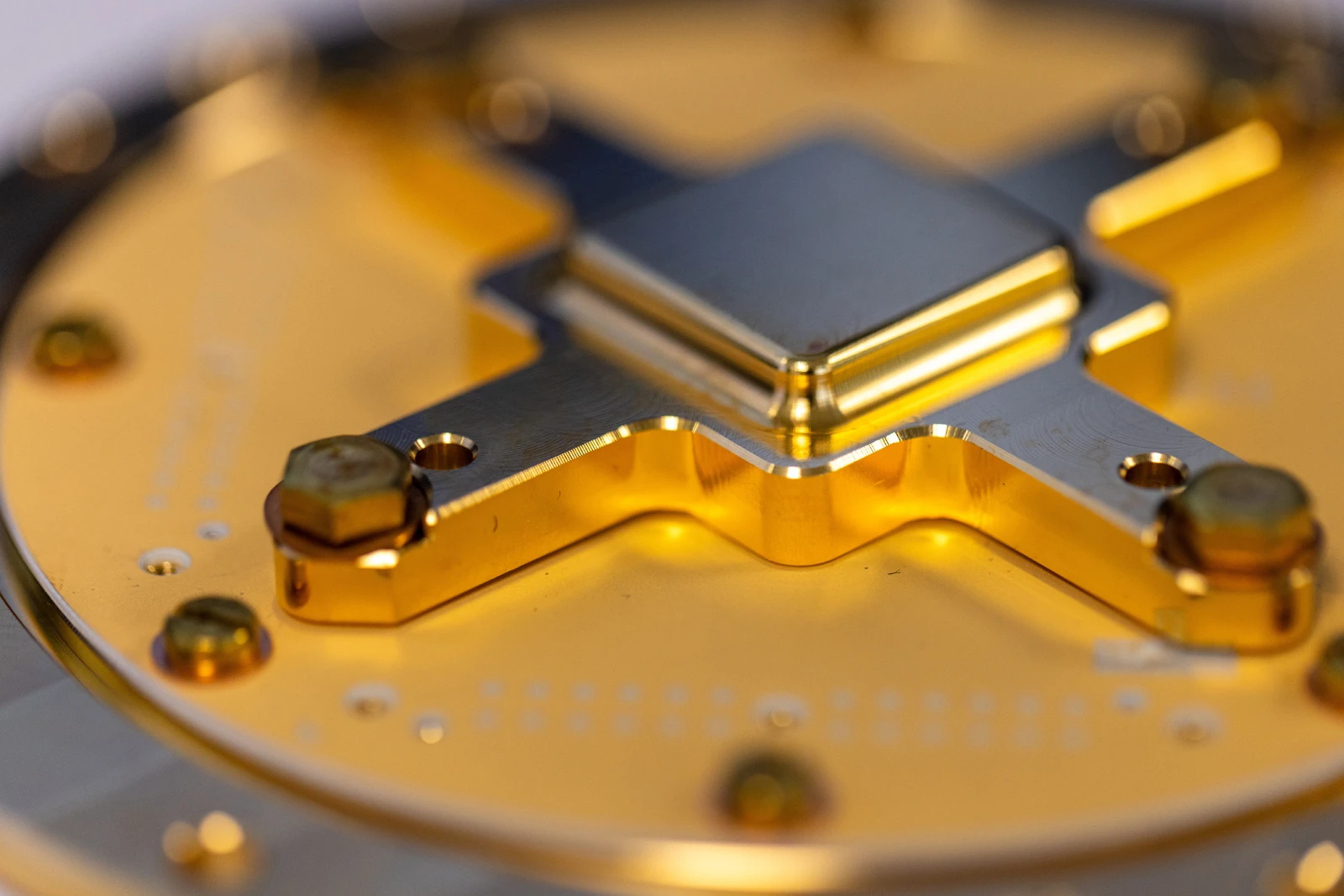
A small quantum computer can offer something valuable that a remote service cannot: the chance to work directly with the machine. That is central to IQM’s new agreement with Brazil’s Eldorado Research Institute, which combines local hardware with access to a larger processor overseas.[1][2]
Announced on September 17, the deal calls for an IQM Spark system at Eldorado’s Campinas headquarters in the first quarter of 2027. IQM describes it as the company’s first quantum-computer deployment in South America. The agreement also includes cloud access to a separate 54- system in Europe.[1]
Spark is a five-qubit machine marketed for education and research. IQM’s product material emphasizes hands-on access to the hardware, giving students and engineers a way to connect a circuit on a screen with the physical processes that execute it.[2]
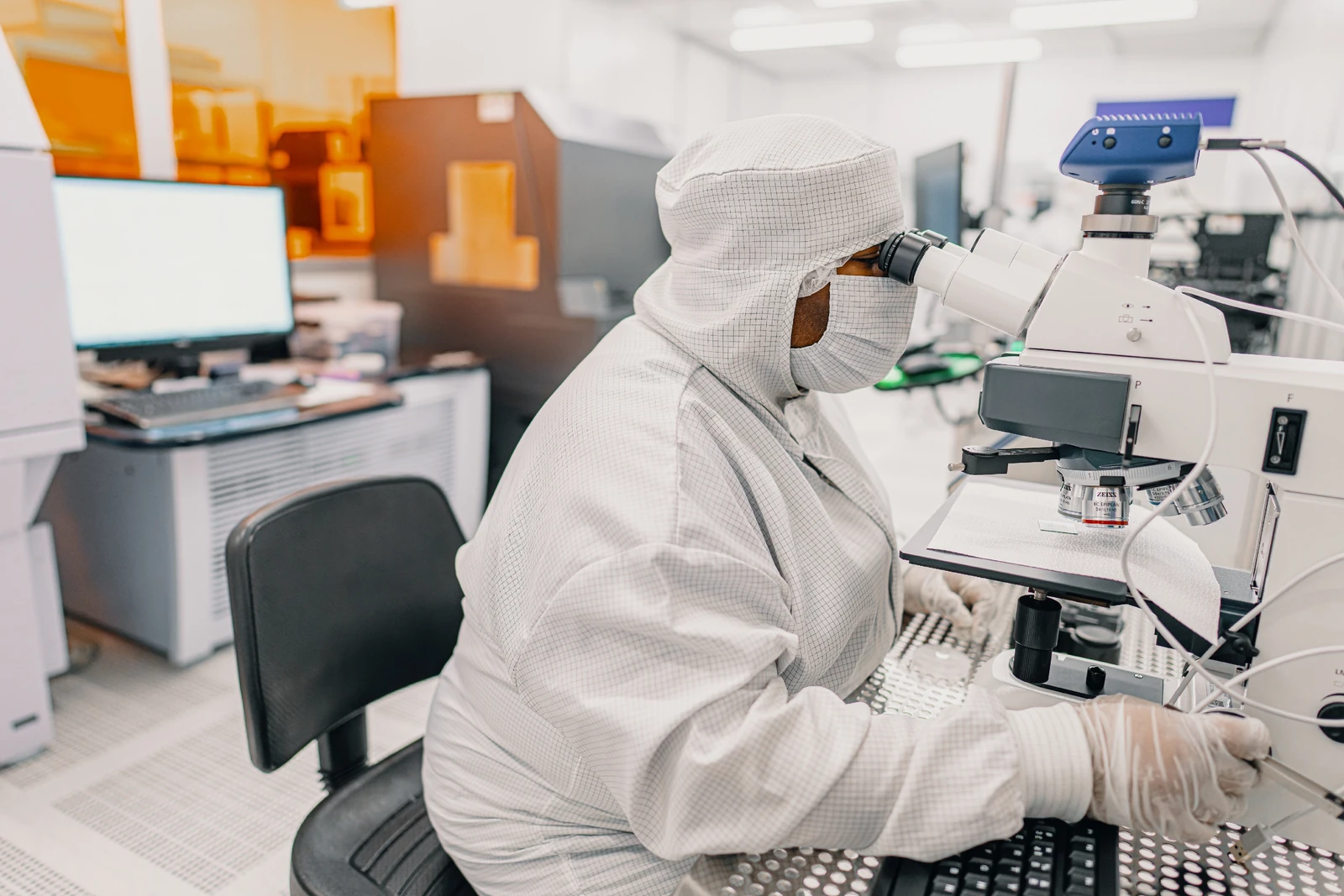
That experience can make abstract ideas concrete. Calibration affects measurement outcomes. Control pulses determine how gates behave. Noise becomes something a team can characterize through experiments. Learning to operate a device means understanding those details as well as writing the program it runs.[2]
The local and remote systems serve complementary purposes. The smaller installation supports direct hardware work, while the European machine offers a route to experiments on a larger processor without installing that system in Campinas.[1][2]
The project is still at the purchase-and-planning stage. Commissioning the local system, establishing research access and training users are the steps that will turn the agreement into an operating facility. The announced installation date remains a target.[1]
For this kind of investment, useful outcomes include experiments local teams can reproduce, skills they can develop and research they can sustain after the initial installation. Those are more informative measures of a training facility than qubit count alone.
The first evidence to watch will be a commissioned machine and work from the people using it. Brazil’s agreement is a reminder that building quantum capability also means building the expertise to operate the hardware.