
How to Inspect a Quantum Computer Without Reading Everything
Classical shadows help researchers estimate useful properties without reconstructing an entire quantum state.
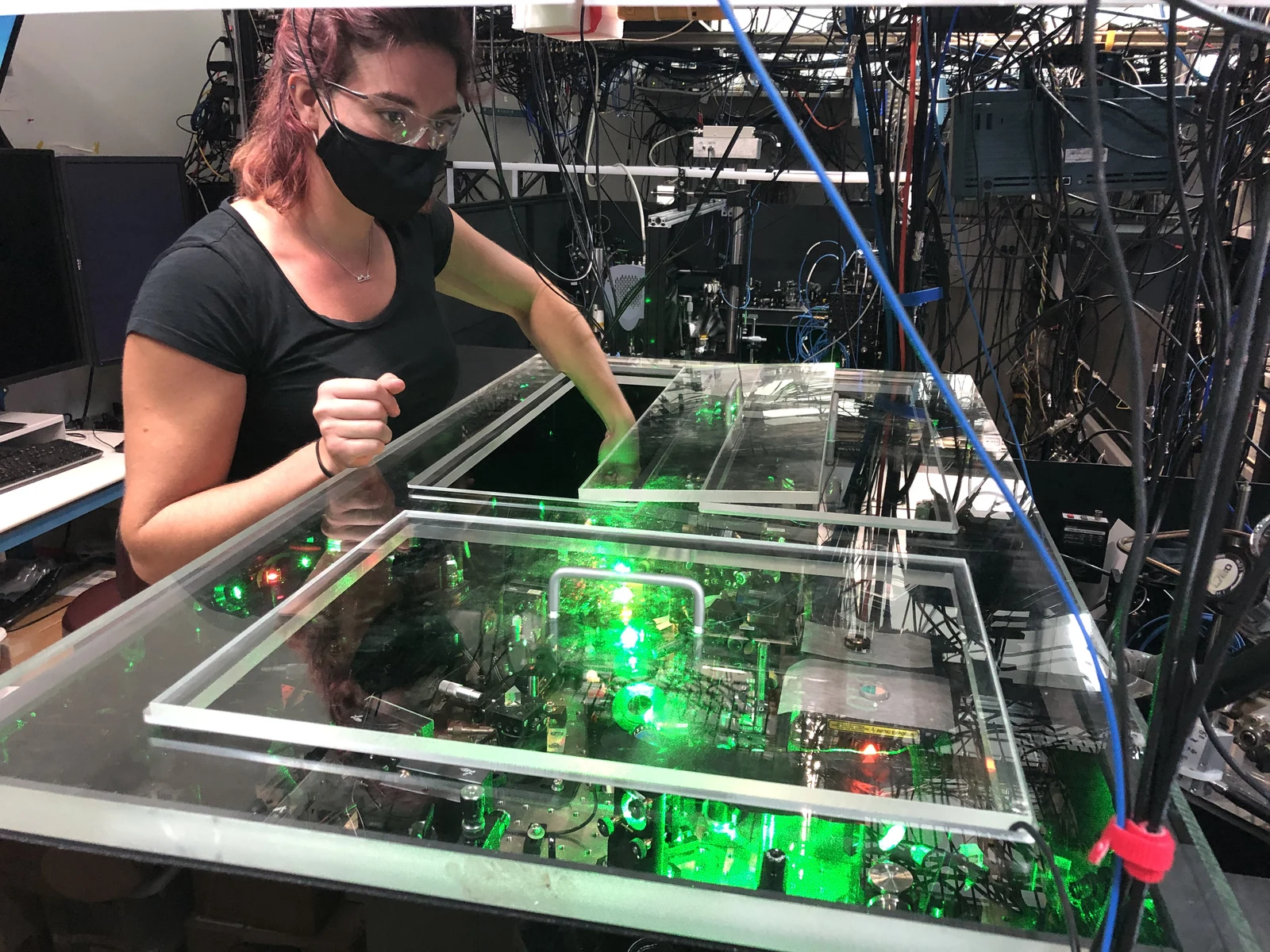
A photograph does not record every physical detail of a room. It records enough to answer many useful questions about what was there.
Classical shadows offer a different, mathematical version of that idea for quantum systems. Rather than reconstructing the complete quantum state, researchers collect measurement records that can help estimate properties they care about. The name is evocative. The method is not a way to take a literal photograph of a wavefunction.[1]
The distinction matters because describing a large quantum state in full can be an enormous task. In many experiments, however, a scientist does not need the entire description. They need answers to a particular collection of questions.
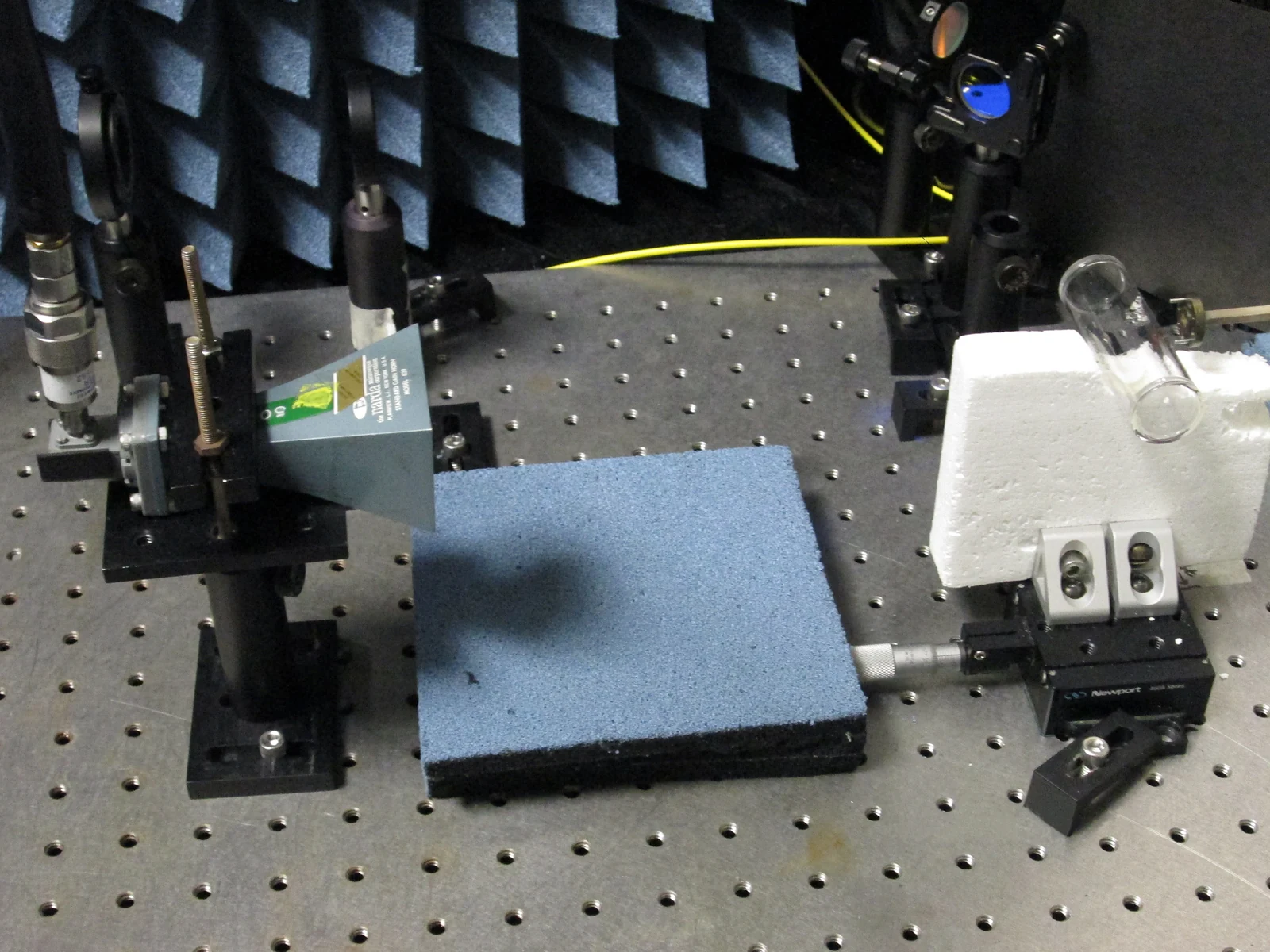
The procedure still requires physical work. Prepare the state, make a suitably chosen measurement, record the result, then repeat with fresh preparations. The resulting classical records can be processed to estimate multiple properties. It is not one miraculous measurement that reveals all the answers while leaving the original state untouched.[2]
_Laboratory_Apparatus_(14531317469).jpg)
The original classical-shadows research showed powerful guarantees for predicting many properties in appropriate settings. But the cost depends on what is being estimated, the precision required and the measurement strategy. Some questions remain expensive. Later work studying different measurement ensembles reinforces why the choice of measurement is part of the method, not a decorative detail.[1][3]
For anyone following quantum computing, the appeal is practical: useful knowledge does not always require a complete reconstruction.
Think about inspecting a new building. You might care about the room dimensions, insulation and electrical performance. Demanding a perfect description of every molecule would be an absurd way to start. The analogy is only about choosing relevant questions, but that choice is just as important when evaluating a quantum device.
The next time a result claims to extract information efficiently, ask which properties were estimated and how the measurement budget was counted. That is more revealing than the word “shadow” on its own.
Quantum computing is not only a race to build larger states. It is also a search for smarter ways to learn something useful from them.