
Quantum chips need a factory, too. Copenhagen has a plan
A planned Danish foundry would give quantum-hardware teams another place to manufacture their chips.
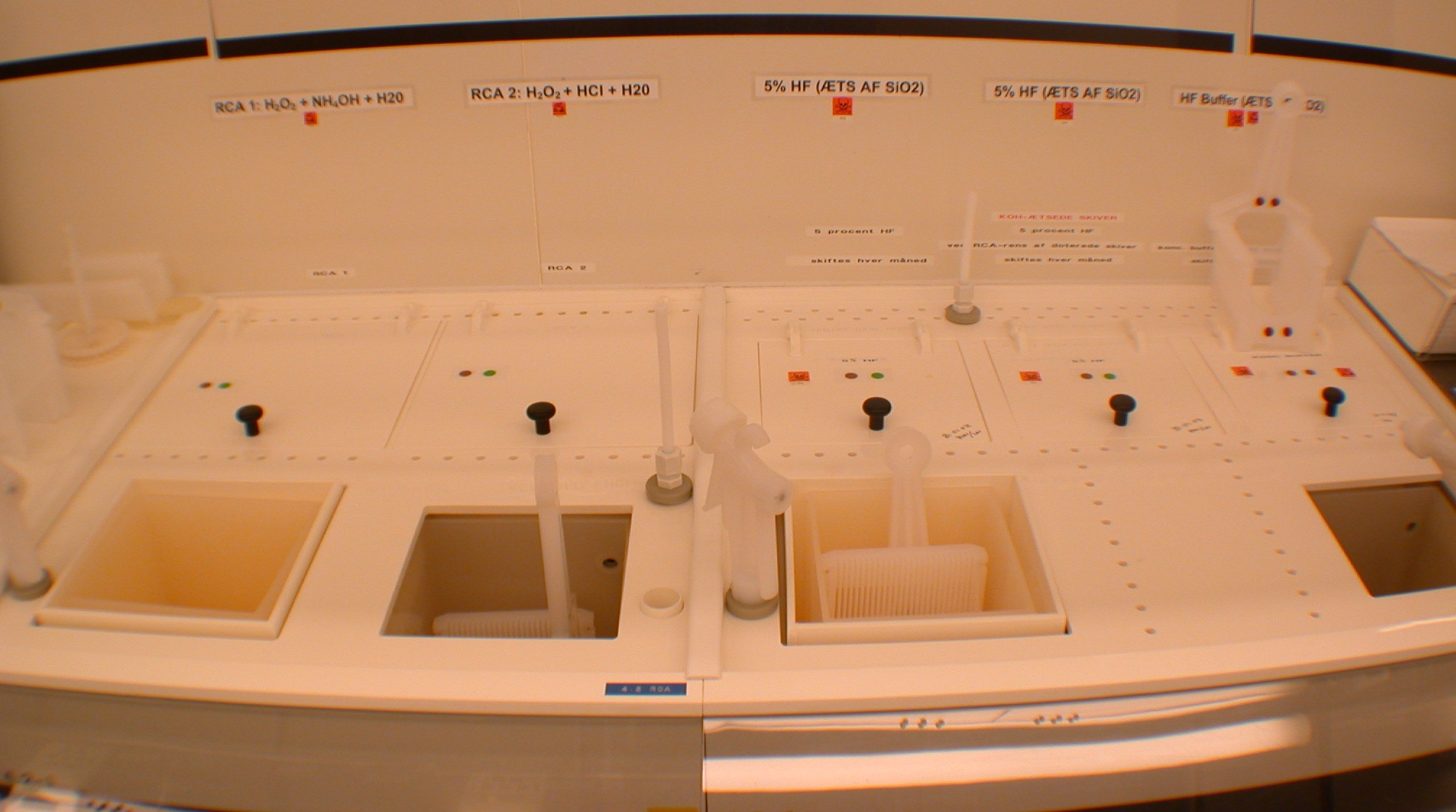

A clever quantum-chip design still needs somewhere to become a real device. Copenhagen’s latest quantum announcement is about that less glamorous step: building the place that makes the chips. On September 4, Quantum Foundry Copenhagen and the Novo Nordisk Foundation announced plans for a 5,300-square-metre fabrication facility, expected to open in 2027. The foundation-owned company intends to sell wafer-fabrication services to quantum-technology vendors worldwide.
Think of a foundry as a specialist manufacturing partner, not a quantum computer you log into. The planned operation brings together nanofabrication, materials characterisation, testing, assembly and packaging. For a hardware team, the appeal is practical: a potential route from carefully prepared materials to a finished device, with the manufacturing steps connected.
That is the promise, not a measured result. The announcement does not give production yields, customer prices or a error target. A larger cleanroom is not, by itself, evidence of a better quantum computer. The next useful details are which processes customers can actually order and when equipment is commissioned. Those will tell chip designers whether Copenhagen offers a manufacturing route they can use—not just another ambitious building.