
LG CNS and D-Wave aim to move quantum optimization from trials into business systems
A non-binding MOU pairs quantum annealing with enterprise integration. The commercial question is whether the complete workflow helps a customer.
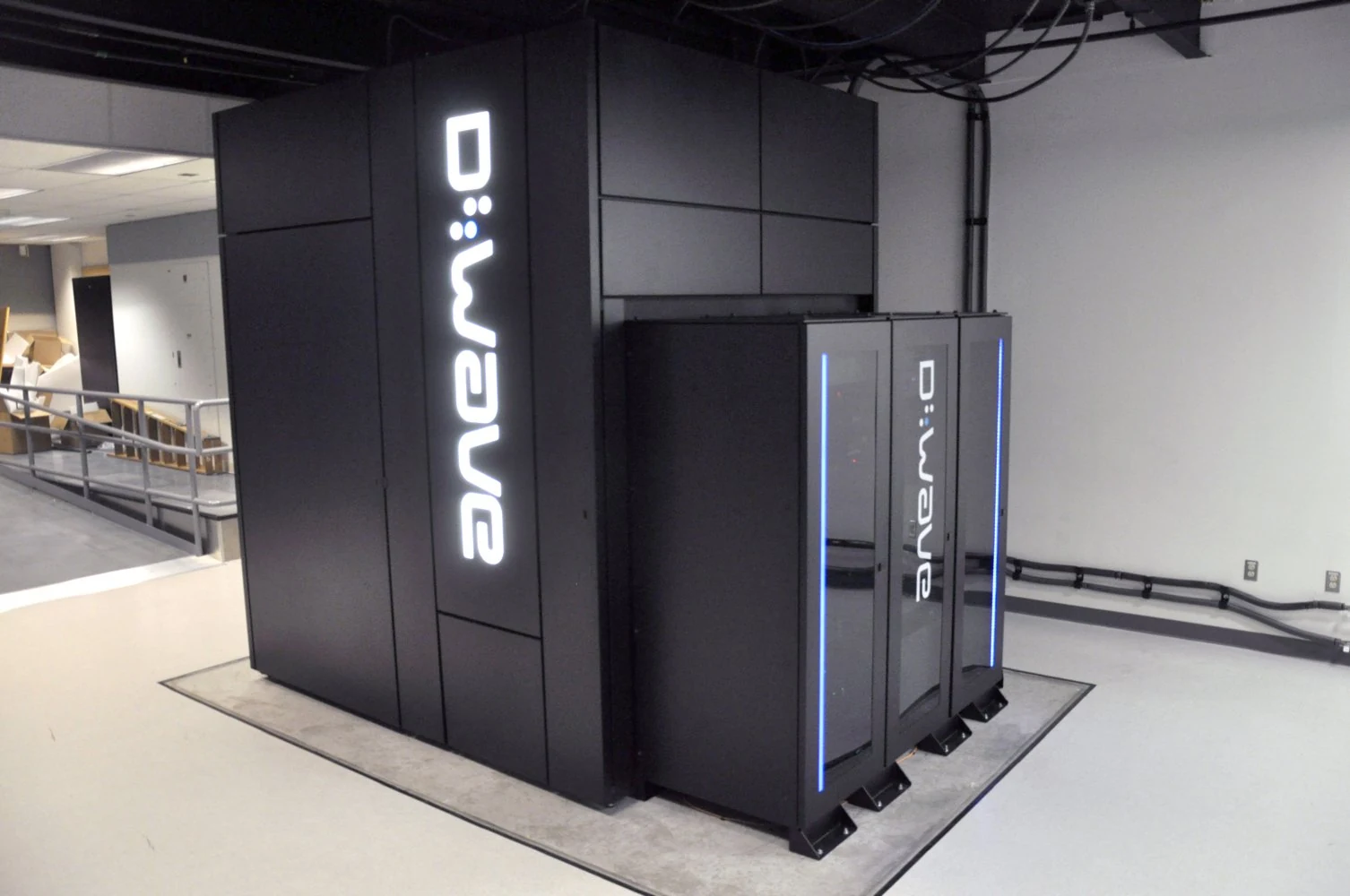

D-Wave and LG CNS announced a non-binding memorandum of understanding on October 28 in Seoul to pursue enterprise quantum optimization. The proposed partnership combines D-Wave's annealing technology with LG CNS's experience implementing business systems, with South Korea a central market.[1]
The release assigns LG CNS work spanning problem definition, mathematical modeling, algorithm validation and implementation. The companies also intend joint marketing and sales activity, naming manufacturing, telecommunications, finance and retail as target sectors. It does not identify a newly delivered customer system or disclose the agreement's value.[1]
The distinction between a promising calculation and a usable planning tool is the most interesting part of this announcement. Our assessment is that the integrator's contribution will be tested in the surrounding workflow: obtaining usable inputs, keeping business rules intact and returning a decision that someone can act on.
Consider a hypothetical factory rescheduling work after a machine fails. A proposed schedule must respect the remaining equipment, available workers and delivery commitments. A shorter calculation is helpful only if the input data arrived in time and the recommended changes can actually be applied. This example illustrates the problem; it is not an announced customer project.
A useful comparison would run the same changing workload through the customer's established planning method and the proposed service. Both would receive the same constraints and decision deadline. The comparison should record feasible schedules, the chosen business objective and the total expense of obtaining and deploying each answer.
That also creates a test for the integration itself. If a new system produces a better schedule but requires hours of manual preparation, the business can see the tradeoff. If it reacts reliably to changed inputs, that operational result can be assessed separately from the performance of any single computing step.
For readers following commercial adoption, the next milestone is therefore a defined customer workflow with measured results. The MOU sets up a possible route to that evidence. A named implementation would let the industry evaluate what the two partners have built together.