
Fujitsu Is Testing Quantum Software on Atoms Held by Light
A new hardware test asks whether a different kind of quantum computer can benefit from the same software ideas.
_2.jpg)
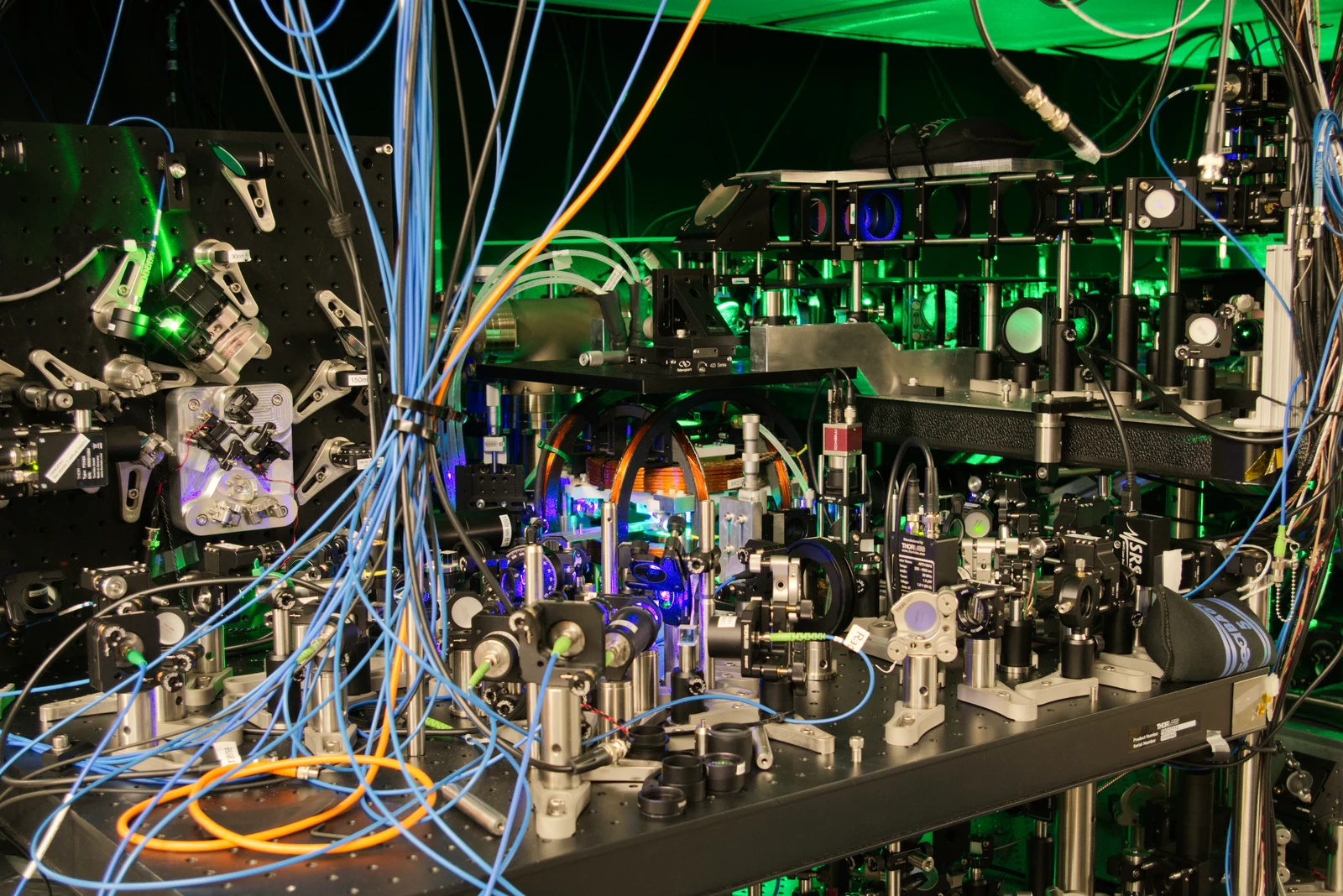
A quantum computer does not have to be a chip full of tiny electrical circuits. Another approach starts with individual atoms, held and controlled using light.[1]
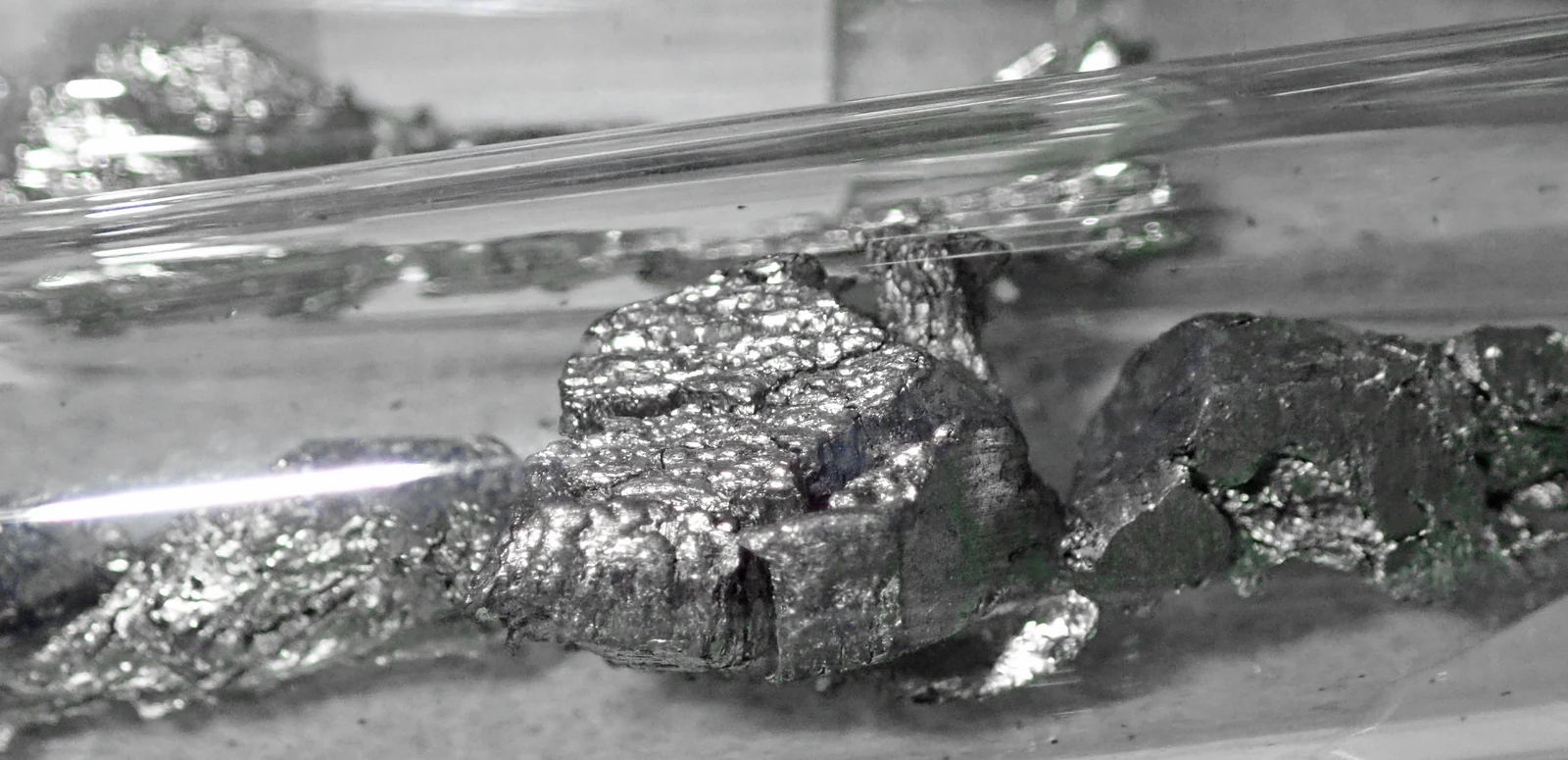
Fujitsu and Japanese startup Yaqumo announced on September 9 that they are testing quantum architecture and operating software on actual neutral-atom hardware. The machine tests began in August, following earlier theoretical work. Yaqumo’s approach uses ytterbium atoms.[1][3]
Different hardware, a familiar problem
The question is not simply whether atoms can act as . It is whether the software around them can make the machine easier to operate—and help useful calculations fit within demanding hardware limits.
Part of the effort involves OQTOPUS, an open-source software stack that handles practical jobs such as managing requests, translating programs and coordinating calibration. Those are the less photogenic parts of quantum computing, but they are the difference between an isolated experiment and a system other people can use.[2]
A test, not a victory lap
The announcement concerns verification, not proof that this system has beaten a conventional computer. Transferring an idea between hardware types is not the same as showing that every benefit survives the move.[1]
That is what makes the project worth watching. A field with several competing kinds of quantum hardware needs ways to compare them without rewriting everything from scratch. The atoms make the photograph interesting. Whether different machines can share useful software may be the bigger story.