
IBM, NVIDIA and Fermilab plan a platform for modular quantum computing
The partners aim to study quantum processors and conventional computing together, rather than announce a finished fault-tolerant machine.
Reading tools for text size, copying, printing and your reading list
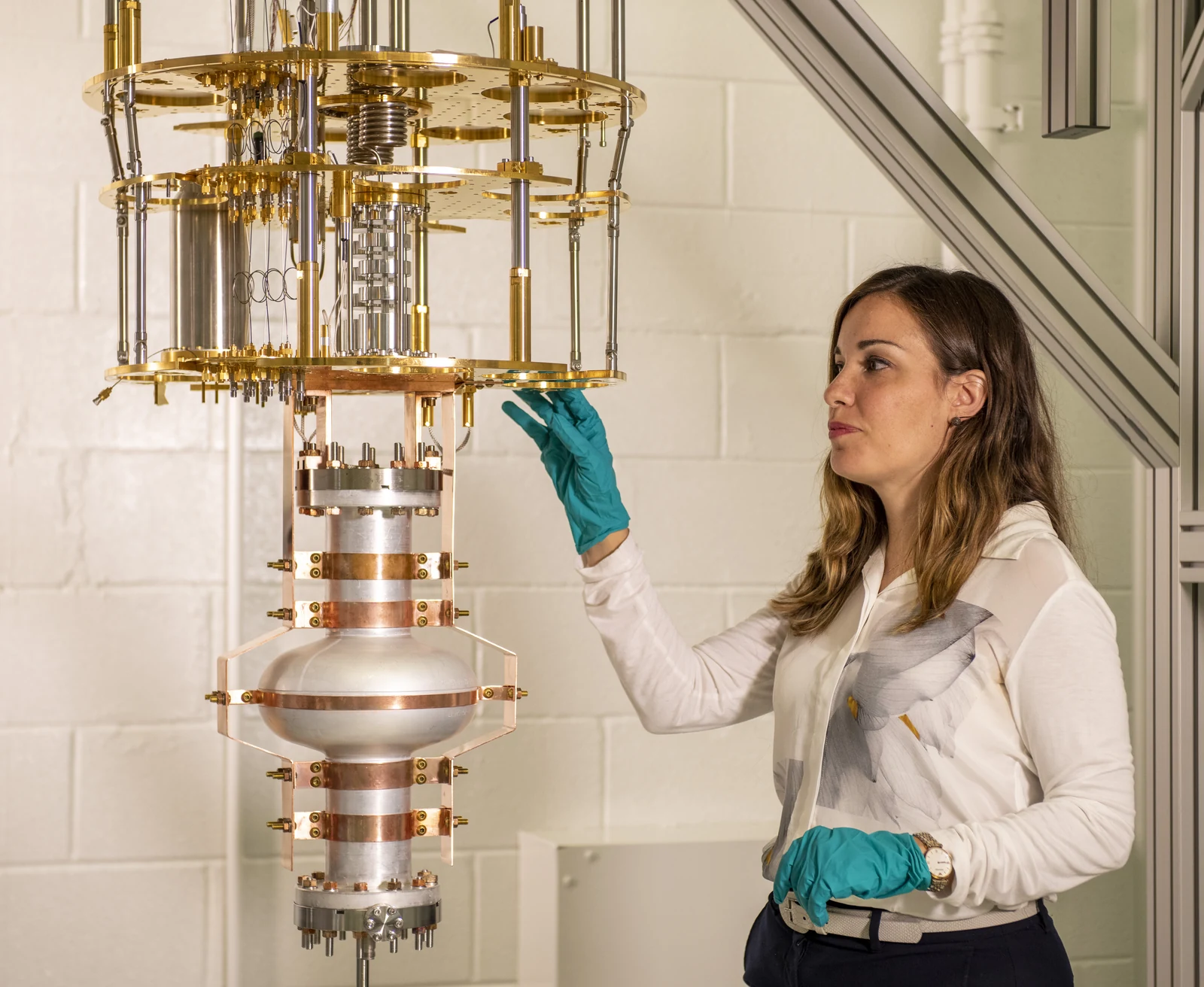
IBM, NVIDIA and Fermilab announced plans on November 16 for a research platform that brings quantum processors and powerful conventional computers into the same design effort. The aim is to explore how those parts should work together as quantum systems become larger and more interconnected.[1][2]
IBM says the proposed platform would place NVIDIA DGX B200 systems alongside IBM quantum computers, including systems using its Nighthawk processor. NVIDIA describes the quantum hardware as being at IBM facilities. Fermilab would contribute scientific expertise and the capabilities of its Superconducting Quantum Materials and Systems Center.[1][2]
The connection matters because a quantum processor is not a stand-alone replacement for an ordinary computer. Classical computing supports the surrounding work, including studying errors and coordinating calculations. Designing the pieces together lets researchers examine how demands on one part change what the others must deliver.[2]
The partners plan to investigate modular architectures and demanding problems in high-energy and nuclear physics. IBM names neutrino interactions and nuclear simulations among the research interests. These are directions for the work, not applications the proposed platform has already solved. Fermilab says researchers would initially model and emulate links between quantum modules, with its superconducting cavity hardware intended for a later phase.[1][3]
The announcement does not establish a completed fault-tolerant computer or a demonstrated advantage over classical methods. It outlines a collaboration intended to help develop those future capabilities. The useful next evidence will be what researchers can actually run, how reliably it works and the resources the complete workflow requires.[1][2]