
Quantum vs. AI: What IBM’s New Theory Actually Shows
A mathematical comparison reveals advantages for quantum circuits on specific tasks, with the language-model architectures and resource limits carefully defined.
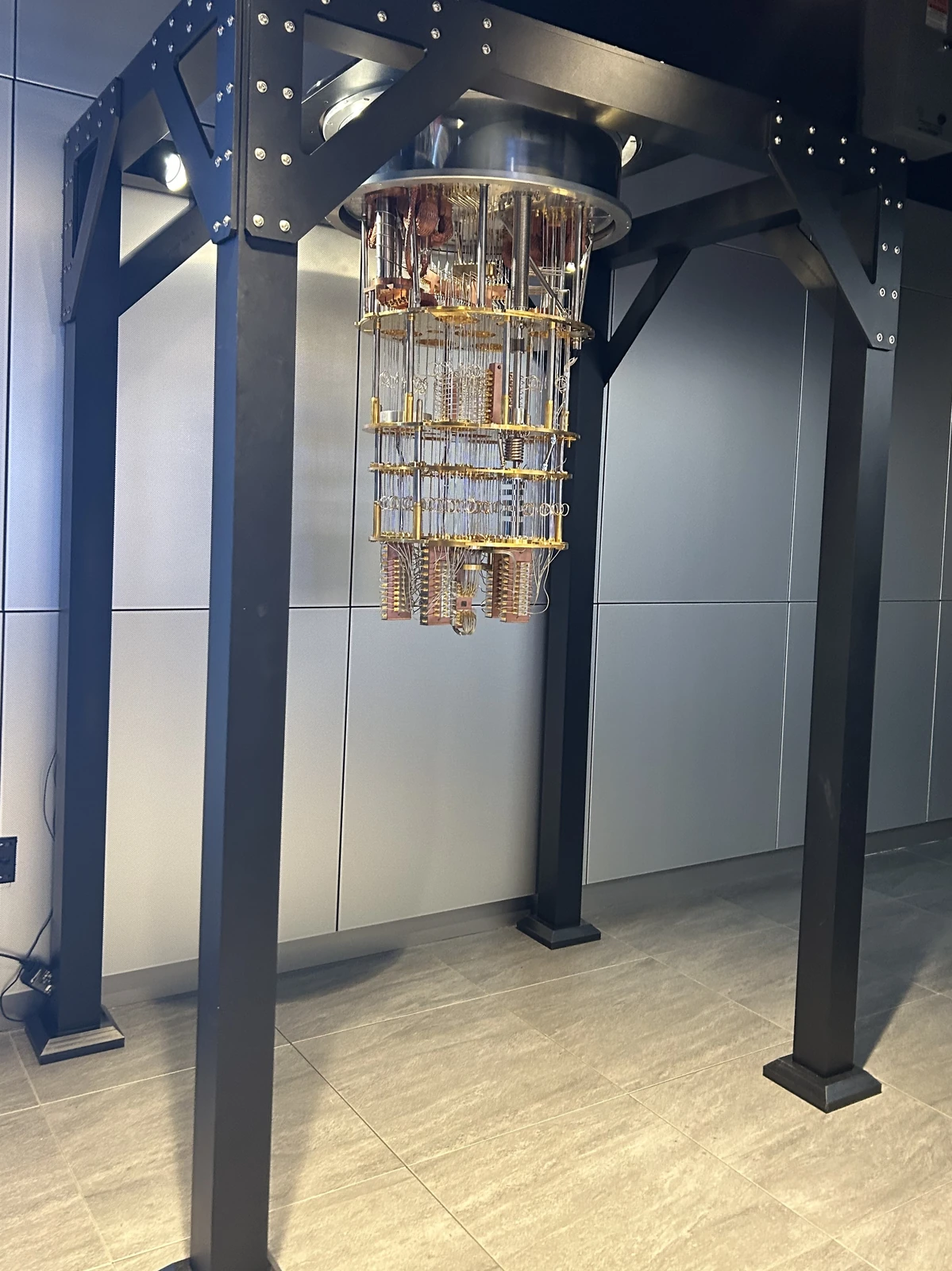

IBM researchers have identified tasks that expose a mathematical gap between quantum circuits and particular language-model architectures. The result is a way to understand what different computing models can do when each has a defined allowance of resources.[1][2]
The work compares shallow quantum circuits with restricted classical models of language computation. “Shallow” refers to the number of successive layers of operations. By limiting resources on each side, the researchers can prove that certain tasks separate the models instead of relying on a benchmark from a particular machine.[1][2]
One comparison concerns following a chain of references. Another concerns generating outputs with a specified probability pattern. These are deliberately constructed computational tasks. Their value lies in showing how the architecture and its resource limits affect what can be computed.[1][2]
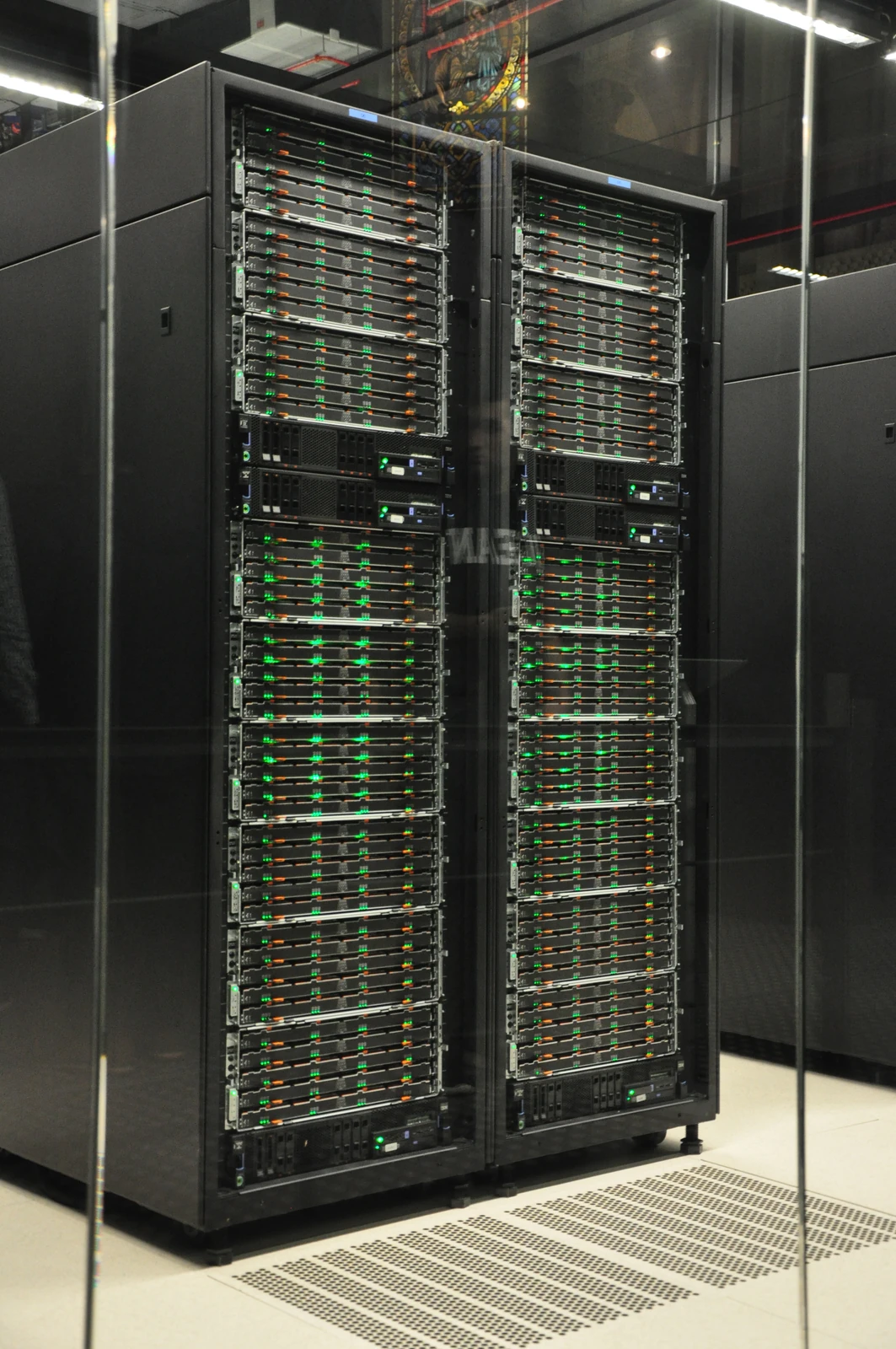

The two results use different quantum circuits. In the sampling comparison, circuit depth stays fixed as the input grows. In the other comparison, depth increases extremely slowly with input size, and a final classical AND operation combines the result. Keeping those cases separate preserves what the paper actually proves.[2]
The bounds also define the result’s reach. A limitation of one language-model architecture does not apply automatically to every classical algorithm. Changing the available memory, computation or architecture changes the comparison.[1][2]
IBM says the work does not identify the practical crossover point at which a quantum machine would outperform the studied models. The paper is an August preprint, explained by IBM in September, rather than a hardware demonstration or a commercial chatbot benchmark.[1][2]
For readers following quantum and AI, three questions make the finding easier to assess: what task is being solved, which resources are counted and which restrictions must each model obey?
That framework is useful beyond this paper. It separates a new computational possibility from the engineering needed to realize it. Future experiments would have to translate the mathematical advantage into a complete workload and account for the cost of running the quantum hardware.