
A Seoul AI data center is buying its own quantum computer
South Korea’s QAI has ordered a 54-qubit IQM Radiance in a deal worth €8 million to €10 million. The machine is due by the end of 2027, and QAI plans to offer remote access.
Reading tools for text size, copying, printing and your reading list
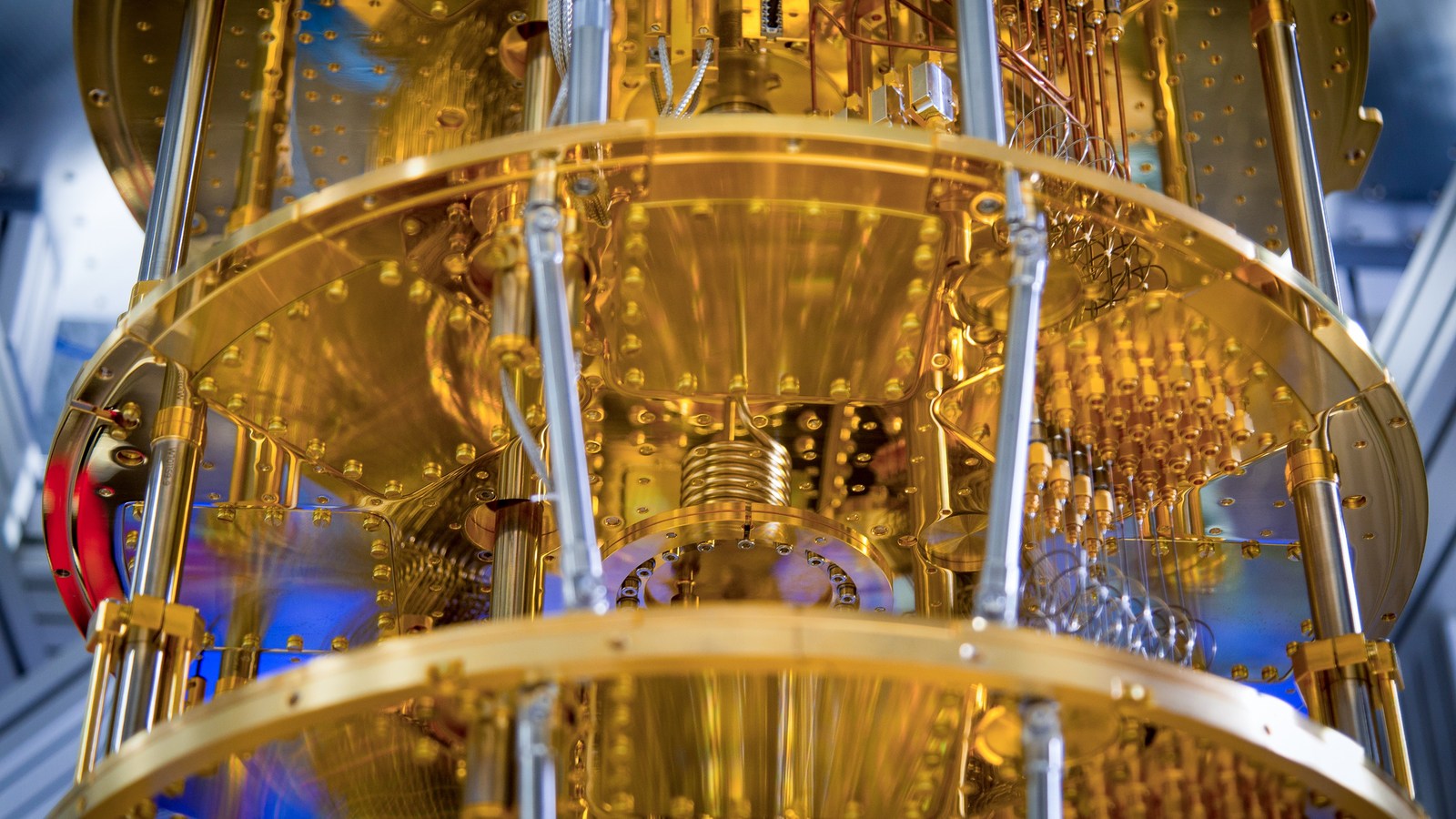
A company building AI infrastructure in South Korea wants to give its customers access to a different kind of processor: a quantum computer housed in its own Seoul data center. Finland’s IQM said on November 25 that QAI ordered a 54- Radiance R3 and associated services for €8 million to €10 million. The machine is expected to be delivered and installed by the end of 2027. It is an order, not a system that customers can use today.[1][2]
QAI plans to sell remote access once the machine is running. That means a researcher could submit a job without buying a quantum computer, even though QAI itself has chosen to buy and house one. IQM called the project its first planned installation at a private data center in Asia. It is not the company's first sale in South Korea: Chungbuk National University previously bought a smaller IQM Spark system.[2][3]
What goes in the data center
The Radiance uses superconducting circuits, which need deep refrigeration to operate. The 54 qubits are physical components on a chip, not 54 error-corrected qubits. The number tells buyers roughly how much hardware they have to work with, but it doesn't by itself show how long a computation can run before errors pile up, or which research jobs the machine can do better than ordinary computers.[1][4]
For a data center operator, the point of putting the machine near GPU servers is that one research job can use both. Classical processors can prepare an experiment, send a small calculation to the quantum machine and process the measurements it returns. QAI's partner announcement describes that intended workflow, but gives no results for jobs running in Seoul today. IQM already has a 54-qubit Radiance at CINECA in Italy, where it is being integrated with the Leonardo supercomputer. The change in Seoul is the customer and the commercial access plan, not a new chip record.[2][4][5]
Owning the machine changes who has to keep it running. A quantum processor needs its own cooling, controls and calibration even if users only see it as another option on a cloud dashboard. The two announcements do not specify how QAI will divide that work with IQM.[1][2][4]
What the price does and doesn’t tell us
The €8–10 million figure covers the system and services together. The public filing does not split the hardware price from service fees, and IQM expects to recognize the revenue in 2027. It does not give customer rates, availability dates or a minimum amount of time customers can buy. Those details will matter more to someone deciding whether to move a workload than the number of qubits on the brochure.[1][2]
The next milestone is installation. After that, the useful test will be whether people outside QAI can run repeatable experiments, see how much time their jobs take and compare those results with a conventional system. The order makes that test possible in Seoul. It does not settle how it will turn out.[1][2]