
Qblox reports microsecond GPU control links, with different timings for Blackwell and DGX Spark
Qblox reports round trips below 4.0 microseconds for RTX PRO 6000 Blackwell and below 7.2 microseconds for DGX Spark.
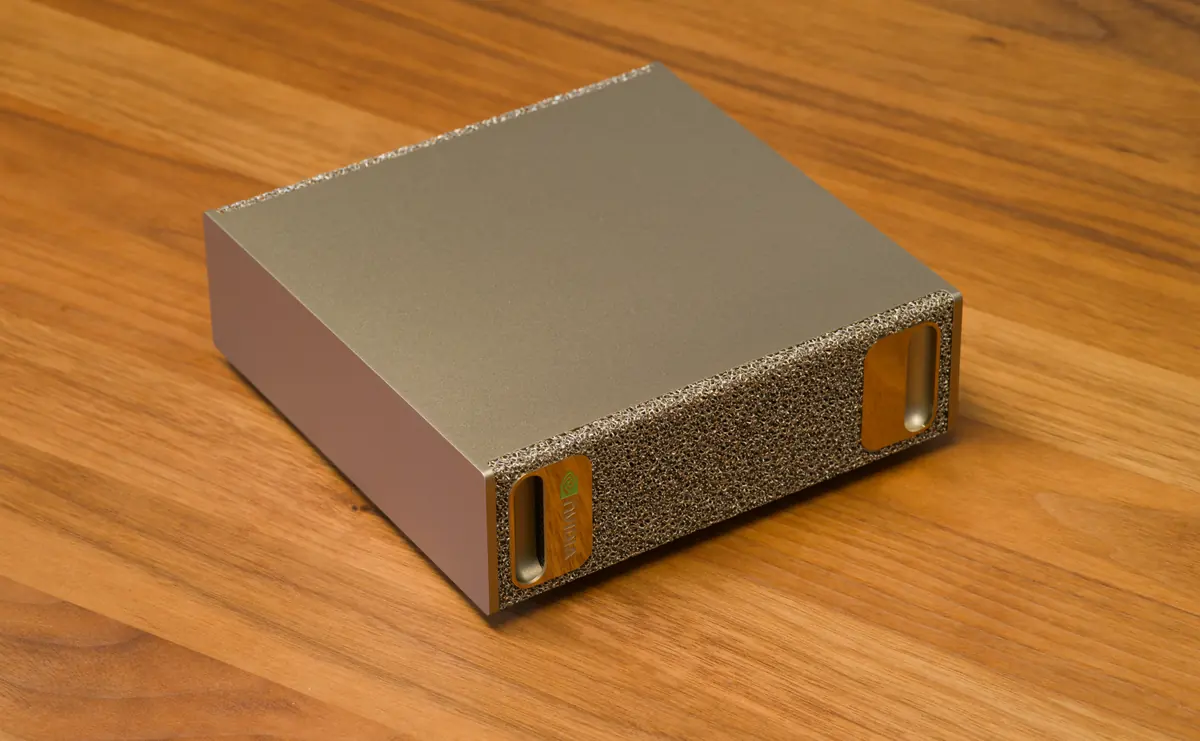

Qblox reported controller-to-GPU round trips below 4.0 microseconds with NVIDIA RTX PRO 6000 Blackwell and below 7.2 microseconds with NVIDIA DGX Spark in an October 22 announcement. The company describes an NVQLink integration connecting its quantum-control system with GPU computing.[1]
The faster figure belongs to the RTX PRO 6000 configuration. Qblox presents the integration as infrastructure for hybrid workflows, including calibration and applications. The announcement does not supply a measured logical-error suppression result for the complete system.
What the timing can tell a user
A communication benchmark is useful when its boundaries match the job a researcher needs to do. The practical assessment would start with where the timer starts and stops, what information crosses the connection and what computation happens before the answer returns. Two systems can report the same unit while measuring different amounts of work.
For a deadline-sensitive workflow, consistency would matter alongside speed. A user would want to see how timing varies under sustained workload and how often the complete process misses its deadline. A favorable round trip could improve one stage while leaving another stage responsible for most of the total delay.
There is a second test: what does the returned answer accomplish? A fast response becomes valuable when it helps produce a useful experimental outcome. Connecting those two measurements would let users judge whether the integration fits their intended task.
QubitWire’s assessment is that these measurements make the control connection more concrete. Reproducible configurations, workload definitions and timing distributions would make the next update substantially more informative, especially for users comparing a desktop arrangement with a larger installation.