
QSolid opens access to 10-qubit hardware as a 30-qubit system enters testing
Germany’s QSolid consortium reports a tested 10-qubit system available to users, with a larger prototype still under evaluation.
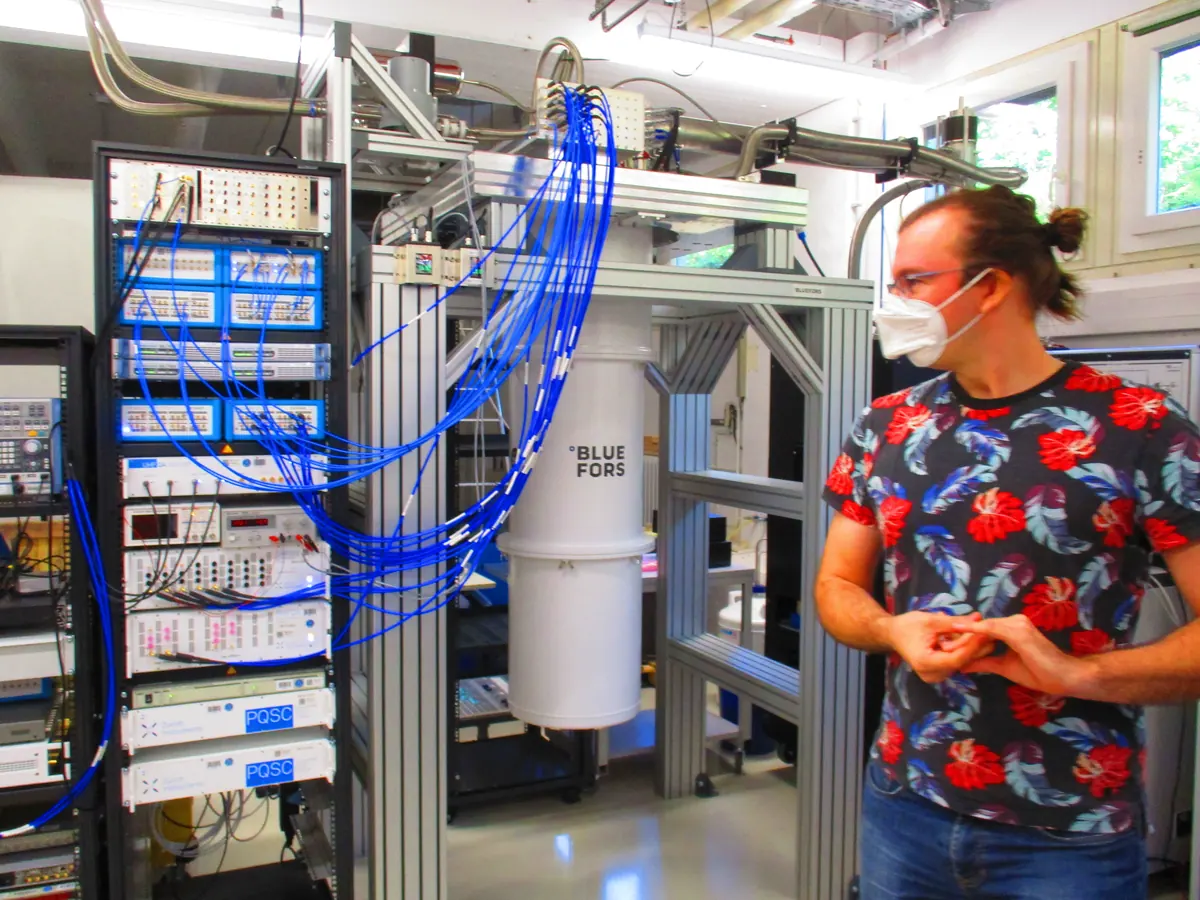

QSolid says its 10-qubit quantum computer has been tested and made accessible to users, while a 30-qubit system is undergoing tests. The consortium published the update on October 23 ahead of its October 27–29 closing event in Jülich. The announcement does not describe the larger machine as generally available.[1]
The project brings together 26 research institutions and companies. Its update emphasizes the integration of German hardware and software contributions into working systems. The reported qubit counts describe physical hardware, rather than an announced collection of error-corrected .
Why access changes the question
For someone choosing a machine for an experiment, availability makes the assessment more practical. The question becomes which task can run, under which conditions, and what information accompanies the result. A smaller system with useful documentation could serve a particular experiment better than a larger prototype with uncertain access. That would be a decision about the experiment, rather than a universal hardware ranking.
Integration also deserves its own measure of progress. A component demonstration leaves open how that component behaves alongside control electronics, software and other hardware. A complete platform makes those interfaces available for investigation. The most informative follow-up would explain what an outside user can reproduce and how the system’s configuration is recorded.
QubitWire’s assessment is that the user-access milestone is the strongest part of this update. The next evidence to watch is the larger system’s acceptance criteria, the outcome of its tests and a clear account of access conditions. Those details would show how much of the prototype work has become a repeatable service.