
Quantum-network study works around mismatched memories
In a simulated link, choosing where to put each memory and how often its light source emits photon pairs helped compensate for differences between devices.
Reading tools for text size, copying, printing and your reading list
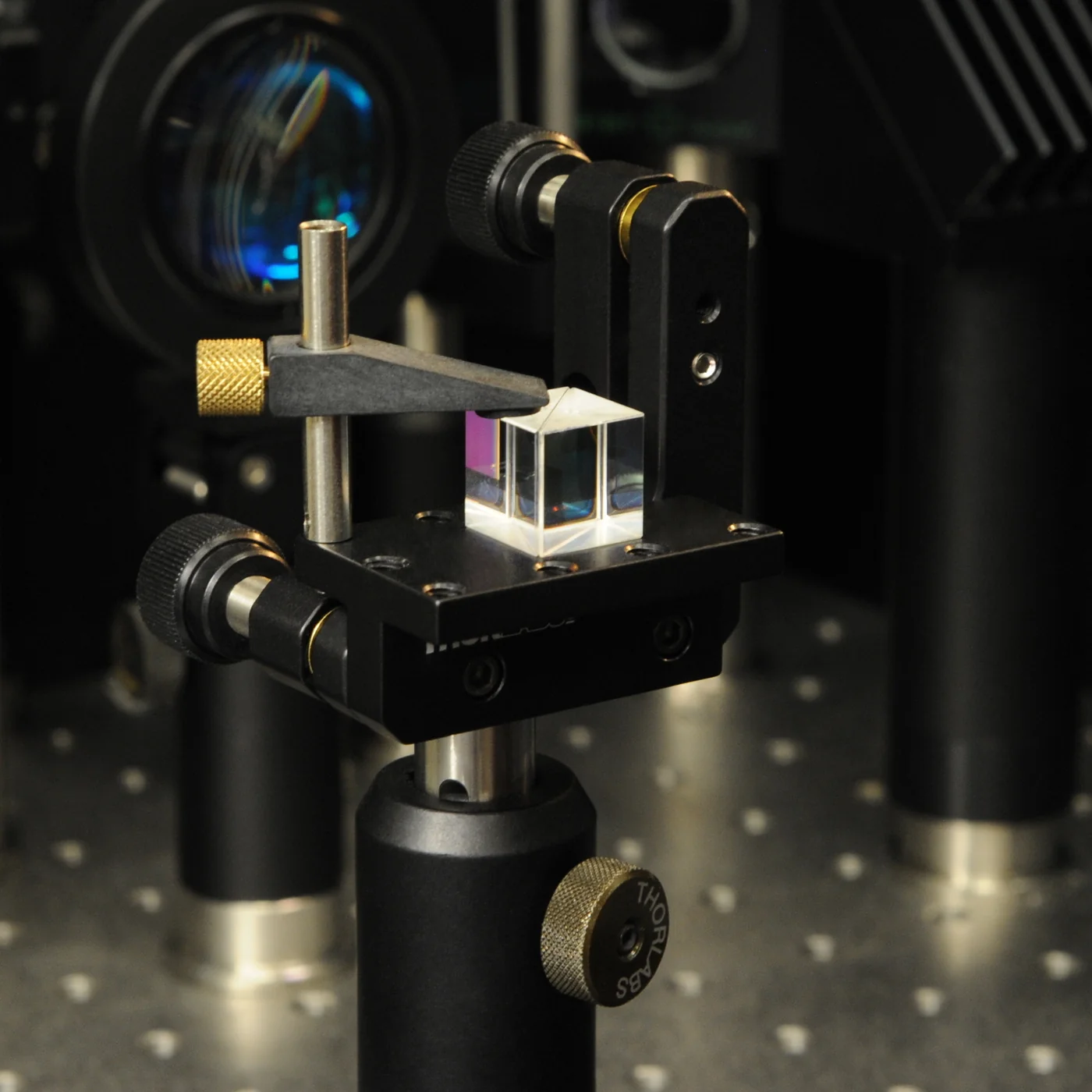
A quantum network can use memories to hold quantum states while neighboring links get ready. If some memories lose more light than others, it can take longer to link the two ends, and the shared state can be less faithful to the intended one.[1]
The researchers simulated a short network in which each memory has a source of photon pairs. They changed which memories sat at each station and adjusted how often each source emitted a pair. Both choices helped limit the cost of uneven memory performance, including when stored signals weakened over time.[1]
The study tested one protocol with one intermediate station. Whether the same placement and tuning choices help over longer chains is an open question.[1]