
A Tiny Silicon Chip Is Learning to Control Quantum Light
A newly published photonics result puts several essential functions together. That is different from fitting an entire quantum computer on a chip.
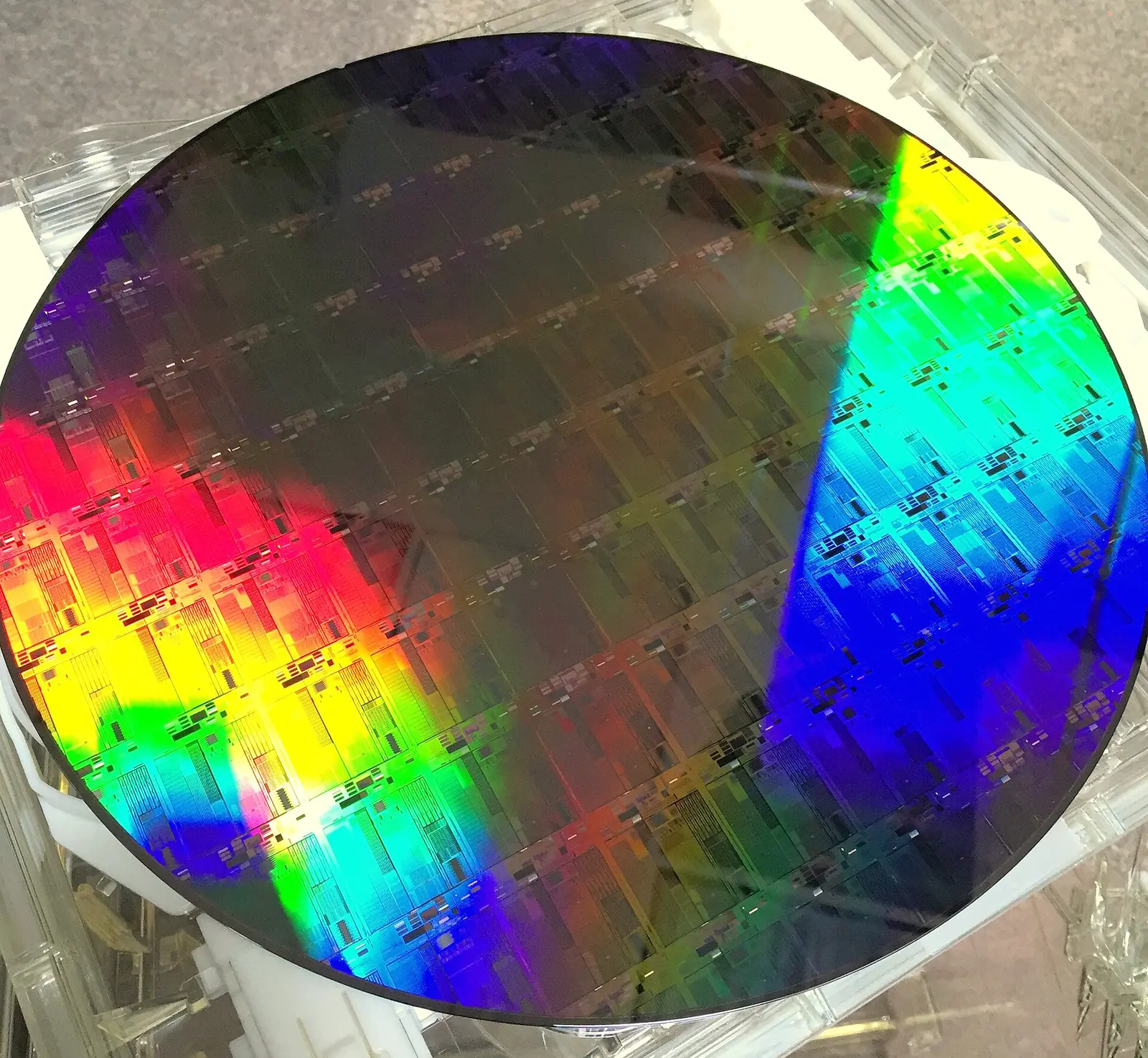

A quantum technology story can begin with an unglamorous question: how many separate components can you stop wiring together? Research published in Nature Communications on September 15 tackles that problem for quantum information carried by light.[1][2]
The team integrated the generation and manipulation of frequency-encoded quantum light on a silicon chip. The open manuscript describes a device measuring 4 by 7 millimeters, bringing a photon-pair source, filtering, modulation and spectral control onto the same platform. The achievement is integration, not a stand-alone universal quantum computer.[1][2]
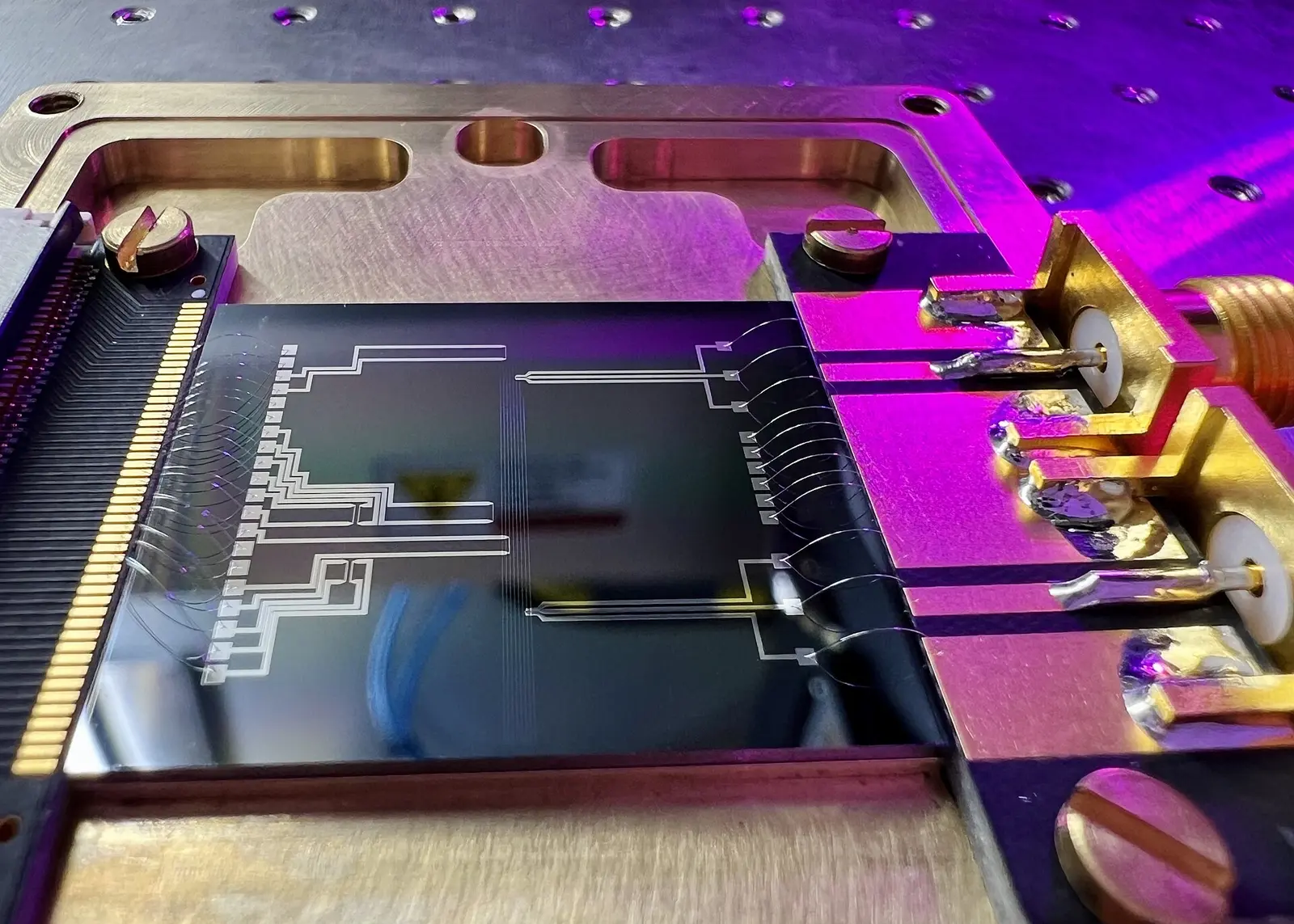

Frequency encoding is easiest to picture as distinct notes in a musical scale. Light at different frequencies can provide different channels for quantum information. The processor’s job is not merely to let those notes pass through. It must control their relationships while preserving the quantum behavior needed for the experiment.
The musical picture is only an analogy. These are not audible sounds, and a bigger set of frequency channels is not automatically a bigger set of useful, error-corrected . It is a way to understand why generating light and manipulating it on one platform could be valuable.
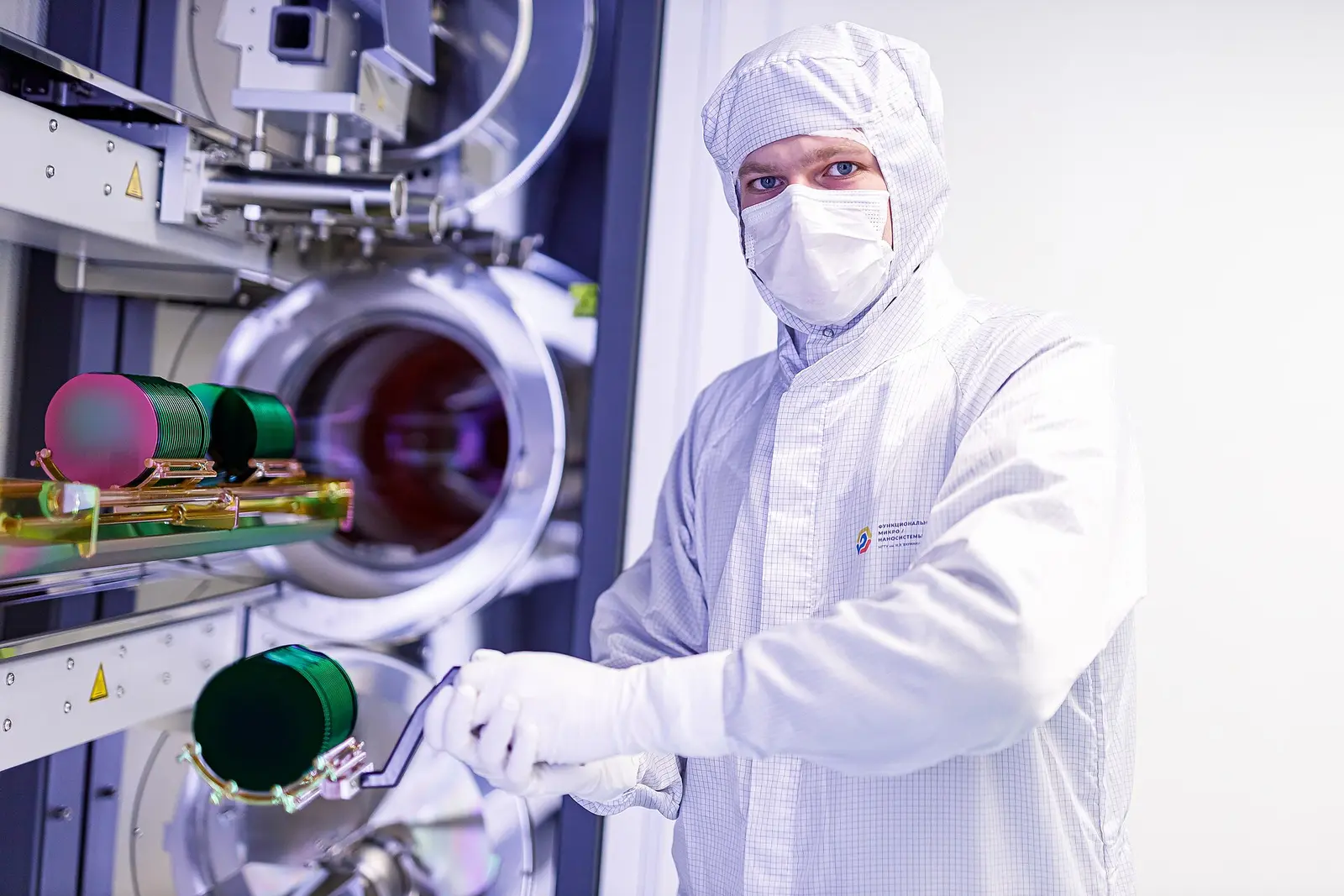

Moving functions onto a chip can change the engineering conversation. Instead of assembling every element as a separate laboratory component, researchers can ask how an integrated design behaves, how reproducibly it can be made and how it connects to the rest of a system. Those questions matter even when the first demonstration is small.
The surrounding equipment has not vanished. External controls, light delivery and measurement still matter, and this result does not show a consumer-ready machine or a computational win over classical hardware. The next test is whether more operations and channels can be added without losing the performance that made the integration useful. A small chip is a beginning, not a shortcut past the rest of the computer.