
This “Shape-Shifting” Quantum Computer Changes What Light Can Do
Clavina combines programmable optics with specialized modules so one research platform can tackle different quantum tasks.
.jpg)
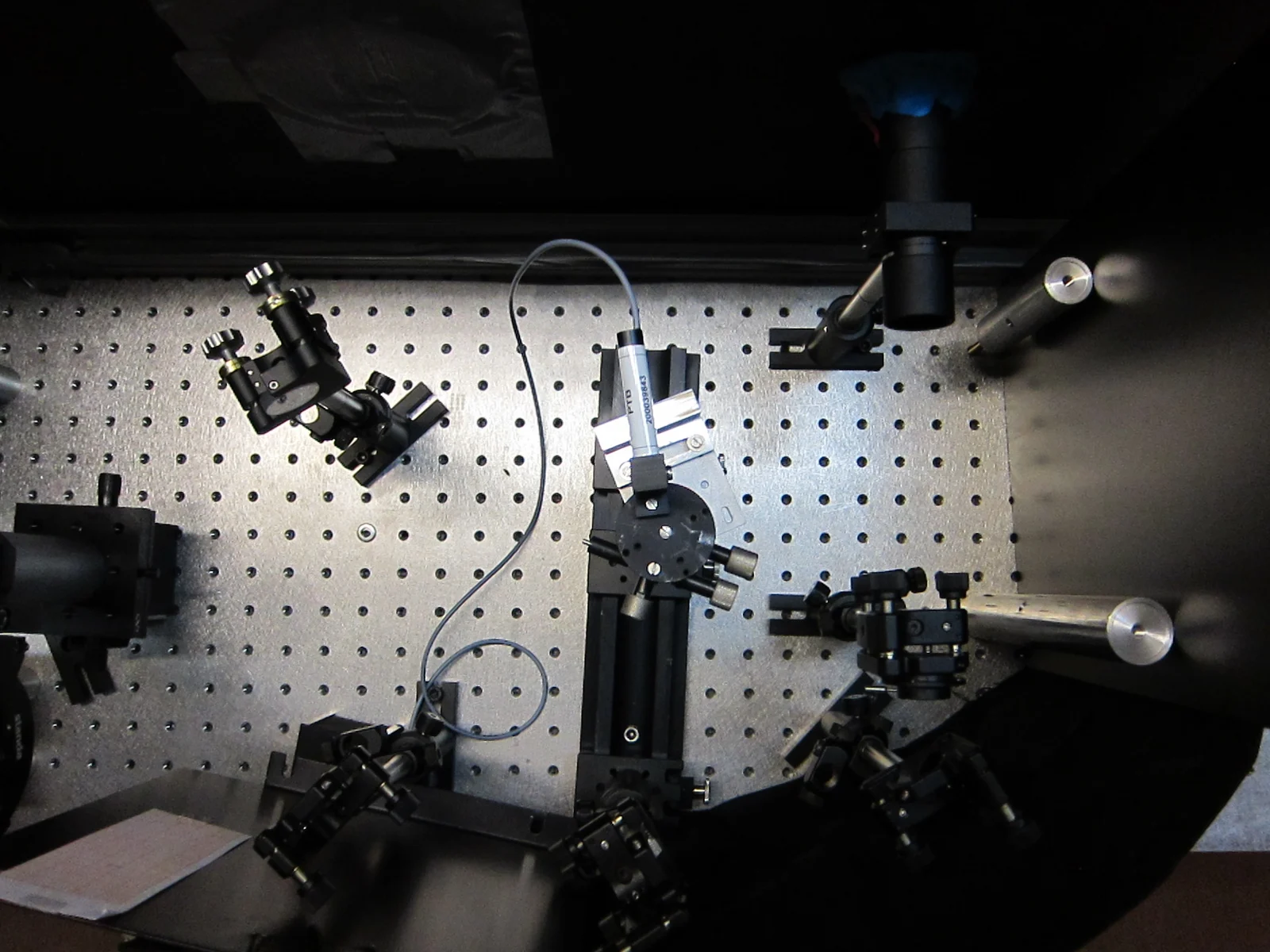
A quantum computer made from light needs more than a maze of mirrors. It also needs ways to perform operations that ordinary optical routing cannot supply. Clavina, described in a July 31 Nature Photonics paper, brings those functions together in a platform that researchers can reconfigure for different tasks.[1]
The design combines a programmable optical network with specialized nonlinear modules. In everyday terms, a central controller sends light through different operations as needed, and modules can be added without rebuilding the whole machine. “Shape-shifting” describes that flexibility; the apparatus is not physically transforming or deciding for itself what to compute.[1]
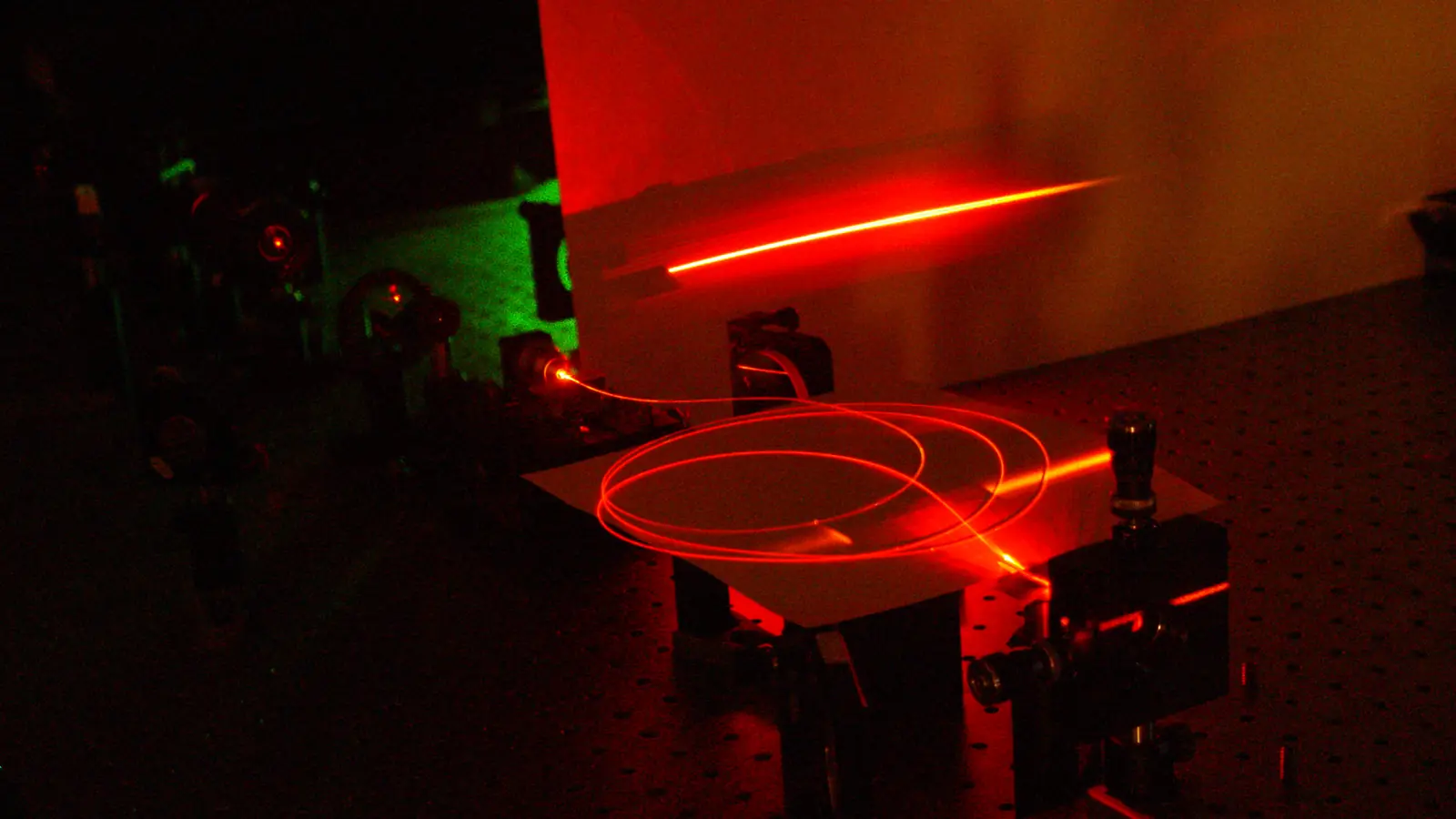
One demonstration generated Gottesman–Kitaev–Preskill states, usually shortened to GKP states, nearly deterministically. These carefully structured states of light are resources for quantum error correction. Another explored the Bose–Hubbard model, a way of describing interacting quantum particles. Both show the value of putting different operations within one platform.[1]
.jpg)
The distinction is crucial: a universal set of physical operations does not make a finished fault-tolerant computer. The study reports an architecture and laboratory demonstrations. It does not establish a commercially useful workload outperforming the best classical alternative. Loss, reliable operations and error-correction overhead still matter as the system grows.[1]
For photonic quantum computing, the appeal is versatility. Instead of building a separate optical experiment for each job, researchers can reuse a common platform. That gives future experiments a more flexible starting point, while leaving the difficult work of scaling those capabilities into a dependable computer ahead.