
DOE asks what quantum computers need around the chip
A new consultation examines shared cooling and supercomputer integration, with reliability ahead of thermal efficiency for research uptime.
Reading tools for text size, copying, printing and your reading list
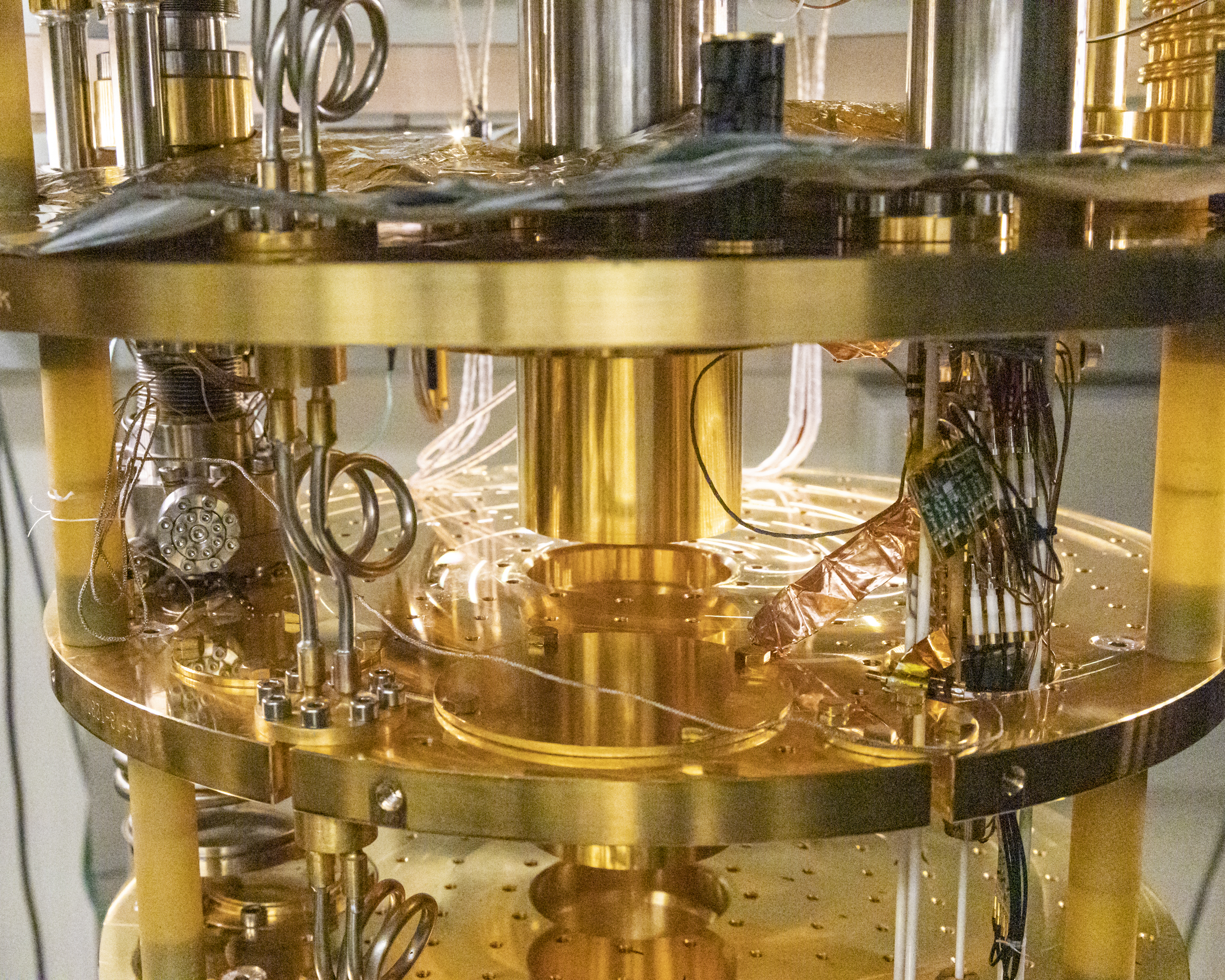
The U.S. Department of Energy is asking researchers and suppliers what they would need from shared facilities for cooling quantum hardware and connecting it to supercomputers. Its November 12 request focuses on the machinery around quantum processors, not a new record.[1][2]
The request is market research, not a funding award, construction decision or promise to buy equipment. Responses are due December 17. DOE is considering two connected testbeds: one for very-low-temperature technology and another for integrating quantum machines with conventional high-performance computers.[1][2]
The interesting problem is making different pieces work together. The document asks about cooling power at particular temperatures, electrical connections, software and how quickly quantum and conventional processors must exchange information. Buying a processor alone does not answer those questions.[2]
A testbed would let researchers try combinations of equipment using infrastructure that DOE says could otherwise be too expensive to acquire or burdensome to maintain. Potential users include companies, universities and national laboratories.[2]
One revealing trade-off appears in the cooling requirements. DOE emphasizes reliability and flexibility over overall thermal efficiency because the testbed should keep experiments running and support varied research. That is a research-facility design priority, not a claim that quantum computing saves energy.[2]
For cost estimates, vendors are asked to consider two or four progressively scaled experimental systems, plus roughly 10 to 40 smaller experiments. These are planning scenarios, not an approved equipment order or promised capacity.[2]
This consultation is separate from the November 12 advisory recommendation placing a quantum user facility on an urgent-priority list. The next step here is collecting practical requirements: what users need, what suppliers can provide and how the pieces could grow together.[2][3]