
openQSE tests software links between quantum computers and supercomputers
Public software and SC26 demonstrations target the plumbing between machines, not a new quantum speed record.
Reading tools for text size, copying, printing and your reading list
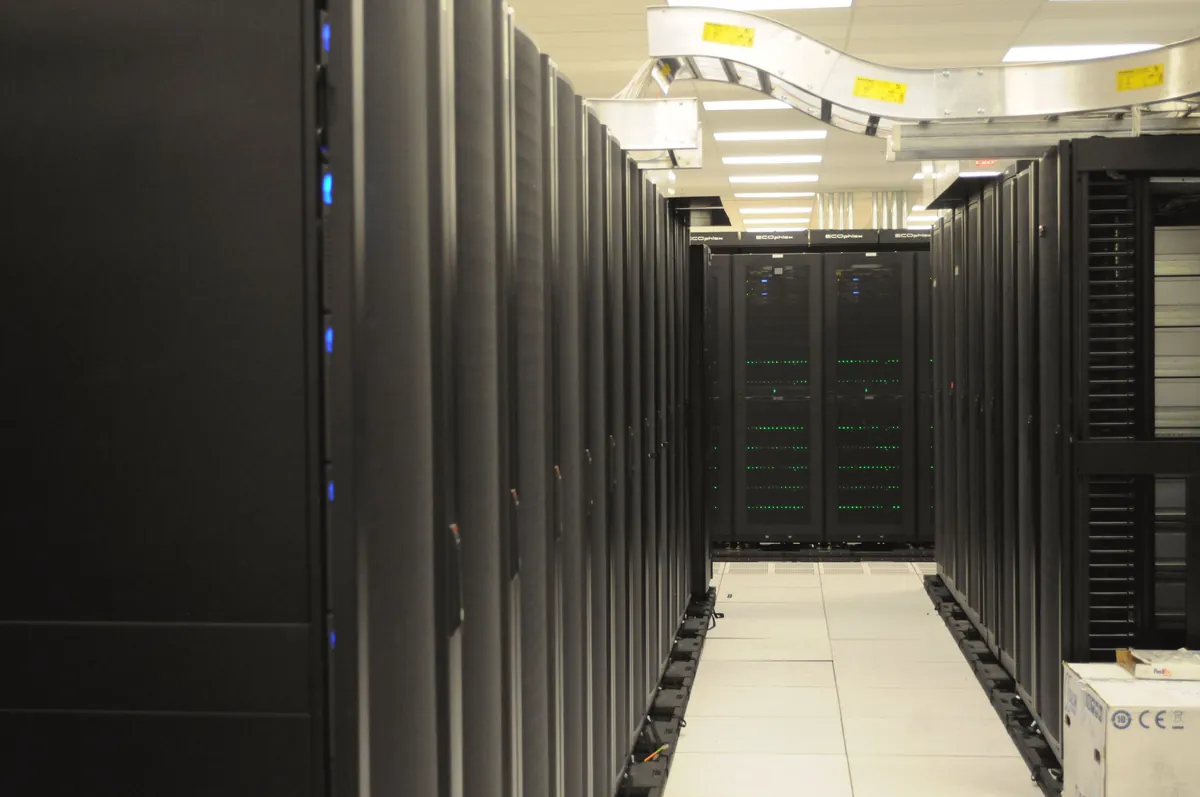
AMD has outlined an initial openQSE implementation that connects separately developed quantum and supercomputer software, ahead of demonstrations at SC26. Its November 14 technical article presents an integration milestone, not a finished standard or evidence that quantum computing outperforms conventional machines.[1]
The practical question is how a scientific calculation moves between different machines without each laboratory building a separate connection for every supplier. The implementation tests two approaches: reserving classical and quantum resources separately for successive stages, or booking both for the same execution window. Those choices matter when one stage must wait for results from another.[1]
This is not a newly formed initiative. The project’s September 17 workshop already described work on open specifications and reference implementations. The current SC26 materials add a concrete demonstration programme and links to software and instructions that developers can inspect.[2][3]
One example uses Prefect to coordinate quantum-circuit sampling and a conventional calculation through Slurm, which allocates computing jobs. The developers report validating this workflow from start to finish with both a simulator and real IBM quantum hardware. Their recipe recommends starting with the simulator; hardware runs need device configuration and access credentials. This is a reported integration test, not a measured scientific speedup.[4]
The project’s container-based test environment also explicitly warns that it does not represent production supercomputer performance. That leaves an important next test: whether integrations remain reliable and useful under real facility workloads, rather than merely connecting successfully in a demonstration.[5]
The community demonstration is scheduled for November 18 at 11 a.m. Central time at the Department of Energy booth. Its value will be in showing which components work together and where the interfaces still need refinement, not in declaring the interoperability problem solved.[6]