
Canada’s first quantum satellite mission gets two light sources that will stay on Earth
Waterloo says it delivered two ground-based instruments to the Canadian Space Agency. They will let researchers compare ways of sharing encryption keys with a satellite.
Reading tools for text size, copying, printing and your reading list
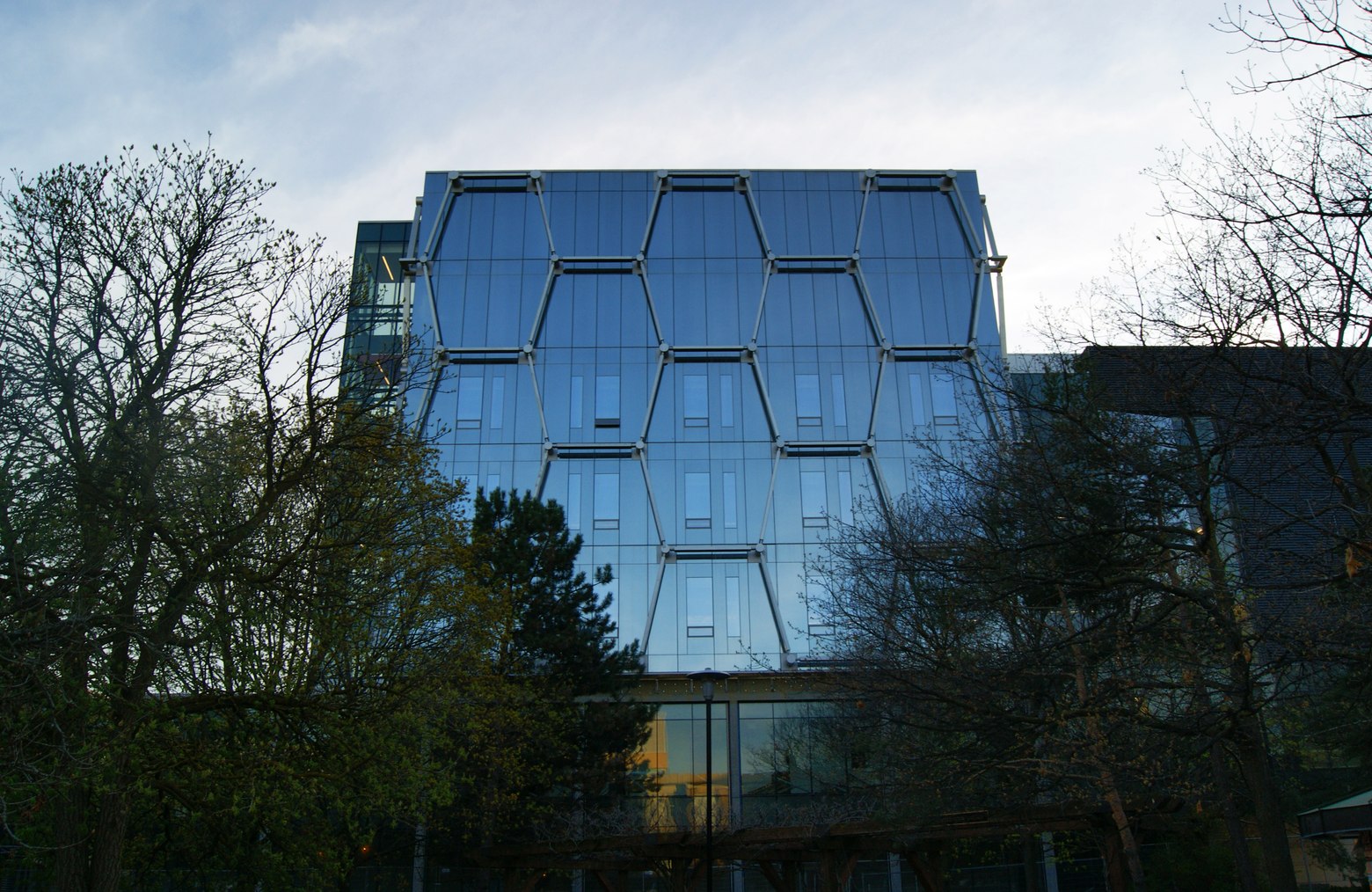
Canada’s first quantum satellite mission has received two instruments that will stay on Earth. On November 27, the University of Waterloo said its Institute for Quantum Computing had delivered two light sources to the Canadian Space Agency for the Quantum Encryption and Science Satellite, known as QEYSSat. The mission will use them to test how to establish shared encryption keys between Earth and orbit. The agency lists launch as no earlier than 2027. Waterloo did not disclose the date of the hardware handover or report a working link from orbit.[1][2]
In the planned experiments, the quantum signals help the two sides agree on key material. They do not carry the confidential message itself. In the scenario the space agency describes, once the parties have a shared key, they can use it to encrypt a message that travels over a conventional connection. The point of the satellite is to test an alternative to sending fragile quantum signals through long stretches of fiber, where much of the light is lost.[2][3]
Why the mission needs two light sources
One instrument sends very faint laser pulses. That gives the team a way to test key distribution using attenuated laser light: individual pulses can contain no photons, one photon or sometimes more than one. The other makes pairs of photons. A ground instrument can measure one member of a pair while the satellite receives the other, so researchers can compare outcomes from measurements made at the two ends. These are different physical ways of establishing a shared key. Having both on the ground lets a single spacecraft receiver take part in experiments with both kinds of source.[1][3]
Putting the light sources on the ground gives researchers access to hardware they could not swap out on an orbiting spacecraft. On the other hand, the light must still reach a small receiver that is moving across the sky. The design work identifies pointing, loss and background light as practical limits. A successful delivery says the team built and handed over the instruments; it does not say how many of their signals a satellite will detect or how many usable keys an orbital pass would yield.[1][2][3]
The two-source design has been public for years. What changed in Waterloo’s new report is that both sources have moved from the lab team to the agency responsible for the mission. Beyond a launch, the milestones to watch are measurements that show the spacecraft can receive the uplink and a demonstration that enough detections survive to produce a usable key. The agency lists a planned one-year mission, with a possible one-year extension. That is a window for experiments, not a promise of continuous service. The announcement reports neither an orbital link nor a launch date.[1][2][3]