
What the shape of an error burst can tell us about a quantum chip
Radiation and mechanical vibration can both upset several superconducting qubits at once. A preliminary analysis released for a CERN conference looks for clues in how the errors rise and fade.
Reading tools for text size, copying, printing and your reading list
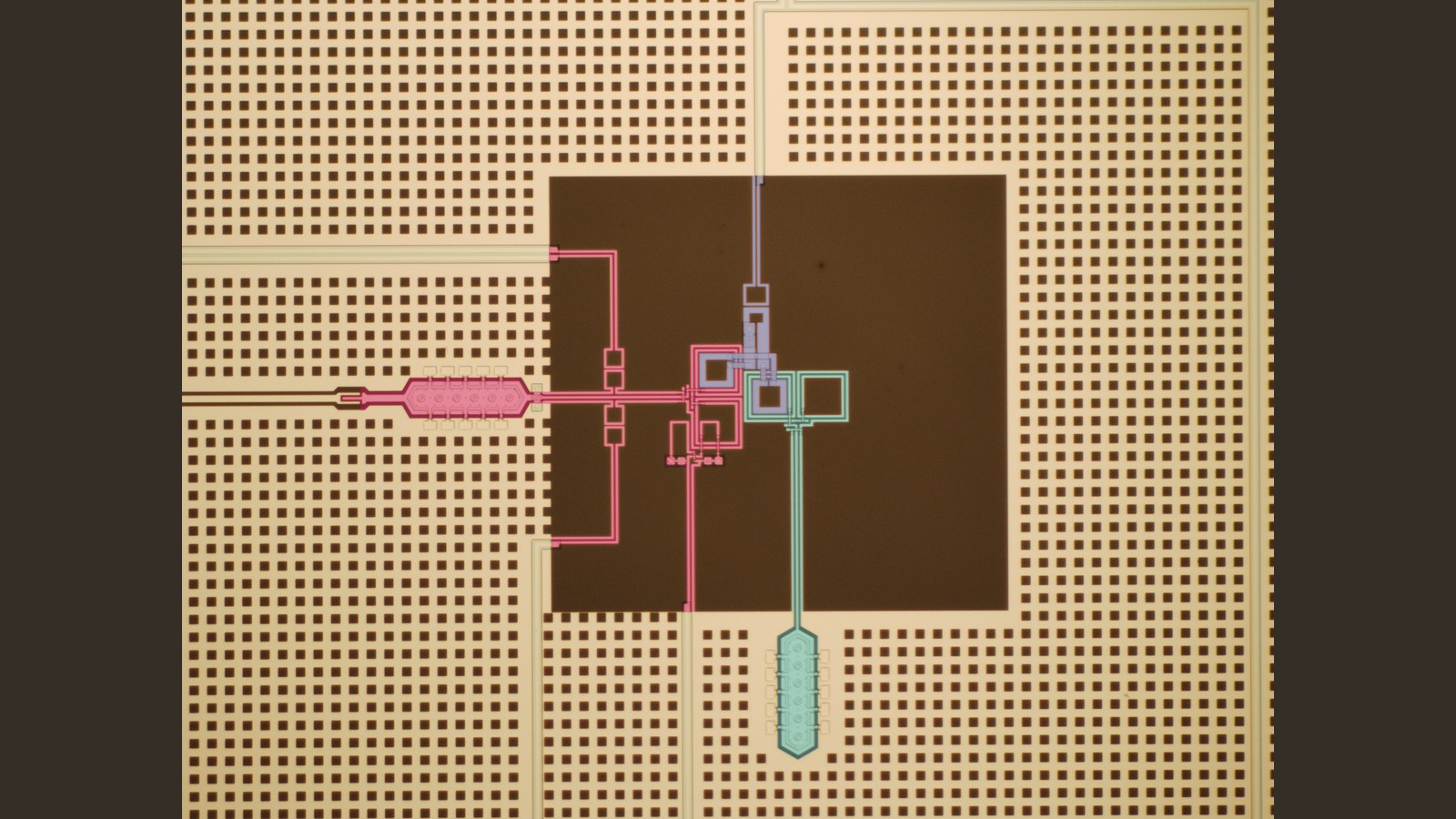
When several on a superconducting chip lose energy together, an engineer wants to know what set them off. Did a particle deposit energy in the chip, did the apparatus vibrate, or was something else at work? Both radiation and vibration can produce clusters of errors. In materials released for a November 26 talk at CERN, Giovanni Laganà and collaborators describe a way to look for differences in the bursts themselves, using records from an experimental superconducting circuit.[1][2]
Look for the shape, not just the spike
The researchers started with measurements that flag when a qubit has dropped from an excited state. Their software looked for short jumps above the recent background level. Then it compared the bursts using details such as how sharply the errors rose, how long they lasted, how strongly different qubits reacted and whether their responses tracked one another. Those details matter because two bursts with similar peak error rates can have very different beginnings and recoveries.[1]
The analysis used records from a run with a linear accelerator as a radiation source and a background run from a different setup. The comparison in the slides combines signals from eight qubits. Earlier studies from some of the collaborators had already found that radiation and vibration could produce different patterns in superconducting devices. The new work is about recognizing patterns directly in the qubit records, not discovering those sources of errors for the first time.[1][2][3]
Two ways to group recorded events
The team first gave the software a set of features chosen by the researchers. When the events were plotted by similarity, the analysis showed branches associated with different response patterns. But two events with similar recovery times could still look alike to the software even if the shape of their bursts differed.[1]
The researchers then trained a model to look for patterns on its own. During training it had to predict parts of an event record that had been hidden, such as a stretch of time or the trace from one qubit. The model's summary produced a clearer visual split between events that started sharply and events with slower, broader responses. The slides show separation in the data, not a tested percentage for how often the software correctly names the cause of a new burst on another chip.[1]
Why identifying the burst could matter
Software that corrects routine errors can struggle when a single disturbance hits several qubits at once. One possibility would be to reserve a few qubits to watch for bursts, then use the observed recovery to decide how long a machine should treat nearby results as unreliable. That is a proposal in the presentation, not a demonstrated fix. A useful next test would expose the same setup to known disturbances, keep some records out of training, and measure both missed bursts and false alarms. That would show whether the patterns are a reliable diagnostic rather than just a clearer way to view past data.[1][2][3]
Keep your reading trail
Keep up with these topics
Explore the subjects covered in this story.