
Making the chip is only half the job for light-based quantum computers
TuringQ opened a packaging and testing center in Changsha. The next test is whether it can turn the work of aligning tiny optical connections into a repeatable production process.
Reading tools for text size, copying, printing and your reading list
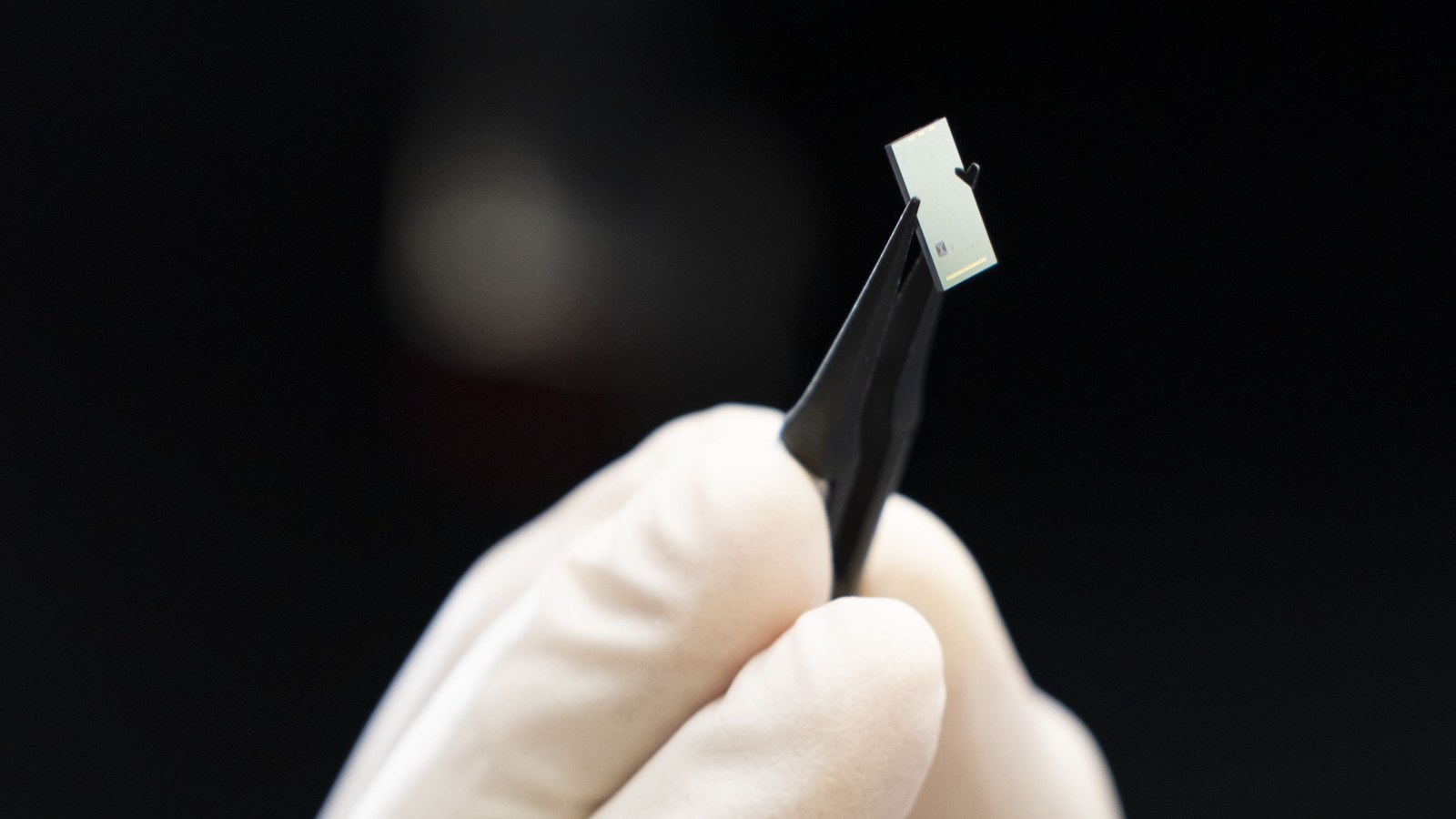
A photonic chip can be smaller than a fingernail. The tricky part is getting light into it, getting light back out and keeping those connections in place after the chip leaves the lab. TuringQ has opened a center in Changsha dedicated to the packaging and testing work that makes those connections possible.[1][4]
The company held the opening ceremony on November 20 at the World Computing Conference. The center itself is in the Ningxiang Economic and Technological Development Zone, elsewhere in the Changsha area. A November 21 municipal report describes a 2027 target for full first-phase production and plans to offer testing and small-batch services to outside researchers and companies. TuringQ confirmed the plans to Shanghai Securities News on November 22. Neither report says the center is already producing at full capacity.[1][2]
Why the package matters
A chip’s package is more than a protective shell. An optical fiber must line up with a channel on the chip well enough for light to pass between them. Every poor connection can reduce the light that gets through. That matters for a quantum device that depends on scarce individual photons: losing one at a connection can spoil an attempt before the rest of the machine has had a chance to do anything.[1][4]
The Ningxiang center’s stated work includes testing devices while they are still on the wafer, attaching chips and aligning multiple optical connections. One benefit of testing early is that an obviously defective device need not go through the trouble of being packaged. Once assembled, the package still needs its own test: a chip that passed on the wafer may not perform the same way when it is connected to the rest of a system.[1][4]
What opened, and what comes next
The opening does not mean the site started from scratch last week. A September report from inside the facility said its wafer-level test platform entered service in July. Hunan’s industry department was already discussing 2027 first-phase production in October. The November milestone is the formal opening of the broader packaging and testing center, not the first operation of a piece of equipment or a newly announced production year.[1][3][5]
TuringQ’s work is split across three cities. The company does chip design and system integration in Shanghai, develops and trials wafer processes in Wuxi with a Shanghai Jiao Tong University institute, and plans to handle testing, work after wafer fabrication and packaging in Changsha. The public reports do not give a date when outside customers can book the line, or say how many finished packages it can make.[1][2][5]
An opening ceremony and a production line answer different questions. The evidence to watch for is an outside team sending in a batch and getting back packages with a consistent measure of how much light makes it through. That would tell researchers more about this part of scaling a photonic computer than the specifications of any single chip.[1][4]
Keep your reading trail
Keep up with these topics
Explore the subjects covered in this story.