
Skip to content

2026 SELECTION

QubitWire 100

100 people recognized for contributions to quantum computing. Unranked and alphabetical by surname.

An unranked collection. Browse by surname or start with an idea.

Browse by topic
Explain these topics
Error correction
Methods that protect encoded quantum information by detecting and correcting certain errors.
Neutral atoms
A hardware approach that stores quantum information in electrically neutral atoms.
Quantum networks
Links that distribute quantum information or entanglement between locations.
Algorithms & complexity
How quantum calculations work and what resources they require.
Foundations
The concepts and physical principles that quantum information builds on.

The 2026 selection2 of 100 people

About quantum networks
Quantum networks
Links that distribute quantum information or entanglement between locations.

Jump to surname

B

1 person

Buhrman develops the mathematical foundations of quantum algorithms and communication, and has built research programs that connect those ideas with quantum-software and industrial computing efforts.

Quantinuum

Chief Scientist for Algorithms and Innovation

Read profile
Why included? 3 sources

Buhrman combines foundational computer science with institution-building. His quantum-fingerprinting work demonstrated a sharply defined communication advantage: small quantum messages can distinguish long strings under a model where comparable classical messages face a stronger constraint. He later co-founded QuSoft to concentrate research on quantum software and now leads algorithms and innovation as a chief scientist at Quantinuum. The connection is the translation of what quantum information makes possible into algorithms and research capacity. His current identification follows the documented move from CWI, rather than carrying forward an outdated full-time institutional role.

Algorithms & complexityQuantum networks

Documented work base: United Kingdom

Identification checked Explore the contributions and sources
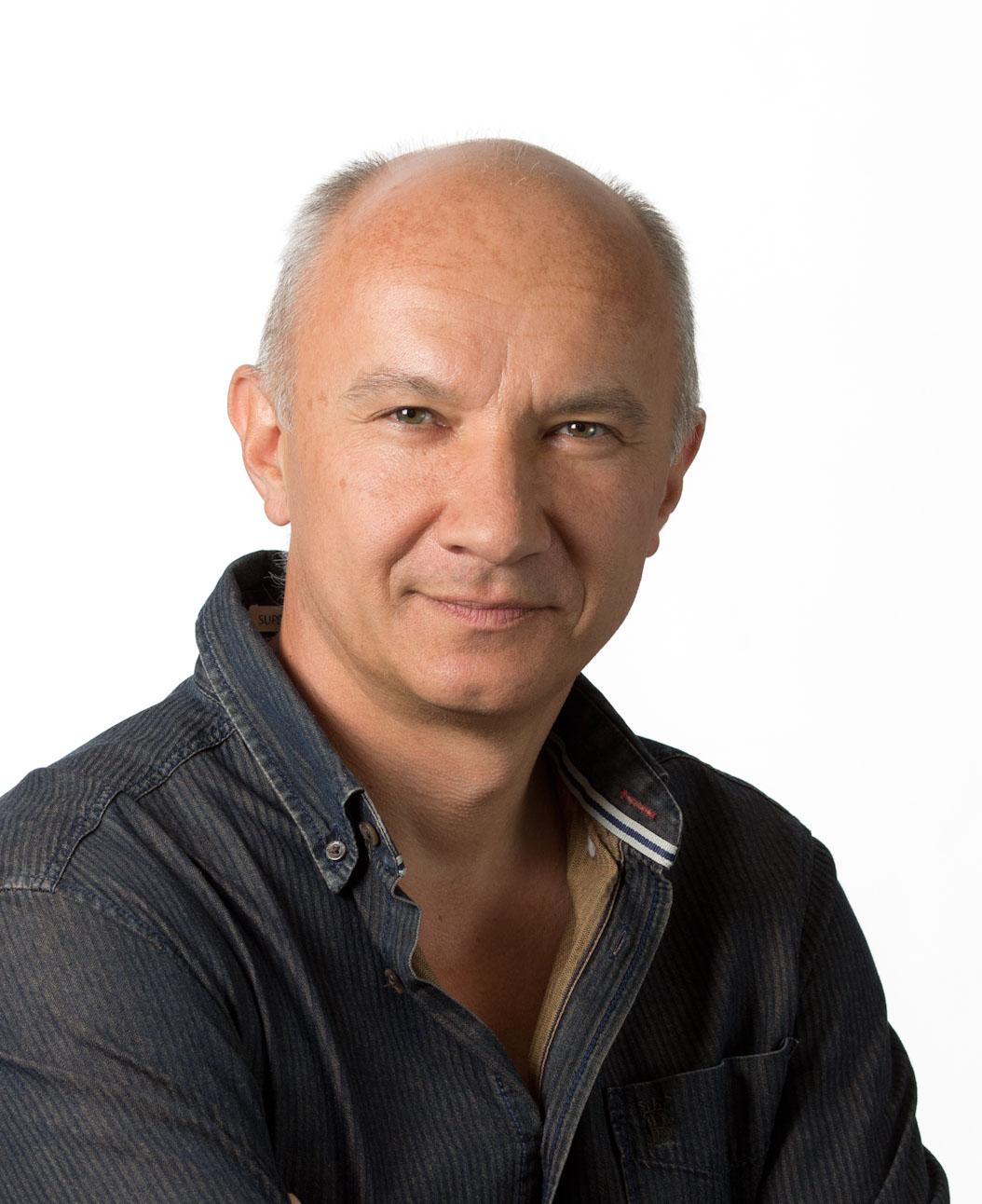
E

1 person

A quantum-information physicist whose entanglement-based cryptography proposal connected secure communication with Bell’s theorem, alongside institution-building work at Singapore’s Centre for Quantum Technologies.

University of Oxford

Professor of Quantum Physics

Read profile
Why included? 3 sources

Ekert’s work helped make entanglement useful as a resource for communication. His 1991 proposal linked quantum key distribution to Bell’s theorem, giving a new way to reason about the security of shared keys. His role as founding director of the Centre for Quantum Technologies also contributed to the field’s research capacity. The combination illustrates how a foundational idea can shape a technical discipline and the institutions that support its development.

Quantum cryptographyFoundations

Documented work base: United Kingdom

Identification checked Explore the contributions and sources
About these checks

Linked sources support selected statements in each profile. Research sources include papers and preprints. A source count is not a ranking or a quality score.

The identification check date relates to the recorded professional description. Individual sources have their own check dates. The fixed 2026 selection stays separate from later profile corrections.

THE EDITORIAL VIEW

Why these people.
Why this field.

Quantum computing is shaped by more than headline breakthroughs. Progress also depends on the people who establish its limits, make its systems more reliable and turn difficult ideas into tools others can use.

The QubitWire 100 recognizes contributions across that work. Each profile explains what is being recognized and connects the account to its supporting evidence.

View the permanent 2026 record