
Scientists Watched a Single Quantum of Sound Disappear
A microscopic resonator revealed the sudden loss of one phonon. Repeated measurements made the fleeting change visible.
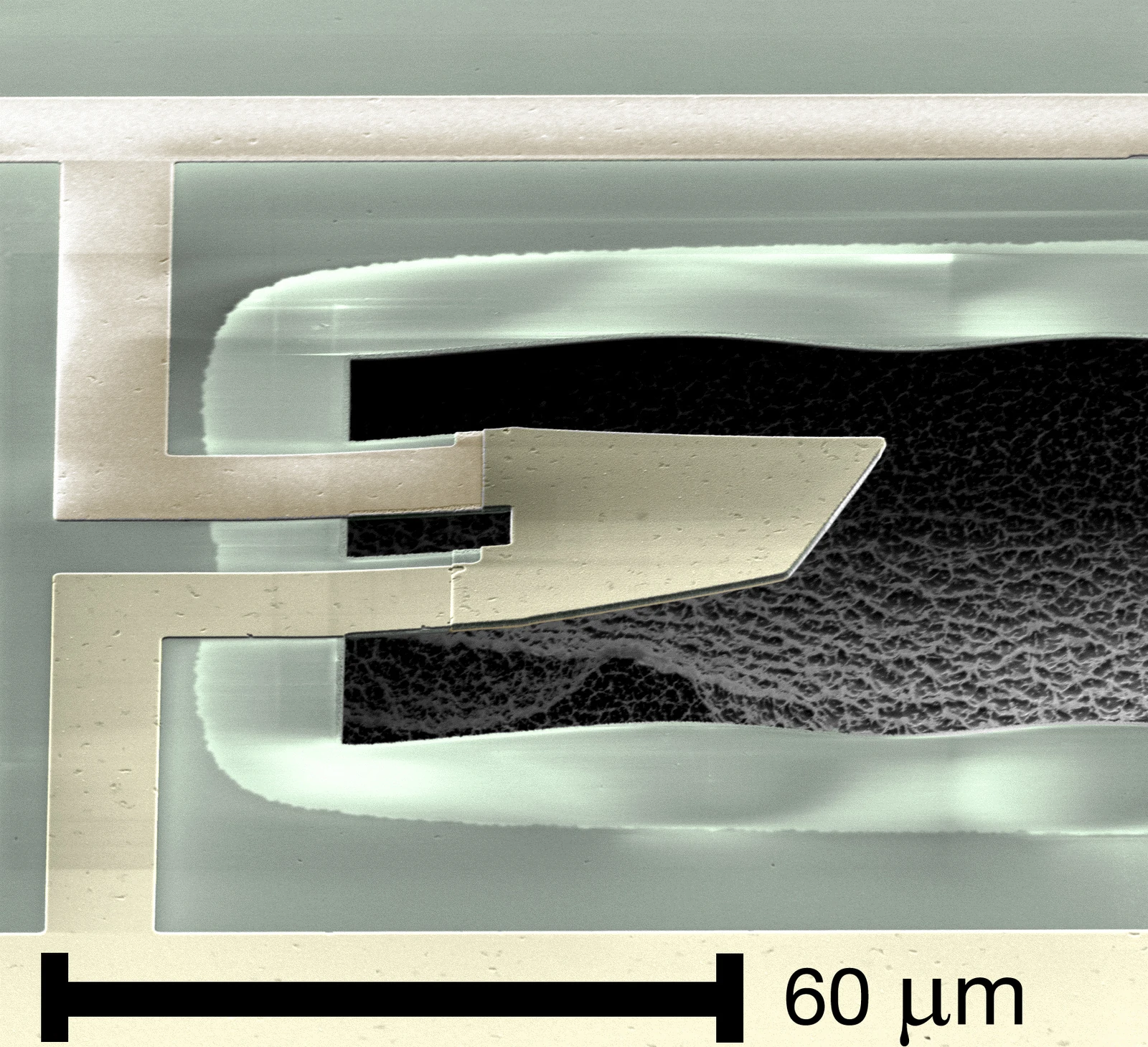

A bell seems to fade smoothly into silence. At the quantum scale, vibration comes in discrete packets of energy. Stanford researchers have now watched one of those packets disappear in real time, following a microscopic vibrating device as it changed from one quantum of motion to none.[1][2]
The packet is called a phonon, a quantum of collective motion in a material. In this experiment, a mechanical resonator played the role of the bell. A acted as a detector, checking the resonator’s energy repeatedly without simply absorbing the vibration it was meant to observe.[2]
The hard part was getting a long enough look. Stanford reports that the resonator could keep vibrating for roughly two milliseconds, leaving time for hundreds of checks. Those readings revealed an abrupt transition from the first excited state to the ground state: one phonon, then none. The study appeared in Science on September 17.[1][2]
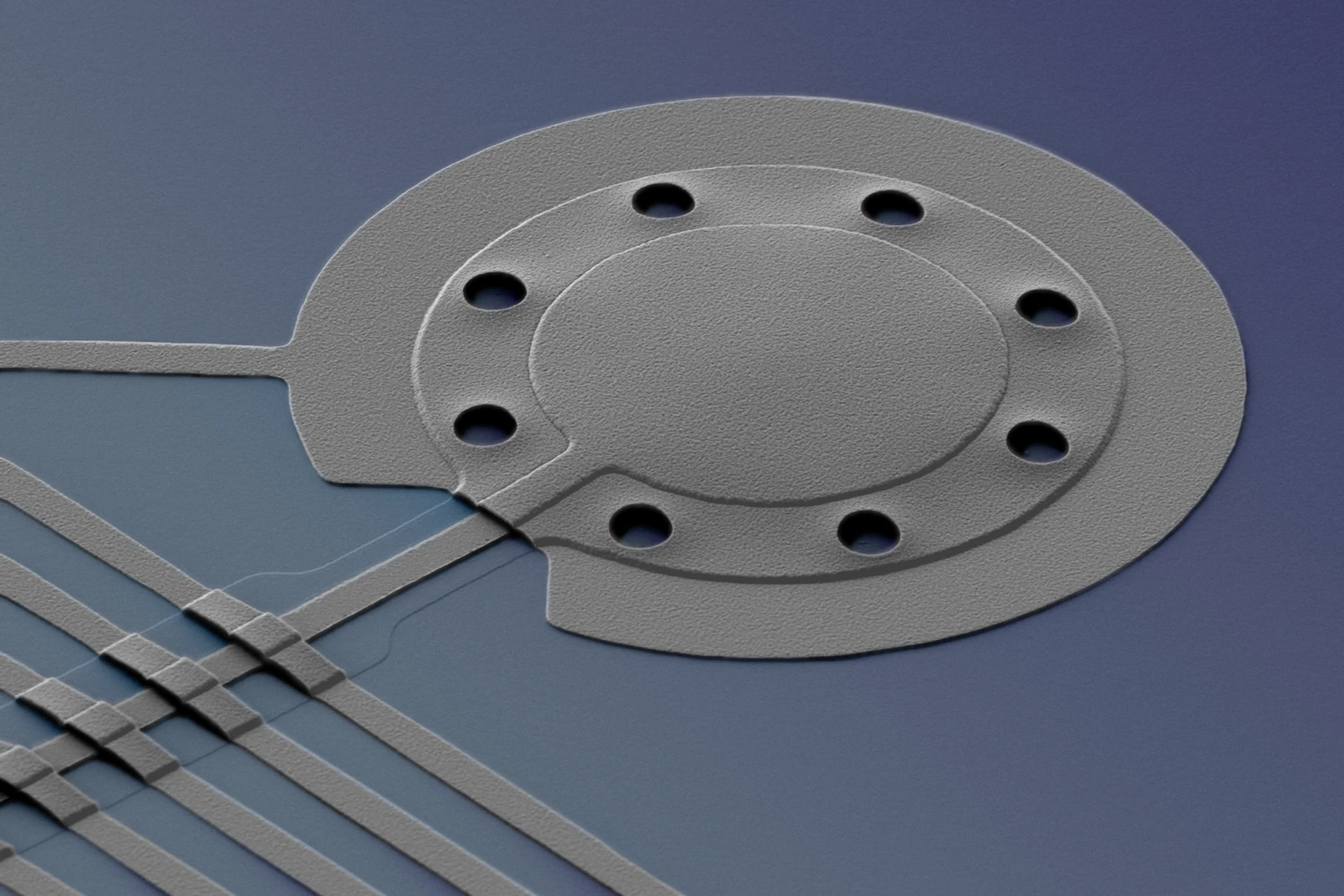
The detector measured energy rather than tracking the resonator’s position. Repeatedly asking how many phonons remained gave the researchers a way to resolve the individual transition. The sequence of readings matters as much as the final answer: it shows when the energy changed.[2]
That timing has practical significance for quantum engineering. A system carrying quantum information can lose energy during a calculation. Detecting the loss as it happens could help a future system diagnose errors and respond. The experiment establishes a measurement capability; a complete demonstration would also need to show how that information protects a computation.[1][2]
The achievement is being able to follow a fragile system closely enough to catch a single change. For researchers building quantum devices, that opens a more precise way to investigate where information goes missing.
The next challenge is connecting that observation to a useful response: can a device recognize the loss, act on the measurement and preserve the information it was meant to hold?