
A quantum clock goes to sea. What does the evidence show?
Five new stories follow the difference between a result and the question it answers: a clock at sea, learning from light, the limits of simulation, hidden energy and the meaning of a quantum score. This edition covers announcements and preprints from October 29 and 30, with the evidence and its boundaries kept in view.
Published · Los Angeles · 5 selected storiesFollow the evidence further.
Move from the research to the physical mechanism, then work through the tradeoff yourself.
A useful way to read this page
Choose a route according to the question you want it to answer.
Reader guideBriefing: read a dated edition and a live preview for different purposesUse a fixed edition for its original selection, the archive for history and the preview for its currently displayed status.
A dated briefing preserves an editorial selection for that edition. Its linked articles can acquire corrections or additional context later, so the edition date and an article’s update date answer different questions. Use the archive to revisit what was selected at a particular time and the live preview to inspect the current selection.
When comparing editions, look for a changed claim or new evidence rather than assuming every repeated organization has produced a new technical result. Record the source date, the reported event date and the reason the item matters together. This makes a useful chronology without treating a new publication date as a new experiment.
The archive, preview and feed routes provide different ways to read the publication. A visible edition or feed is not a promise of email delivery, an individual alert or a fixed future publishing schedule. Check each route’s own description when choosing how to return.
Questions to take with you
Why can a linked article change while the edition stays dated?
The edition preserves its original selection. The article can carry later corrections or context. Reading both dates prevents those two records from being confused.
Does reading or bookmarking an edition join email delivery?
No such action is described here. Email signup and status have their own existing route and choices; this module does not submit or confirm a subscription.
Sources and their boundaries (1)
- Current on-site edition: A quantum clock goes to sea. What does the evidence show? ↗QubitWire · Published 2026-10-31
5 stories in this dated edition. Older editions remain in the archive; the live preview is a separate, changing selection.
On-site publication does not establish email delivery. The signup is a launch list while scheduled email delivery remains inactive.

A quantum clock goes to sea
A reported maritime trial tests the practical side of quantum timing. The next question is how accurately the clock kept time.
Company-reported field trial announced October 30. Continuous operation is not a published measurement of accuracy, and the photo shows a different vessel.
Infleqtion: Tiqker at Maritime Big Play Pacific ↗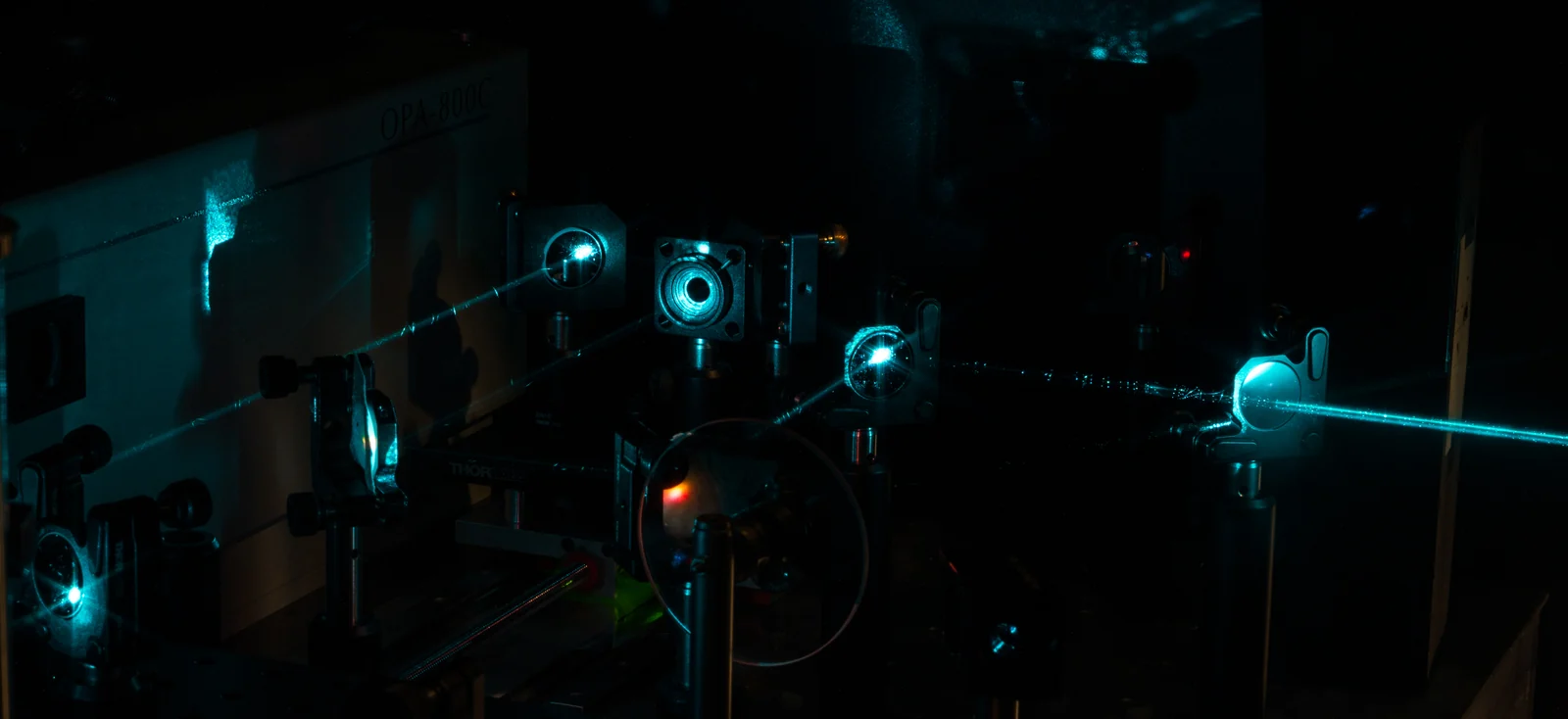
Learning which state was prepared
A new preprint studies a focused laboratory decision and the limits of a promising learning method.
Preprint submitted October 29 and listed October 30. A small photonic experiment and conditional scaling result; no demonstrated quantum advantage.
Provably efficient experimental classification of quantum data with quantum kernels ↗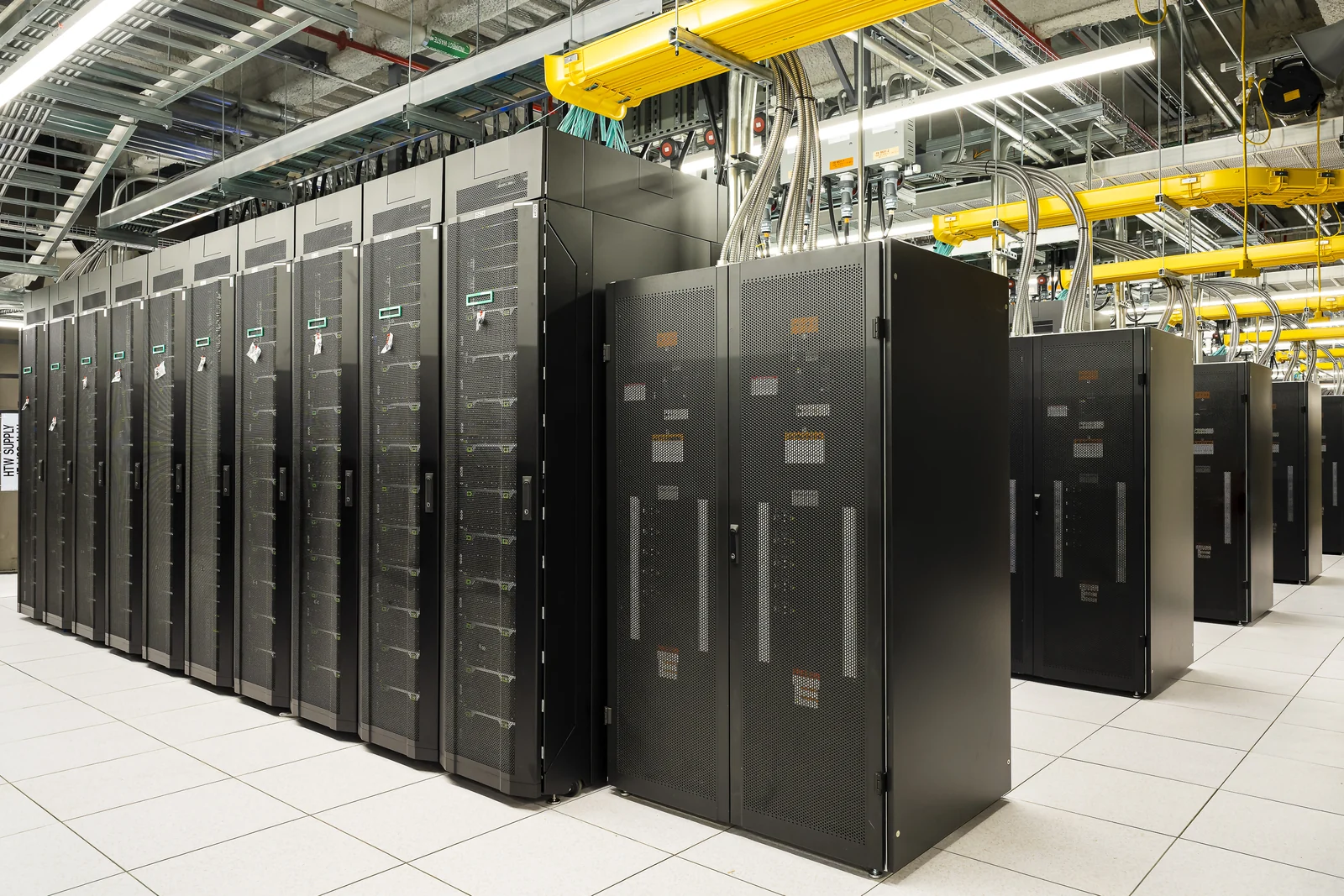
The size of a simulation is only one number
A new platform integration makes an emulator easier to reach. Circuit structure determines what its scale means.
October 29 product-access announcement. Large MPS circuit widths depend on structure, resource limits and accepted numerical error.
QPerfect and qBraid bring MIMIQ to qBraid ↗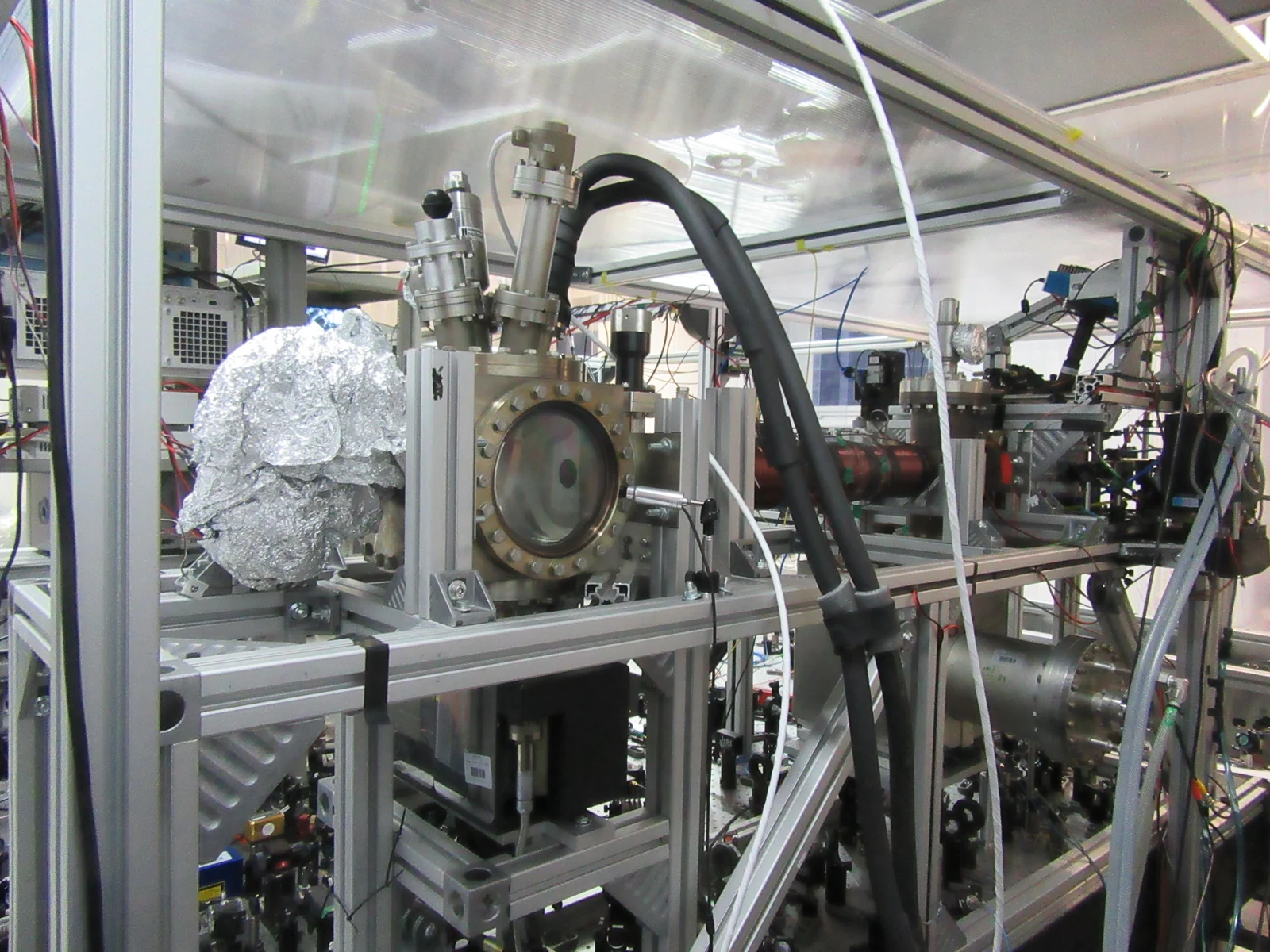
The energy hidden inside a snapshot
A numerical preprint combines ordinary readouts with calibration to infer a physical quantity they do not directly show.
Preprint submitted October 29 and listed October 30. Numerical work with calibration and identifiability conditions, not a new laboratory demonstration.
Reconstructing hidden observables via quantum snapshot thermometry ↗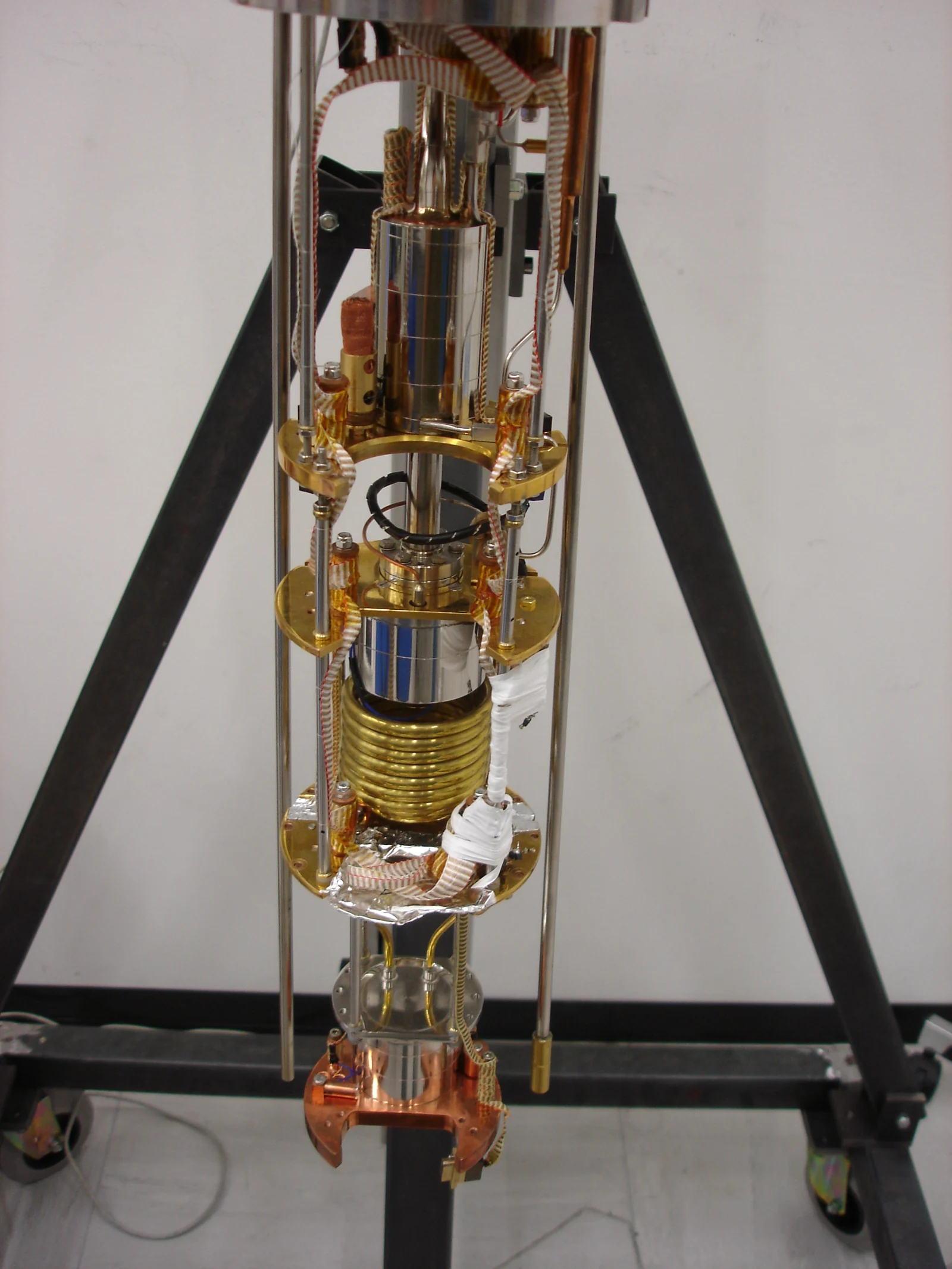
Two scores, two different questions
A new preprint compares different diagnostics and finds that their interpretation depends on what was averaged.
Preprint submitted October 29 and listed October 30. Two-qubit hardware measurements; larger calculations up to 12 qubits are numerical.
Entanglement diagnostics of stochastic-resetting steady states: theory and measurement on superconducting qubits ↗What does this result actually establish?
Start with the measured task, the comparison and the information left out. Continuous operation, a classification label, circuit width and an attractive diagnostic curve each answer a different question. The research-literacy guide offers a practical way to read the next claim.
Compare the recorded evidence →