
How do you time a quantum error that almost never happens?
The researchers watched for more than three hours and counted thirteen switches. Those rare events helped them measure how well a superconducting circuit protects one part of a quantum bit. Also in this issue, we follow a route planner’s 200-fold claim back to its arithmetic, a diamond sensor’s signal back to its source, and a tracker’s mobile subscription back to the factory.
Published · Los Angeles · 5 selected stories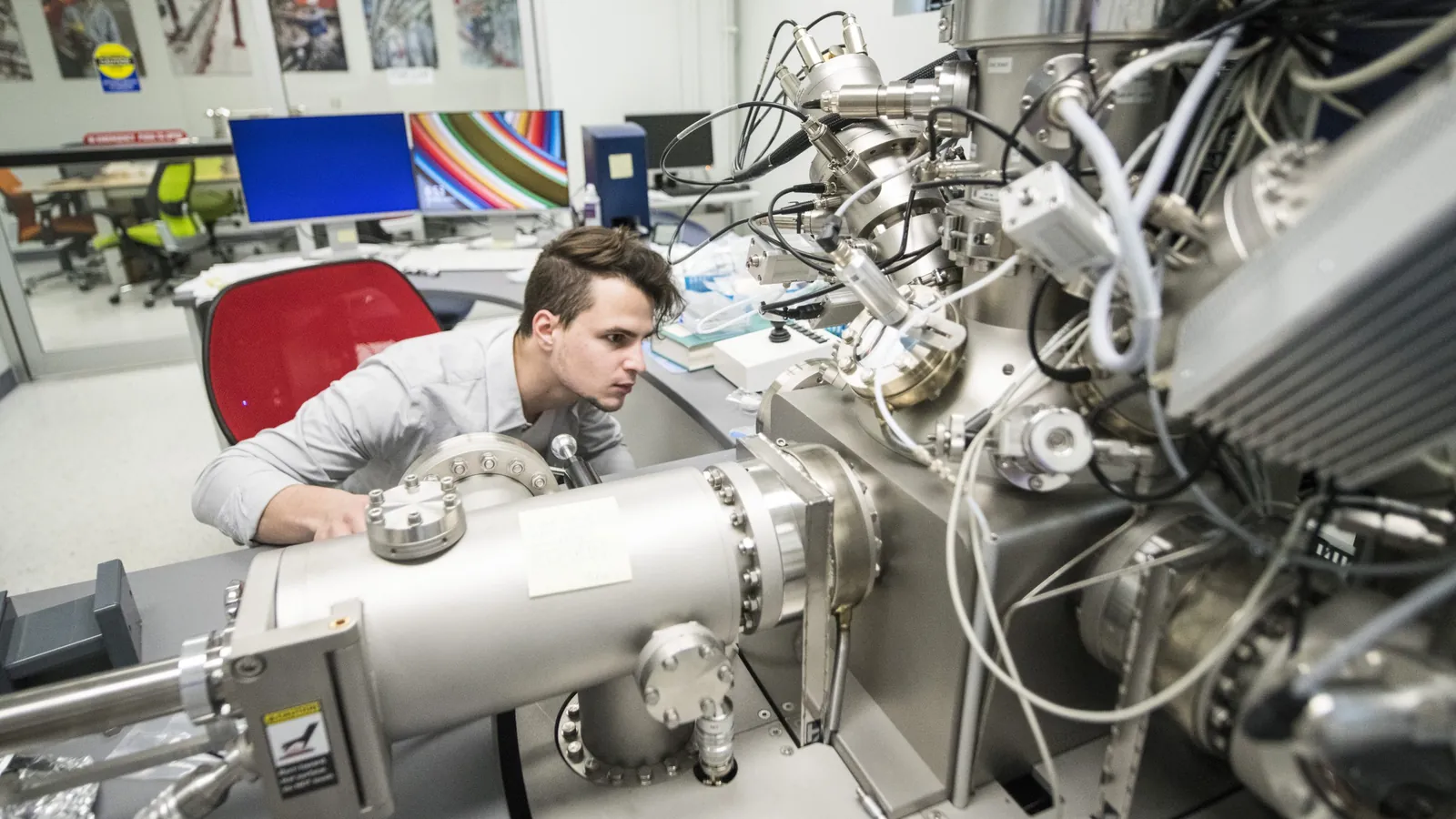
A cat qubit uses its own readout circuit to fight bit flips for minutes
The same circuit that reads a qubit can also drain the energy that makes it switch states. Thirteen switches tell the story of how the researchers put a time on that protection.
The 448-second result describes bit flips while the device was idle. The team measured phase errors at a different setting.
Weizmann researchers · experimental preprint ↗
How much shorter is the route? Reading D-Wave’s 200-fold claim
Two route planners get 15 seconds and the same set of stops. What does it mean for one answer to be 200 times closer to the best possible tour?
D-Wave compared two versions of its own solver. The 200-fold figure describes the gap to the optimum at equal runtime.
D-Wave · internal benchmark ↗
Could a diamond sensor map how electricity moves through tissue?
A diamond can sense a faint magnetic field. To make an image, researchers must also work out where inside the sample that signal came from.
The September award funds an attempt to reconstruct tissue conductivity. The November announcement reports no patient scans.
City College of New York · research announcement ↗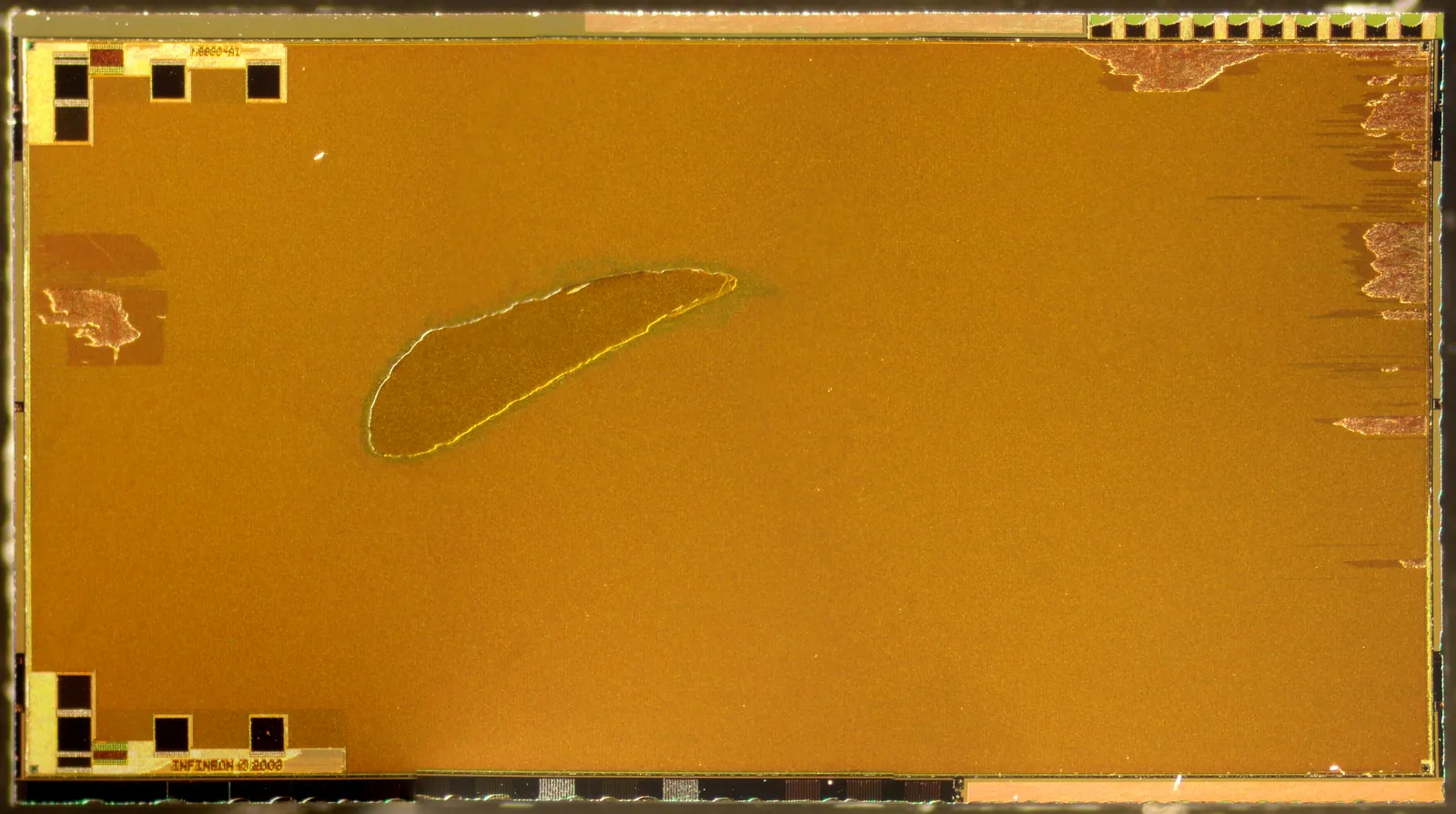
Orange joins a factory eSIM trial billed as quantum-safe
Two identical trackers can come off the same production line with different mobile subscriptions. Orange is letting manufacturers try assigning its network credentials just before a device ships.
The trial covers installing a profile on its intended chip. The companies have not named the algorithm used for that step.
Acceleronix, IDEMIA and Orange · joint announcement ↗
IonQ closes its Elisity acquisition. What changes for customers?
Updated November 4. The acquisition announced in October has closed. Elisity says its next step is an inventory that would show customers where their systems depend on cryptography.
The first product capability is targeted for the first half of 2027. Customers would still have to migrate the systems the inventory identifies.
IonQ · November 4 closing announcement ↗What would convince you the improvement holds up?
For the qubit, look for both kinds of error measured at the same setting. For a route planner, give competing tools the same problem and time. For an image, compare it with a sample whose shape you know. For the tracker, ask which chip can open the credentials and how the manufacturer checked.
Compare the recorded evidence →Follow the evidence further.
Move from the research to the physical mechanism, then work through the tradeoff yourself.
A useful way to read this page
Choose a route according to the question you want it to answer.
Reader guideBriefing: read a dated edition and a live preview for different purposesUse a fixed edition for its original selection, the archive for history and the preview for its currently displayed status.
A dated briefing preserves an editorial selection for that edition. Its linked articles can acquire corrections or additional context later, so the edition date and an article’s update date answer different questions. Use the archive to revisit what was selected at a particular time and the live preview to inspect the current selection.
When comparing editions, look for a changed claim or new evidence rather than assuming every repeated organization has produced a new technical result. Record the source date, the reported event date and the reason the item matters together. This makes a useful chronology without treating a new publication date as a new experiment.
The archive, preview and feed routes provide different ways to read the publication. A visible edition or feed is not a promise of email delivery, an individual alert or a fixed future publishing schedule. Check each route’s own description when choosing how to return.
Questions to take with you
Why can a linked article change while the edition stays dated?
The edition preserves its original selection. The article can carry later corrections or context. Reading both dates prevents those two records from being confused.
Does reading or bookmarking an edition join email delivery?
No such action is described here. Email signup and status have their own existing route and choices; this module does not submit or confirm a subscription.
Sources and their boundaries (1)
- Current on-site edition: How do you time a quantum error that almost never happens? ↗QubitWire · Published 2026-11-04
5 stories in this dated edition. Older editions remain in the archive; the live preview is a separate, changing selection.
On-site publication does not establish email delivery. The signup is a launch list while scheduled email delivery remains inactive.