
What happens between the headline numbers?
A group of atoms can reveal useful physics before it settles. A tiny component can make the hardware around a quantum device more compact. And a smaller operation count can still leave a calculation with a larger resource bill. This issue follows the experiment, the component and the complete accounting—and explains what each number actually describes.
Published · Los Angeles · 3 selected stories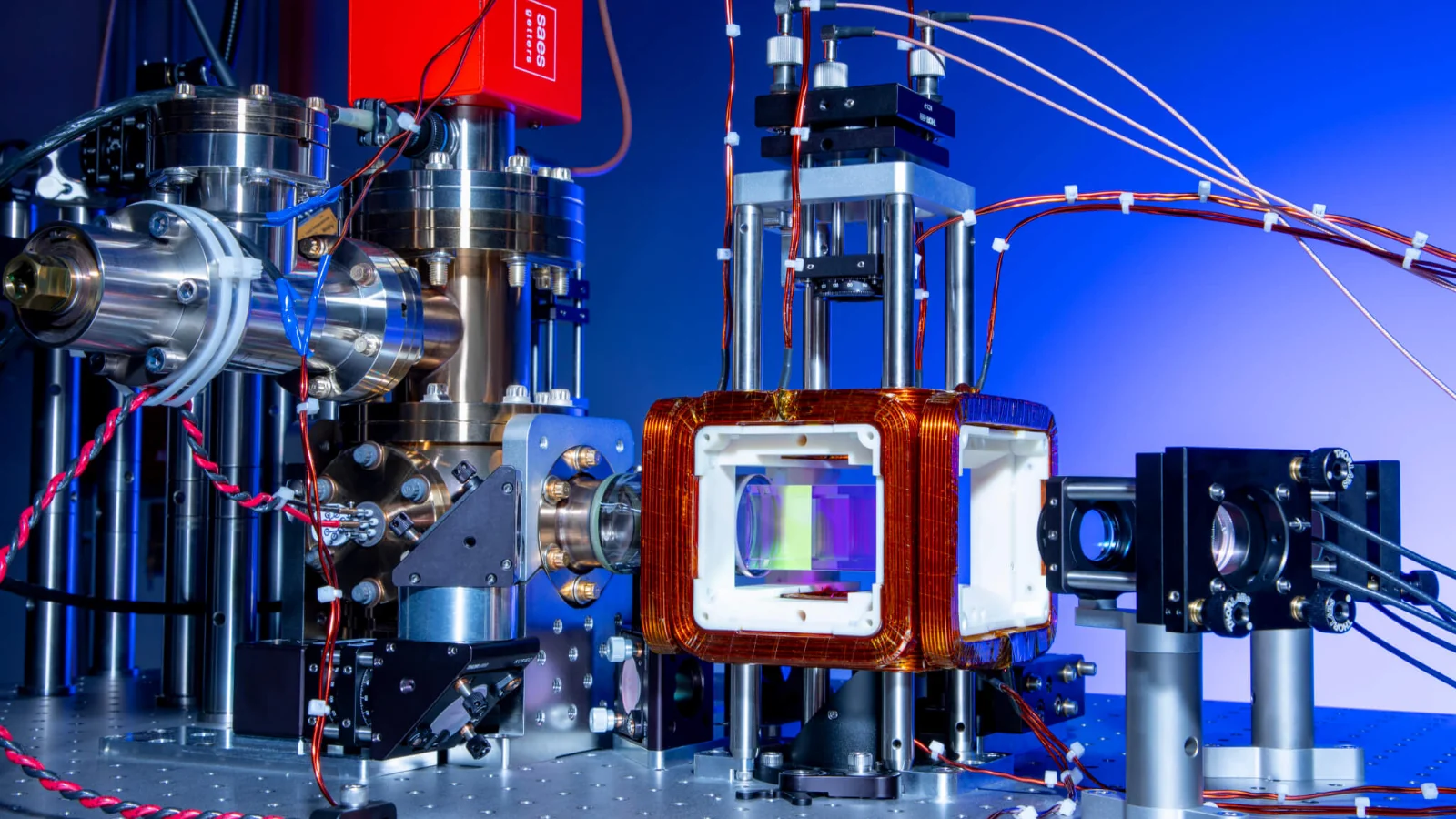
180 atoms reveal what happens before quantum matter settles down
A programmable atom array reveals temporary regimes before thermal equilibrium. The November 4 Nature paper follows a 2025 preprint, with experimental observations extending to four microseconds.
Peer-reviewed experiment; November 4 journal publication of work first preprinted in 2025
Peer-reviewed experimental paper ↗
A chipmaking ingredient gets a new job in quantum readout
Researchers combined a superconducting circuit element and a silicon quantum dot within one manufactured chip. The result concerns a sensitive component; a complete spin-readout demonstration remains ahead.
Peer-reviewed component experiment; journal publication follows a 2025 preprint
Peer-reviewed component experiment ↗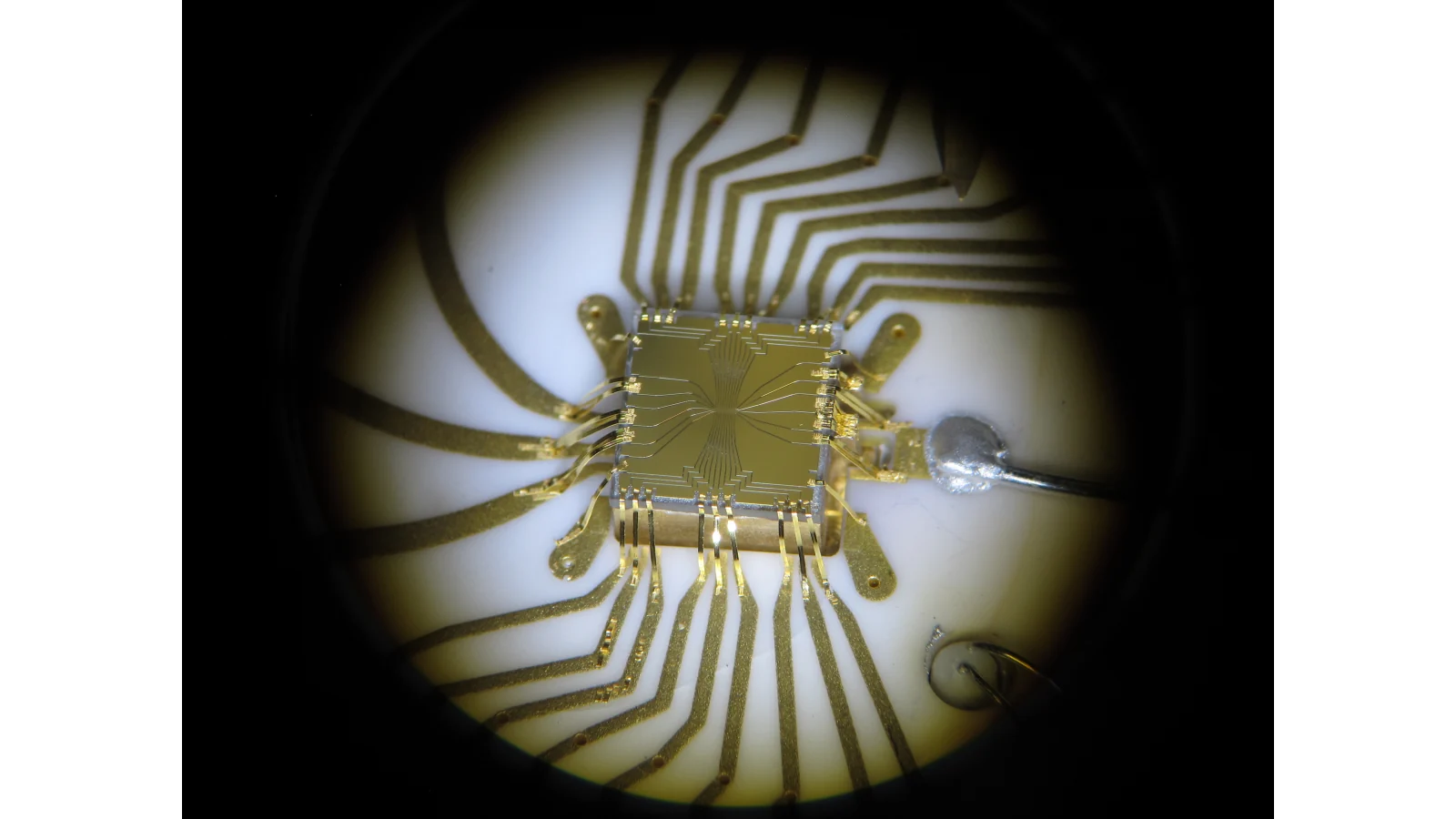
A quantum shortcut saved in one place—and cost more overall
An IonQ–Classiq model uses 3% fewer T states but 41% more physical hardware-time for one program. QubitWire explains why a smaller operation count can leave a larger total resource demand.
Company technical analysis; modeled fault-tolerant resources
IonQ–Classiq technical blog ↗Which number would you ask to see next?
For the atoms, ask how the pattern survives a changed experiment. For the component, look for integrated spin-readout accuracy. For the resource estimate, ask for the program, settings and complete schedule that another team can reproduce.
Compare the recorded evidence →From the headlines to the physics
Choose a research story, see how the science works or try a worked example.
Reader guide
Which edition am I reading?Each dated edition keeps its original story selection. The live preview shows the current picks.
A dated briefing preserves an editorial selection for that edition. Its linked articles can acquire corrections or additional context later, so the edition date and an article’s update date answer different questions. Use the archive to revisit what was selected at a particular time and the live preview to inspect the current selection.
When comparing editions, look for a changed claim or new evidence rather than assuming every repeated organization has produced a new technical result. Record the source date, the reported event date and the reason the item matters together. This makes a useful chronology without treating a new publication date as a new experiment.
The archive, preview and feed routes provide different ways to read the publication. A visible edition or feed is not a promise of email delivery, an individual alert or a fixed future publishing schedule. Check each route’s own description when choosing how to return.
Questions to take with you
Why can a linked article change while the edition stays dated?
The edition preserves its original selection. The article can carry later corrections or context. Reading both dates prevents those two records from being confused.
Does reading or bookmarking an edition join email delivery?
No such action is described here. Email signup and status have their own existing route and choices; this module does not submit or confirm a subscription.
Sources and what they show (1)
- Current on-site edition: What happens between the headline numbers? ↗QubitWire · Published 2026-11-04
3 stories in this dated edition. Older editions remain in the archive; the live preview is a separate, changing selection.
On-site publication does not establish email delivery. The signup is a launch list while scheduled email delivery remains inactive.