
Quantum stocks fall. The science keeps asking harder questions.
A sharp market selloff leads this edition, followed by the materials, connections and measurements that determine what quantum hardware can actually do. Six stories connect the headlines to the evidence, with fresh photography and clear explanations.
Published · Los Angeles · 6 selected storiesFollow the evidence further.
Move from the research to the physical mechanism, then work through the tradeoff yourself.
A useful way to read this page
Choose a route according to the question you want it to answer.
Reader guideBriefing: read a dated edition and a live preview for different purposesUse a fixed edition for its original selection, the archive for history and the preview for its currently displayed status.
A dated briefing preserves an editorial selection for that edition. Its linked articles can acquire corrections or additional context later, so the edition date and an article’s update date answer different questions. Use the archive to revisit what was selected at a particular time and the live preview to inspect the current selection.
When comparing editions, look for a changed claim or new evidence rather than assuming every repeated organization has produced a new technical result. Record the source date, the reported event date and the reason the item matters together. This makes a useful chronology without treating a new publication date as a new experiment.
The archive, preview and feed routes provide different ways to read the publication. A visible edition or feed is not a promise of email delivery, an individual alert or a fixed future publishing schedule. Check each route’s own description when choosing how to return.
Questions to take with you
Why can a linked article change while the edition stays dated?
The edition preserves its original selection. The article can carry later corrections or context. Reading both dates prevents those two records from being confused.
Does reading or bookmarking an edition join email delivery?
No such action is described here. Email signup and status have their own existing route and choices; this module does not submit or confirm a subscription.
Sources and their boundaries (1)
- Current on-site edition: A quantum clock goes to sea. What does the evidence show? ↗QubitWire · Published 2026-10-31
5 stories in this dated edition. Older editions remain in the archive; the live preview is a separate, changing selection.
On-site publication does not establish email delivery. The signup is a launch list while scheduled email delivery remains inactive.

The selloff, in perspective
IonQ, Rigetti, D-Wave and QCi all fell more than the S&P 500. The closing numbers and the company disclosures to watch next.
October 30 regular-session snapshot of four selected stocks. Price changes do not measure quantum performance.
Reuters: Wall Street closes sharply lower as AI cash burn fears spark tech selloff ↗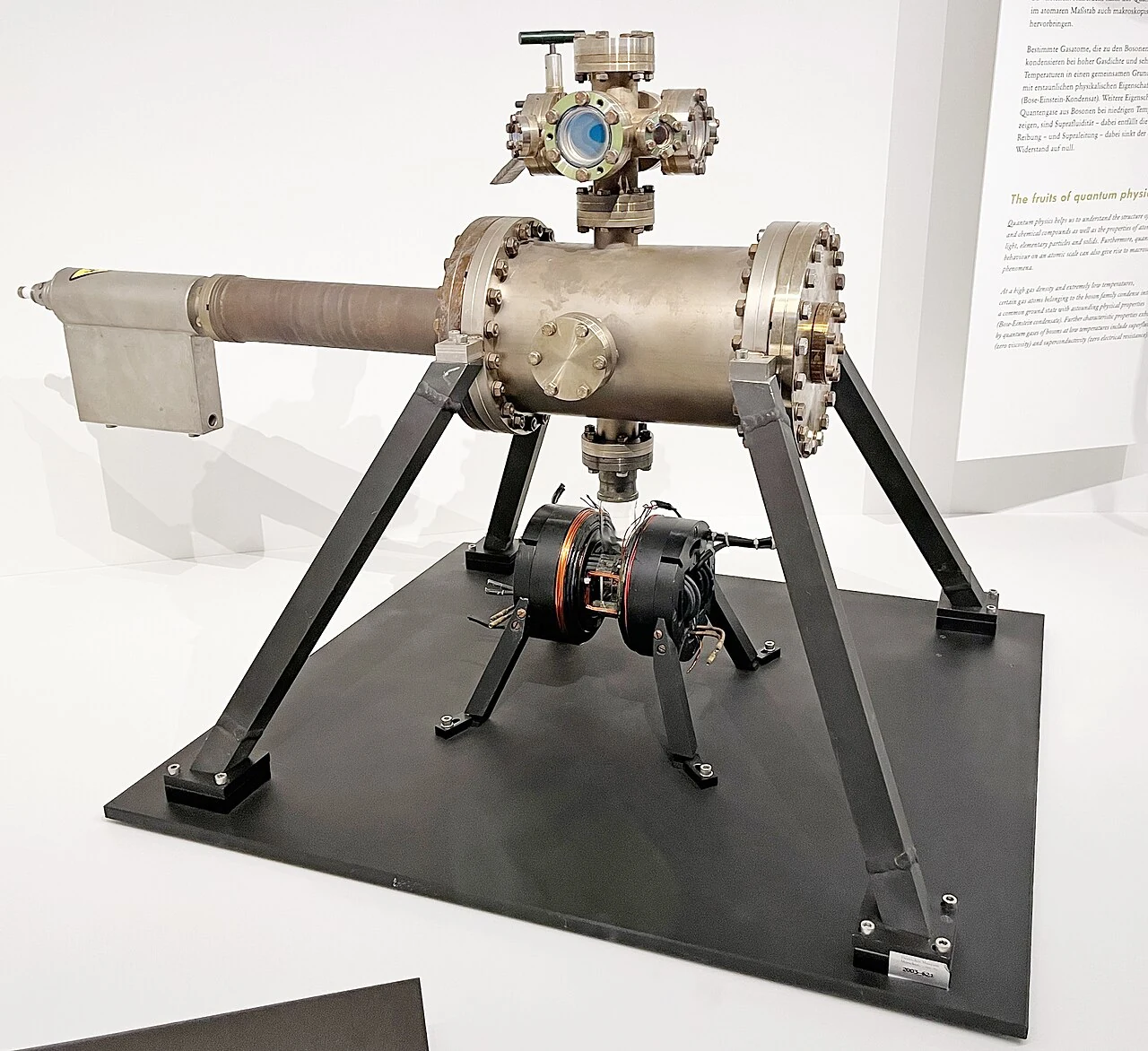
The pattern that moves when particles cannot
An ultracold-atom experiment follows mobile pairs of defects through a constrained lattice. The new milestone is peer-reviewed publication.
Published in Nature Physics October 30; the experiment first appeared as a November 2025 preprint.
Multiparticle quantum walks in a dipole-conserving Bose–Hubbard model ↗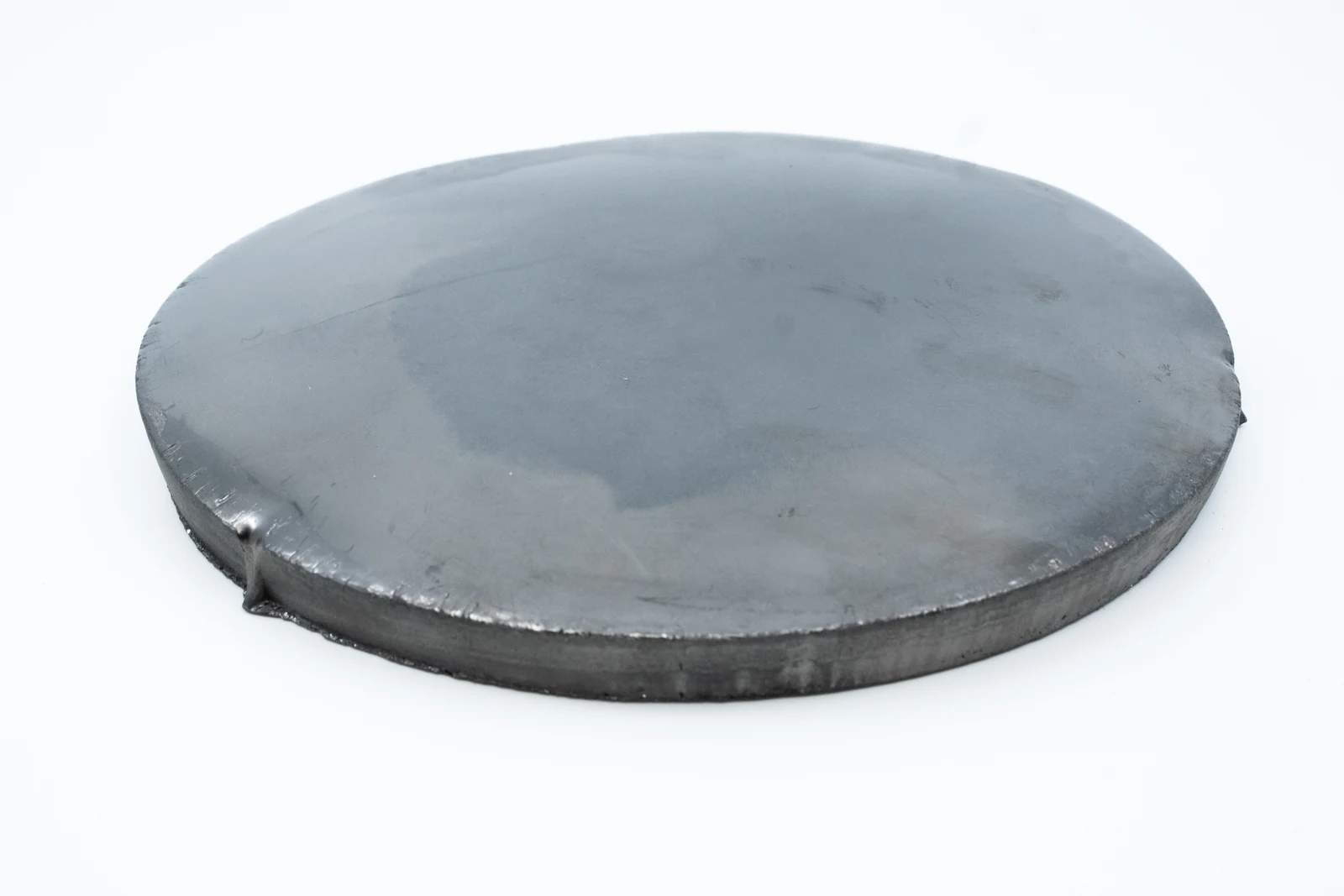
A transparent material meets a demanding test
Wolfspeed has introduced optical-grade silicon carbide. Its promise will be tested in the devices researchers build from it.
Supplier introduction on October 29. A material launch does not establish a working quantum device.
Wolfspeed commercially introduces transparent silicon carbide technology ↗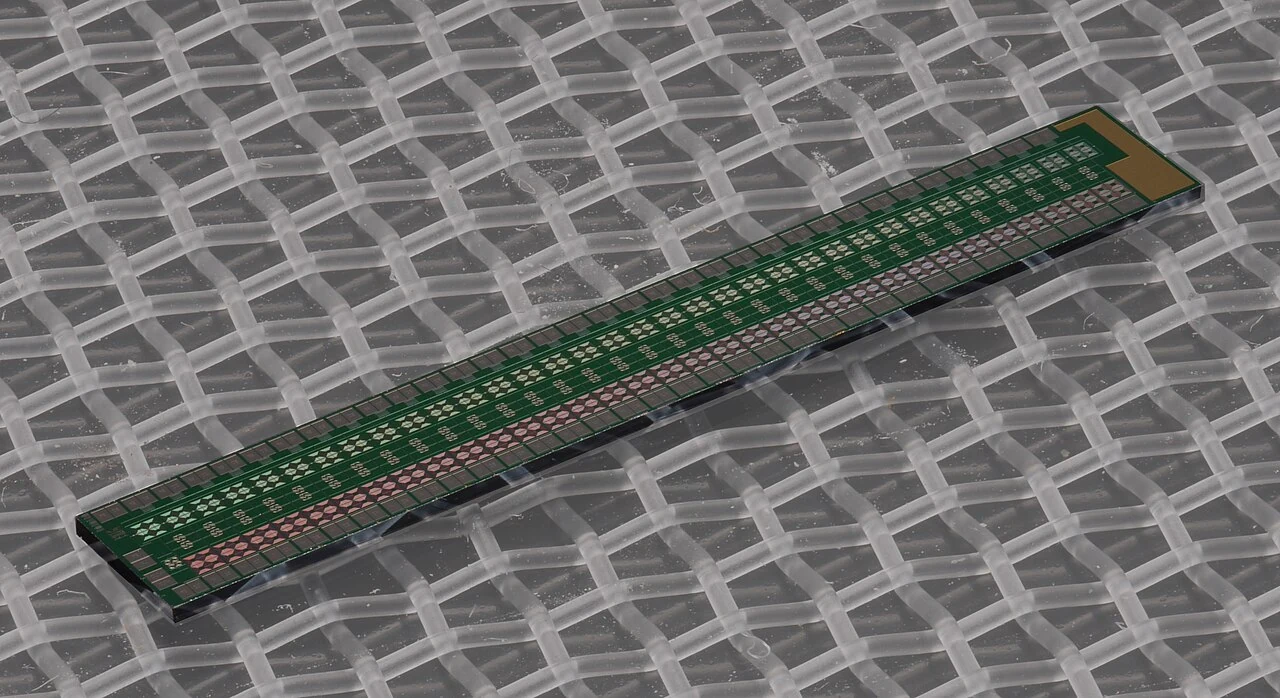
The junction between two quantum paths
A cryogenic experiment examines a small junction for quantum hardware. Its response to temperature, tuning and signal strength is the useful story.
Early peer-reviewed journal version published October 29; original preprint November 2025.
Experimental characterization of the qubit-mediated coupling between two waveguides ↗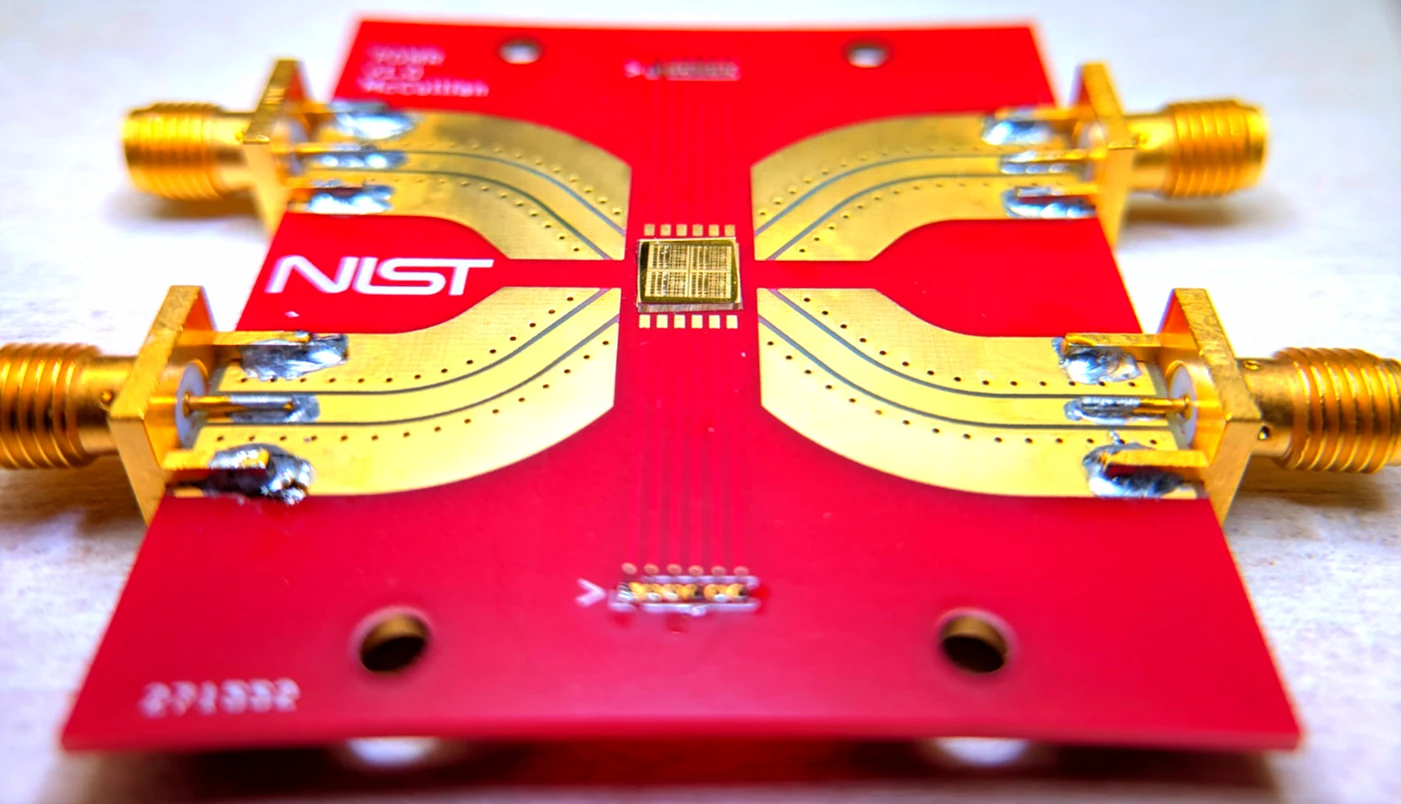
Why a weaker signal could make a better sensor
A new theoretical protocol trades a smaller response for longer protection from noise. The proposal concerns rare pulses under stated assumptions.
Theory and simulation, newly peer-reviewed October 30. No new detector has been demonstrated.
Rare-Event Quantum Sensing Using Logical Qubits ↗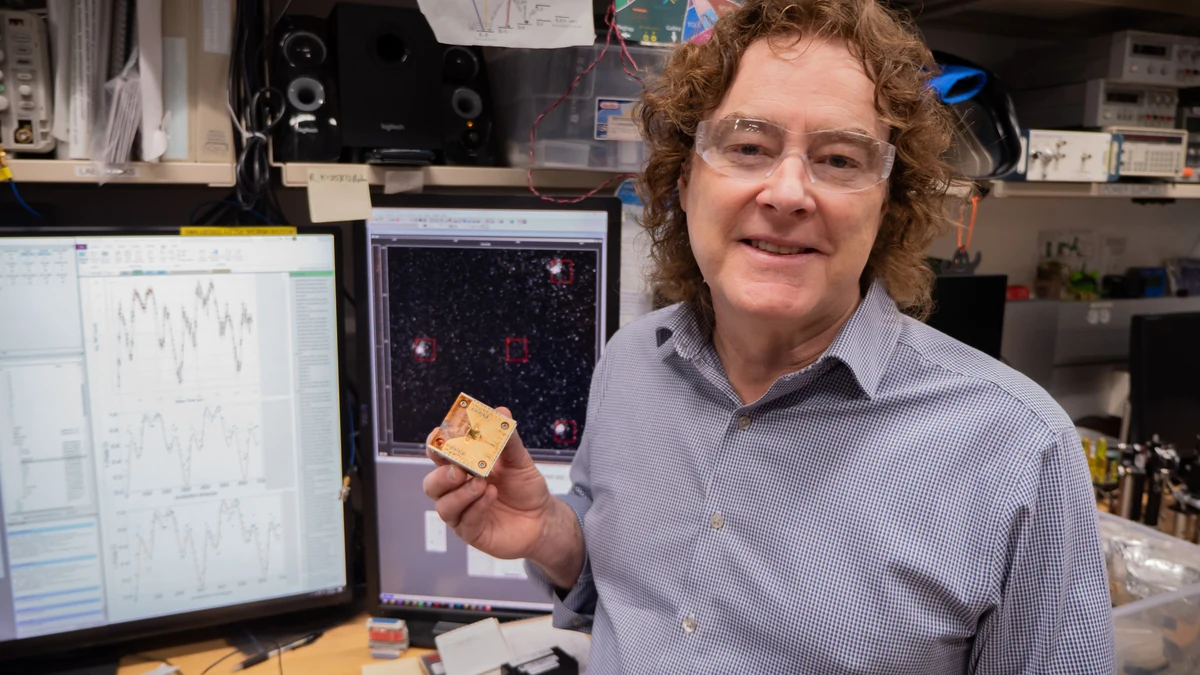
The work of running the machines
QuantrolOx's funding backs automation and practical training. The useful test is how much dependable laboratory work those tools deliver.
€12 million Series A2 announced October 26. Planned growth and supplier capabilities remain distinct from independently measured operating gains.
QuantrolOx raises €12 million Series A2 to industrialise quantum hardware and expand globally ↗What has changed: the price, the component or the capability?
The market table captures one session. The research reports answer specific scientific questions. The industry announcements open new tests for products and workflows. Keeping those forms of progress separate makes each story more useful.
Compare the recorded evidence →