Hardware2 min read
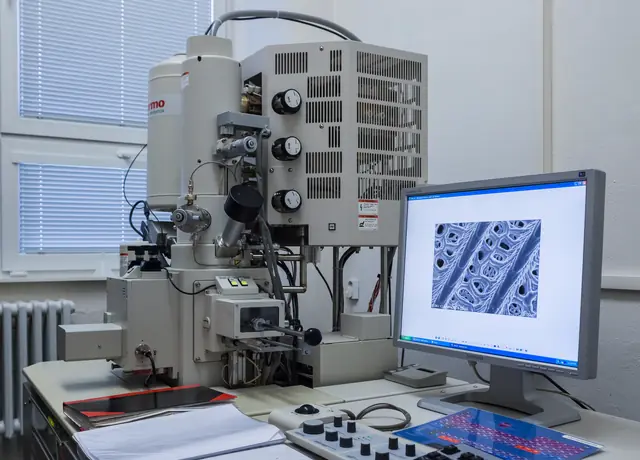
The supplier links its light subsystems to Infleqtion’s sensor work. The referenced $20 million follow-on award was announced in August and belongs to Infleqtion.
Hardware2 min read
A scanning-probe study defines how to measure etched device edges. The contribution is a reproducible measurement method, with the link to qubit lifetime still to establish.
Hardware3 min read
A tunable capacitor improves charge detection in two-dimensional devices. The October announcement describes a study published in August.
Hardware3 min read
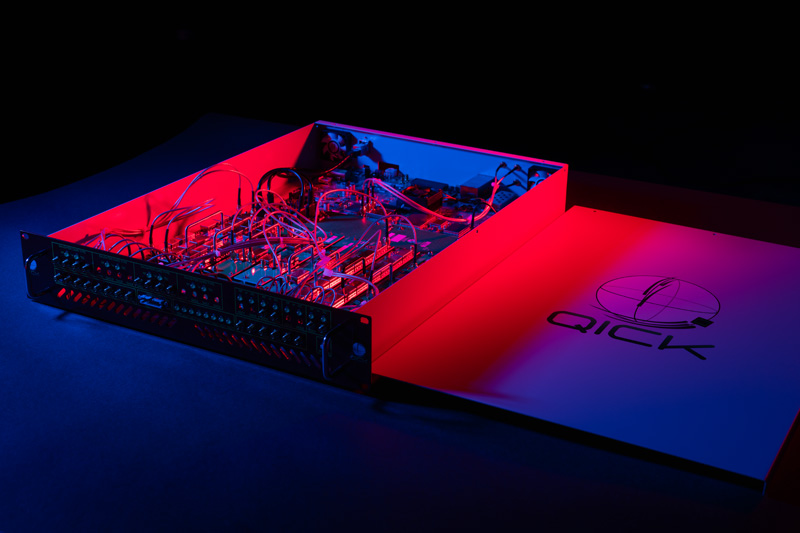
SpinControl connects configurable instruments, calibration and circuit execution. Reproducibility depends on retaining the physical settings behind each result.
Hardware3 min read
Charge sensing gives zinc oxide devices a diagnostic tool. Spin control and coherence remain separate milestones to demonstrate.
Hardware4 min read
A numerical study makes the location of phase controls part of the state-preparation search.
Hardware4 min read
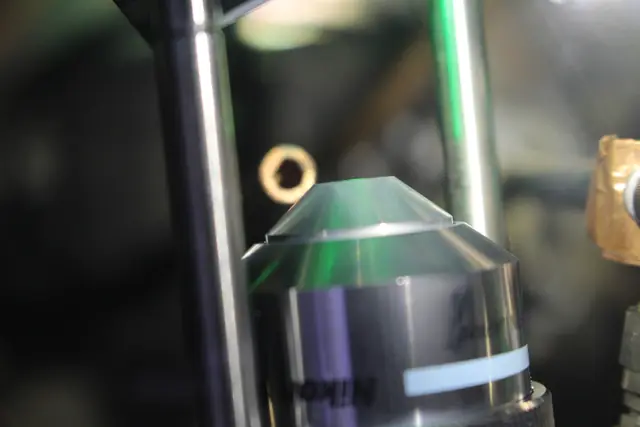
Recent context from October 8–12: fabricated visible-light components illustrate why inverse design must include manufacturing tolerance.
Hardware4 min read
An October 13 theory study compares broadband amplifier noise under matched response and coupling constraints.
Hardware4 min read
A theoretical control study asks how partial knowledge of static errors changes the shortest cancellation cycle.
Hardware3 min read
A new atom-transport study links fast hologram calculation to the optical sequence that prepares a working array.
Hardware4 min read
A hardware preprint tests ideal graph-transfer constructions while keeping encoding, phase and noisy performance distinct.
Hardware4 min read
A distinct Willow memory experiment connects layered checks, corridor geometry and classical decoding.
Hardware4 min read
Long-lived environmental states make the timing and correlation of errors part of the hardware story.
Hardware2 min read
Google’s Willow experiment reduced magic-state errors. Fidelity, retained measurements and quality after transfer still measure different things.
Hardware2 min read
A nuclear-spin experiment raises a practical question: what survives a complete operation?
Hardware3 min read
A company benchmark accelerates training. Complete calibration and live feedback require separate measurements.
Hardware2 min read
The hybrid experiment demonstrates direction-dependent microwave transmission. Its 4-decibel isolation result also shows why qubit-level protection remains a separate test.
Hardware2 min read
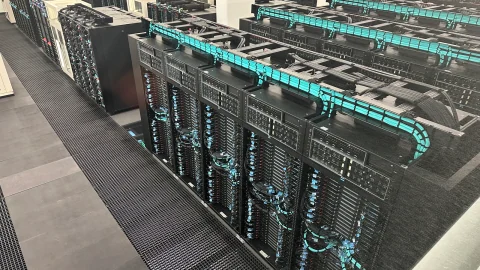
The NVQLink proof of concept connects control electronics to GPU decoding. It does not yet perform real-time error correction.
Hardware3 min read
A familiar Minnesota manufacturing team remains behind D-Wave’s hardware. Device quality and repeatability explain why the factory relationship matters.
Hardware3 min read
An October 8 preprint tests a thin material layer intended to block harmful vibrations. Its microwave losses stay low, but extra noise shows why protection needs a whole-device test.
Hardware3 min read
An experimental ion-to-diamond link reports 1.03(1) kHz entanglement at 87.9(7)% fidelity. Its next test is what connected devices can reliably do together.
Hardware3 min read
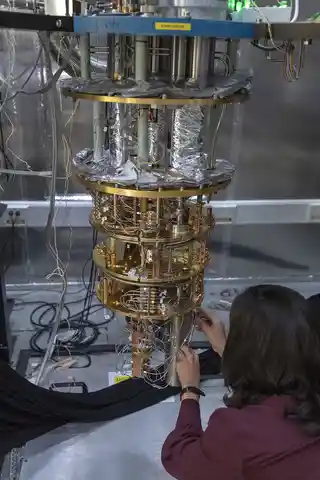
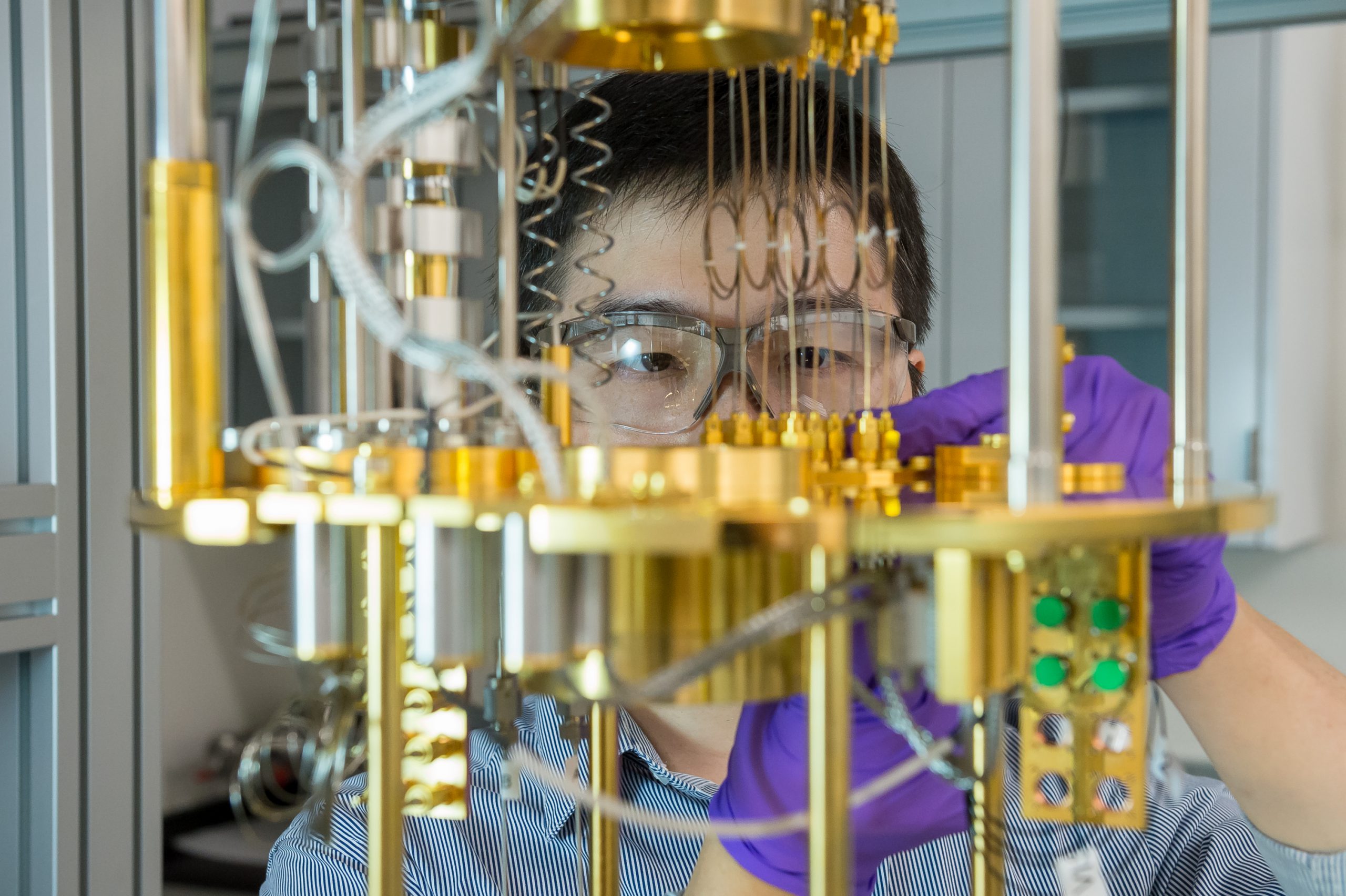
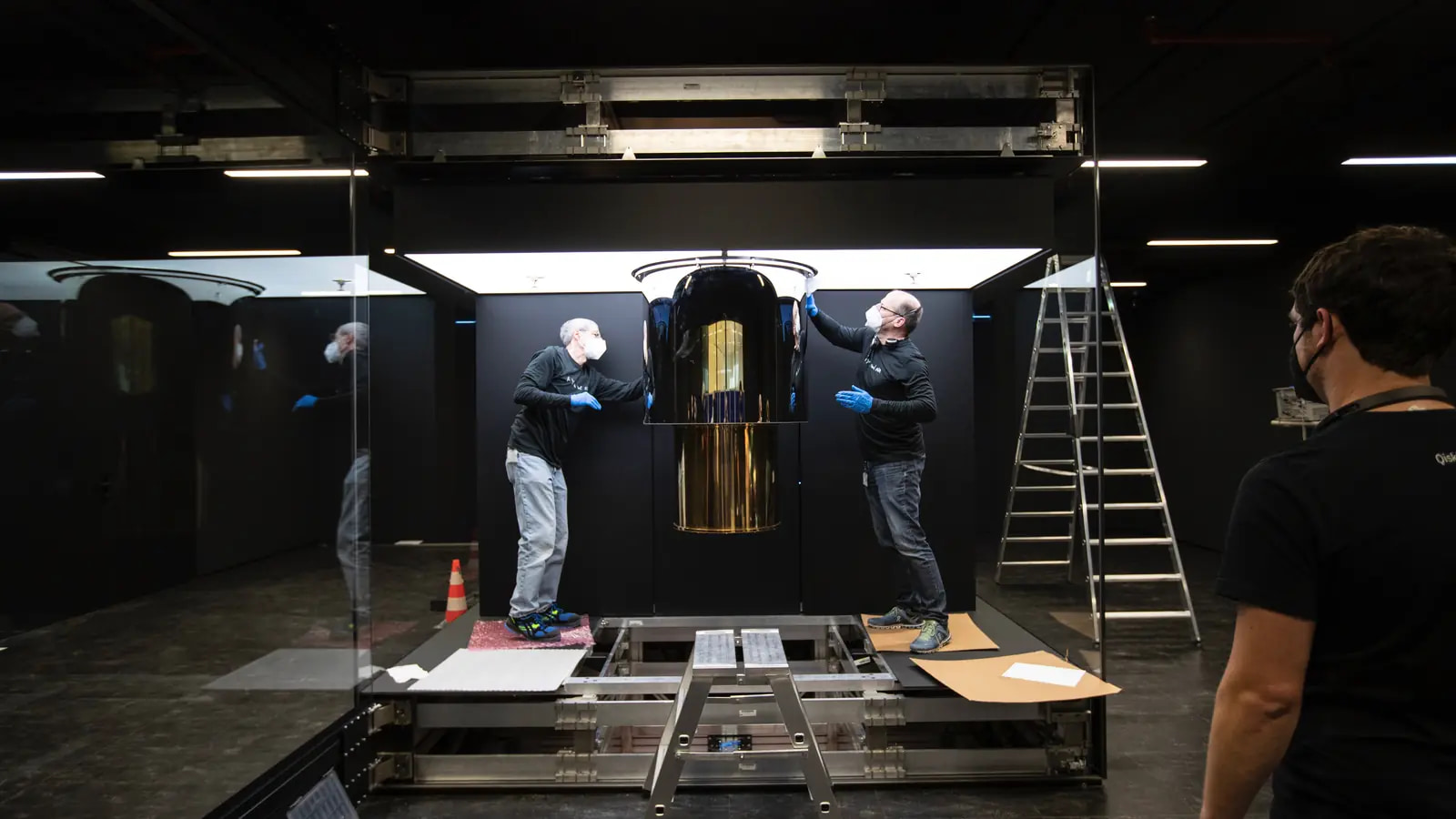
The processor attracts the camera. Signals, calibration, interfaces and maintenance determine whether the installation can turn more qubits into dependable work.
Hardware3 min read
A new Quobly–SiPearl agreement asks how a quantum processor should fit into a conventional computing system. The interface and the complete workflow are still work to be demonstrated.
Hardware4 min read
An expanded Infineon–ZuriQ partnership puts the factory question in focus: how does a promising quantum device become a machine that can be built again?