Applications2 min read
You can design a small circuit at home and submit it to remote quantum hardware. The first lesson is telling a real chip from a simulation.
Security2 min read
Blind quantum computing aims to hide your instructions and answer from the machine doing the work. A real experiment shows why that is more than a thought experiment.
Applications2 min read
A 2026 study tackles a much-discussed quantum-computing target without a quantum processor. The classical competition is not standing still.
Security2 min read
Encrypted information stolen today could still matter years from now. That changes when organizations need to prepare.
Research2 min read
A quantum annealer explored how an apparently stable state falls apart. Its “bubbles” stayed inside an engineered model, not our universe.
Hardware2 min read
A continuously replenished array held more than 3,000 atoms for over two hours. The hard part is replacing them without disturbing their neighbors.
Research2 min read
Researchers held one branch of an atomic wave still while another fell. Reuniting them revealed a distinctive gravitational phase.
Applications2 min read
A tiny Australian prototype can take in light, store energy and deliver electrical current. Its strangest trick is how it scales.
Research2 min read
A 62-kilometer fiber link near Washington carried entanglement through a messy real-world environment. Reliability, not distance, is the story.
Research2 min read
A new Chalmers method targets a slow step in controlling protected quantum information, not every calculation a quantum computer performs.
Applications2 min read
Sandia is guiding cold atoms along a 420-nanometer fiber—a step toward motion sensors that would not need a satellite signal.
Applications2 min read
Grover’s algorithm can cut the number of checks dramatically, but understanding what counts as a check explains both its promise and its limits.
Hardware2 min read
In trapped-ion machines, getting the right qubits together can mean giving the atoms a carefully controlled commute.
Research2 min read
An experiment with vibrating aluminum membranes shows how mechanical motion can join the quantum-information toolkit.
HardwareExplainer2 min read
A missing atom can be useful hardware, and different diamond designs have very different ideas about staying cool.
HardwareExplainer2 min read
Laser tweezers turn single atoms into movable quantum bits, and the resulting grid is something researchers can actually photograph.
HardwareExplainer2 min read
The glamorous hardware in quantum-computer photos has a surprisingly practical job: keeping a tiny processor extraordinarily cold.
ApplicationsExplainer2 min read
A 56-qubit machine and several supercomputers tackled a surprisingly tricky question: can you trust someone else’s digital coin toss?
ResearchExplainer2 min read
Google’s qubits settled into an unusual repeating rhythm, giving researchers a new way to explore how matter behaves.
ResearchExplainer2 min read
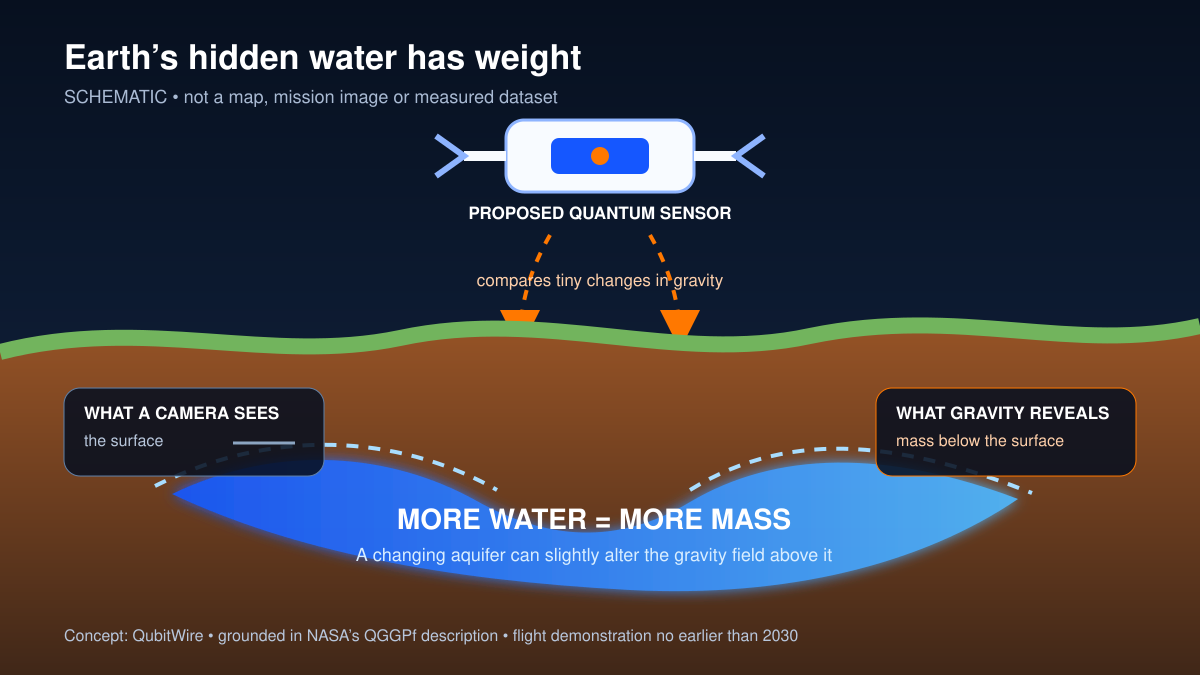
Cold atoms could let an orbital pathfinder detect tiny gravity differences caused by shifting water and ice—but it is not mapping aquifers yet.
Research2 min read
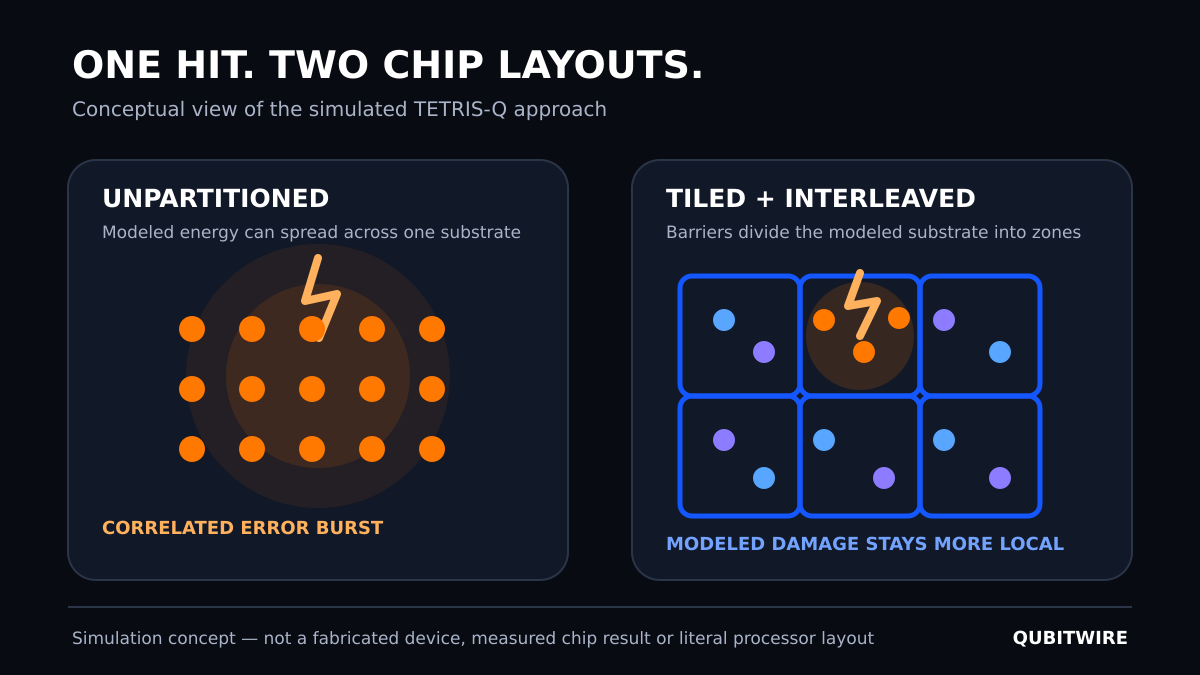
A simulated chip layout uses barriers and shuffled error-correction codes to keep one radiation hit from becoming a whole-chip problem.
Business + Policy2 min read
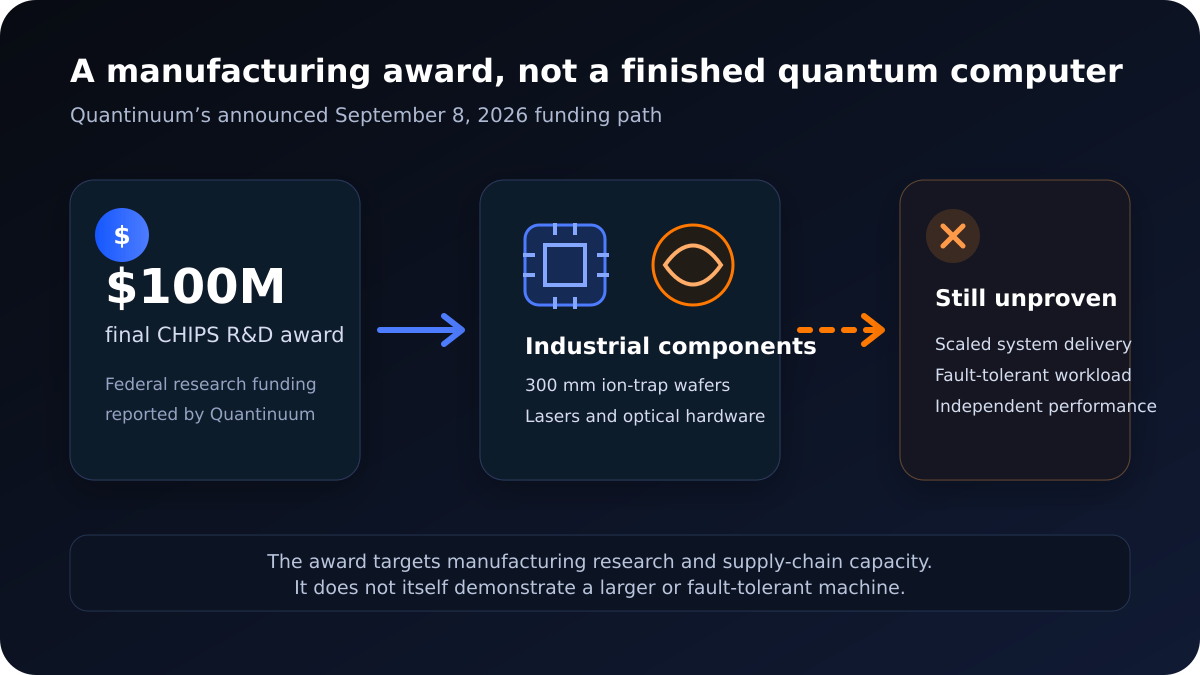
The federal agreement targets ion-trap manufacturing and optical components, not a finished fault-tolerant computer.
HardwareExplainer2 min read
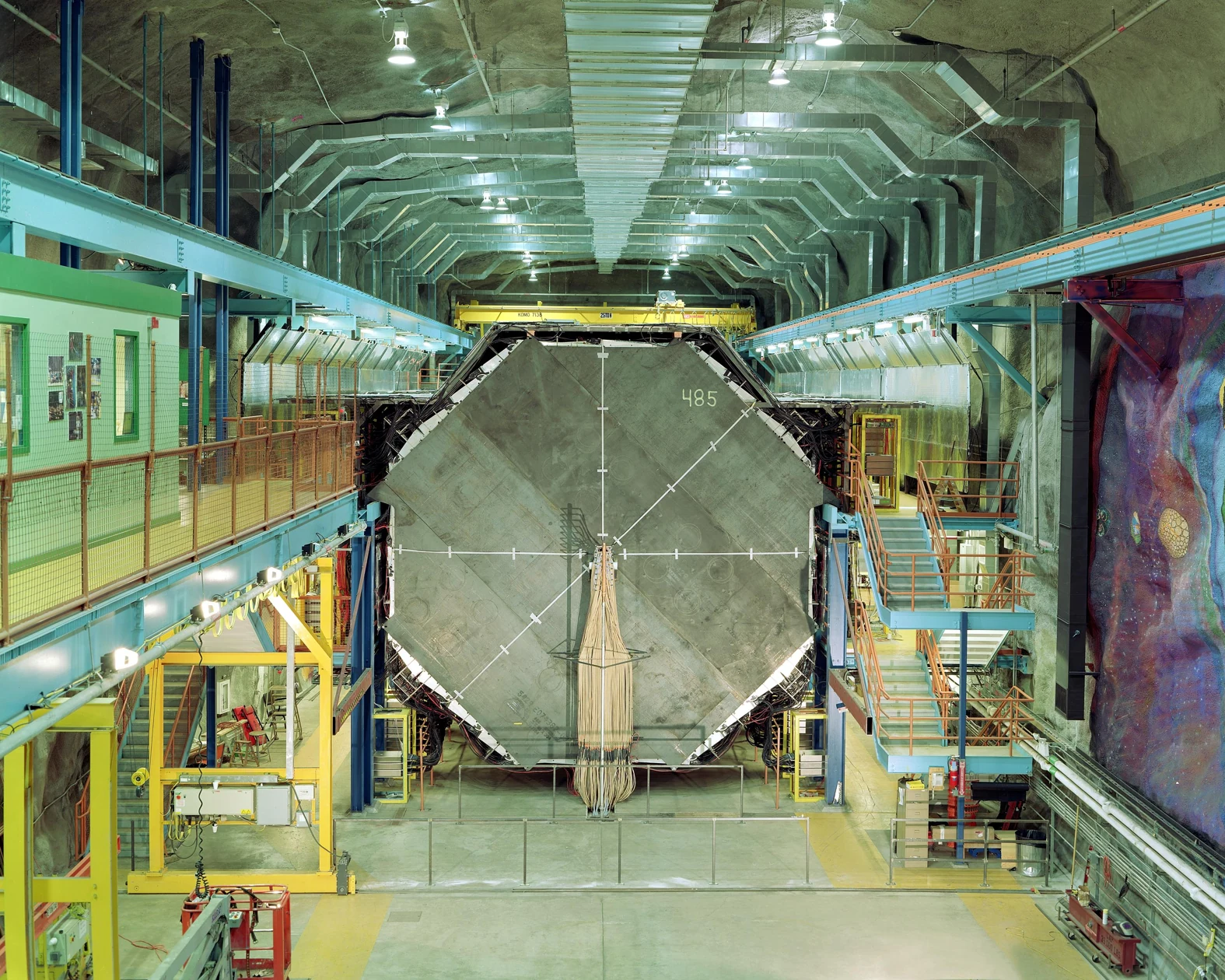
A tiny energy deposit can spread trouble across a superconducting chip. Understanding those bursts takes researchers from particle detectors to underground laboratories.
ApplicationsExplainer2 min read
Behind the futuristic hardware, familiar processors translate, rehearse and make sense of the experiment. Their job descriptions are surprisingly busy.