Research2 min read
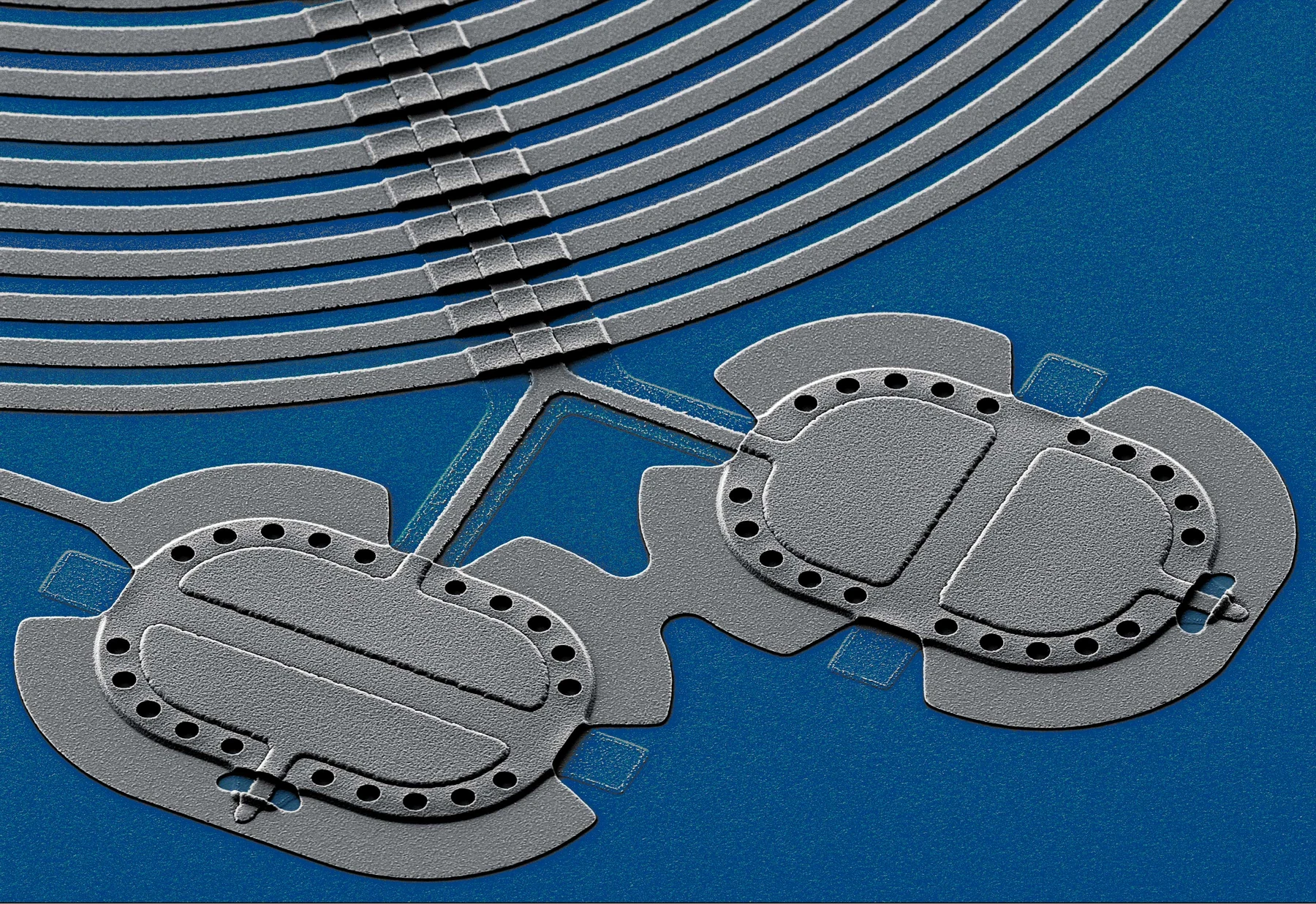
An experiment with vibrating aluminum membranes shows how mechanical motion can join the quantum-information toolkit.
HardwareExplainer2 min read
A missing atom can be useful hardware, and different diamond designs have very different ideas about staying cool.
HardwareExplainer2 min read
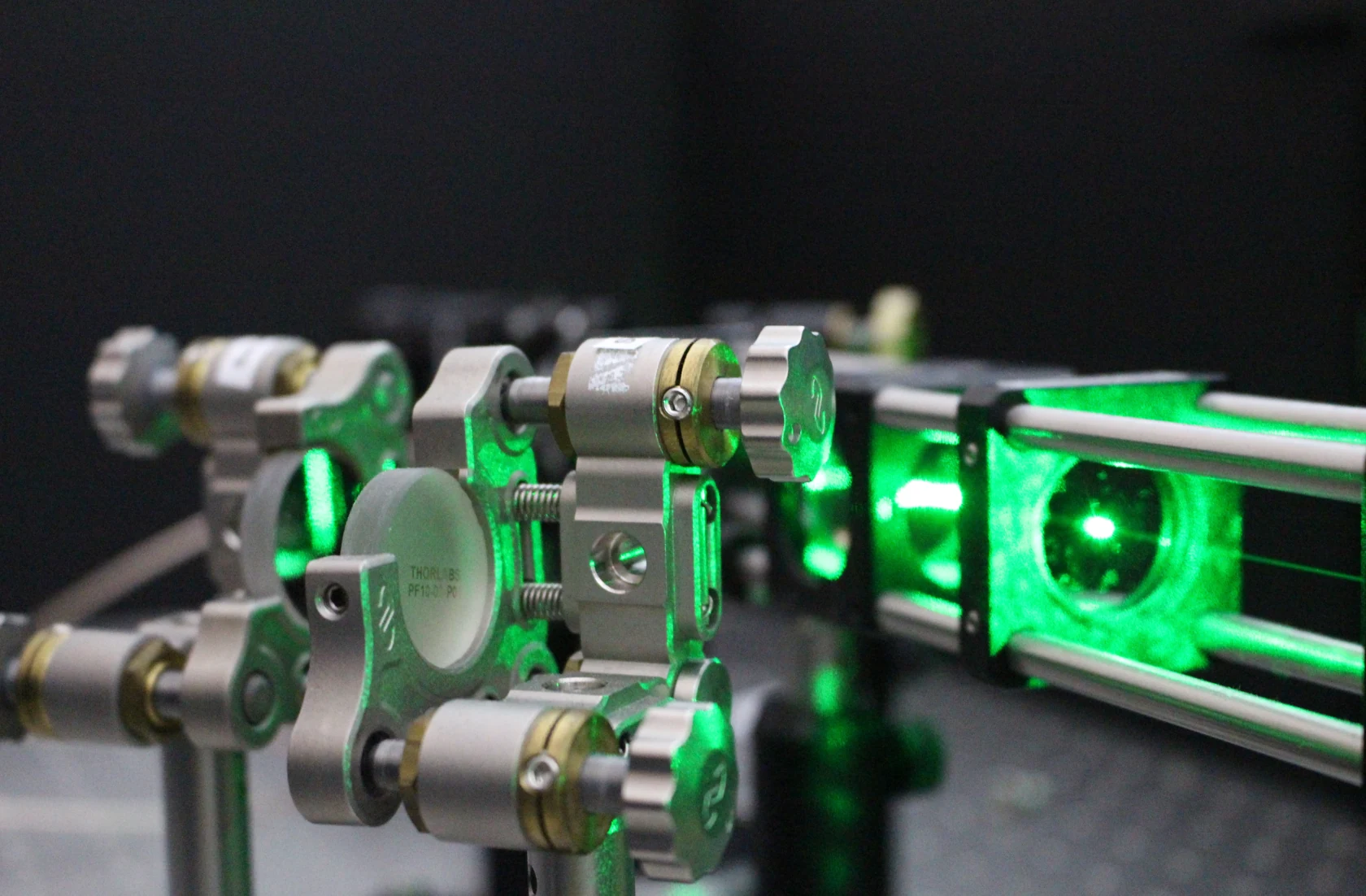
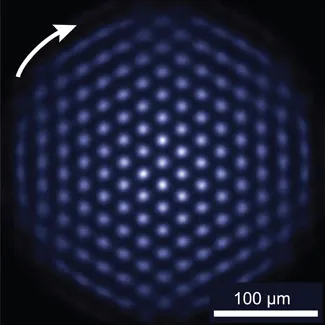
Laser tweezers turn single atoms into movable quantum bits, and the resulting grid is something researchers can actually photograph.
HardwareExplainer2 min read
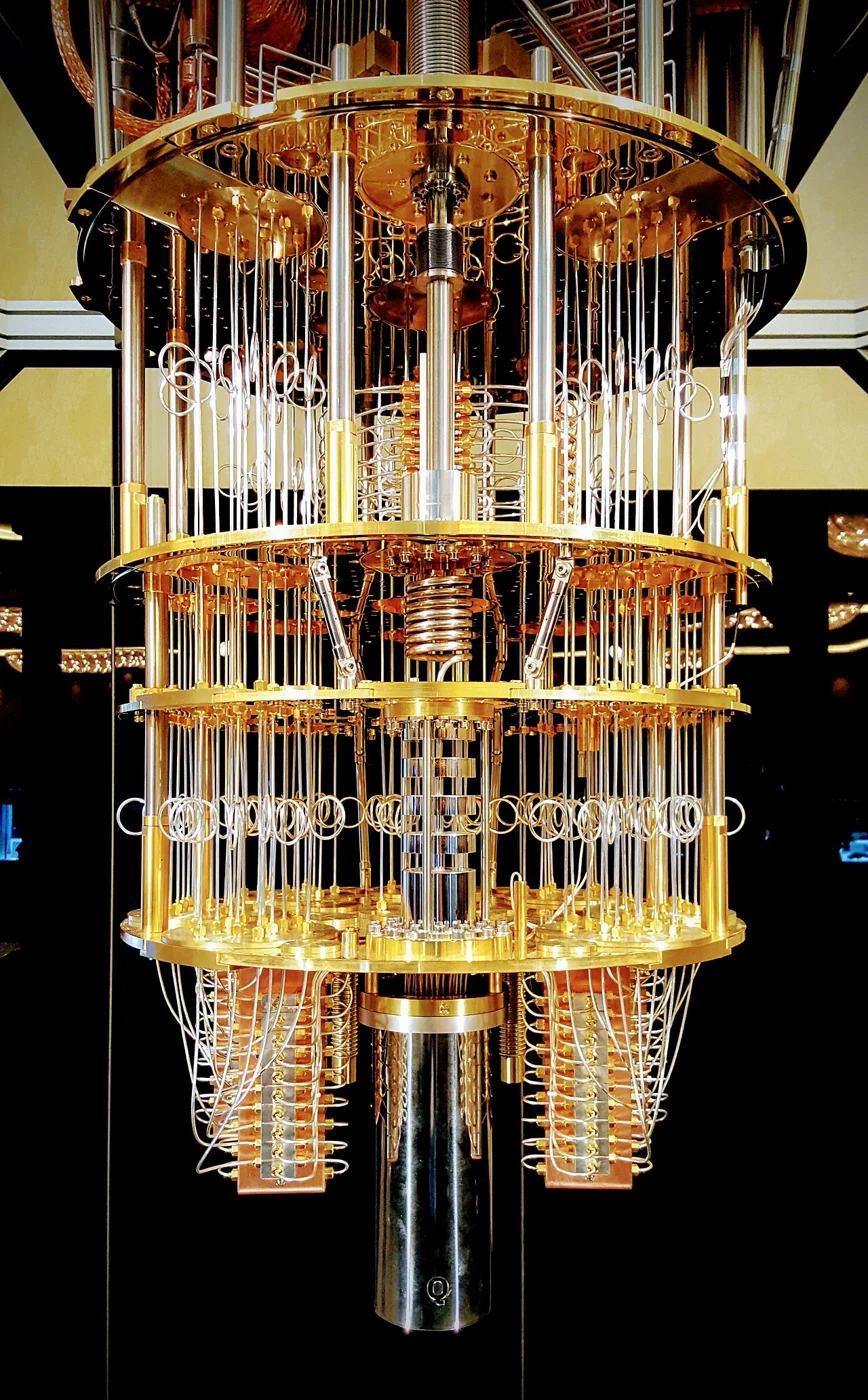
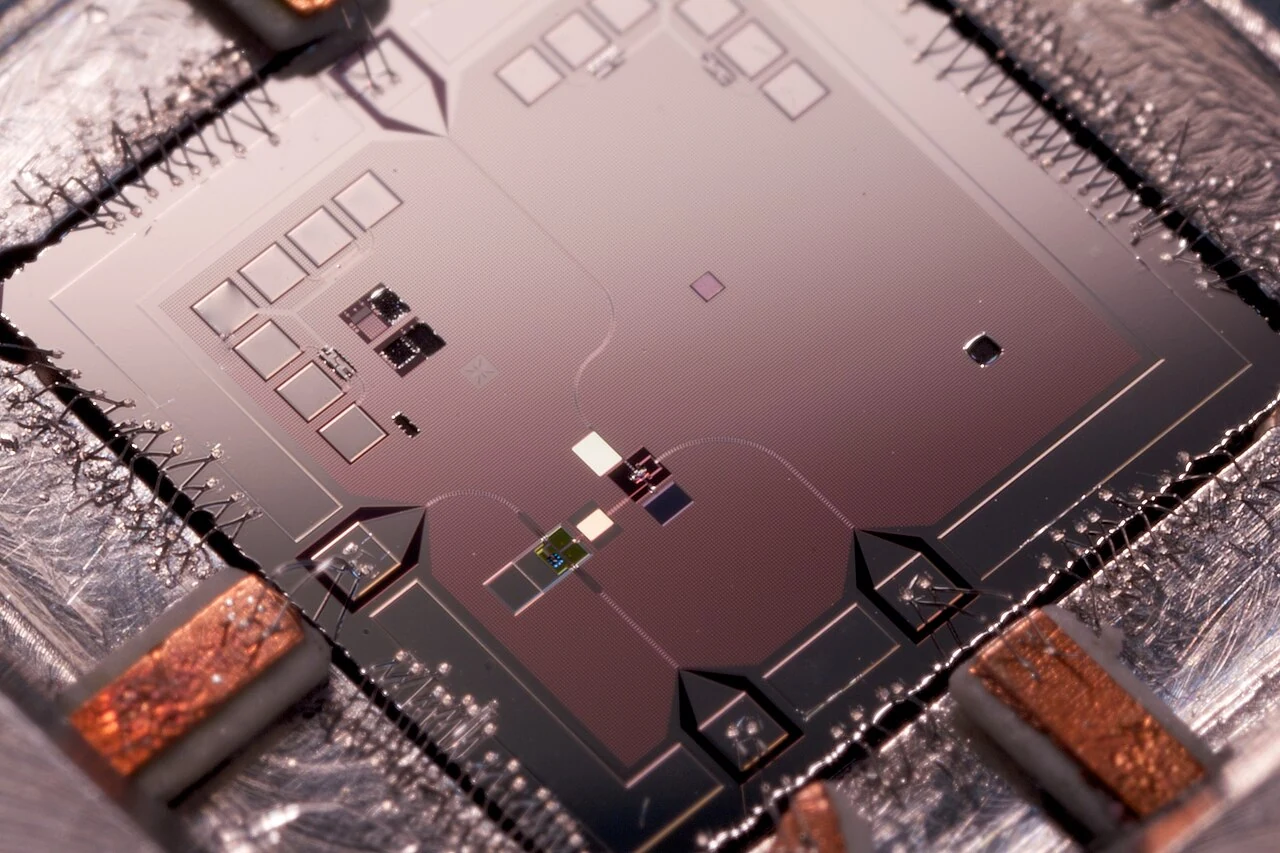
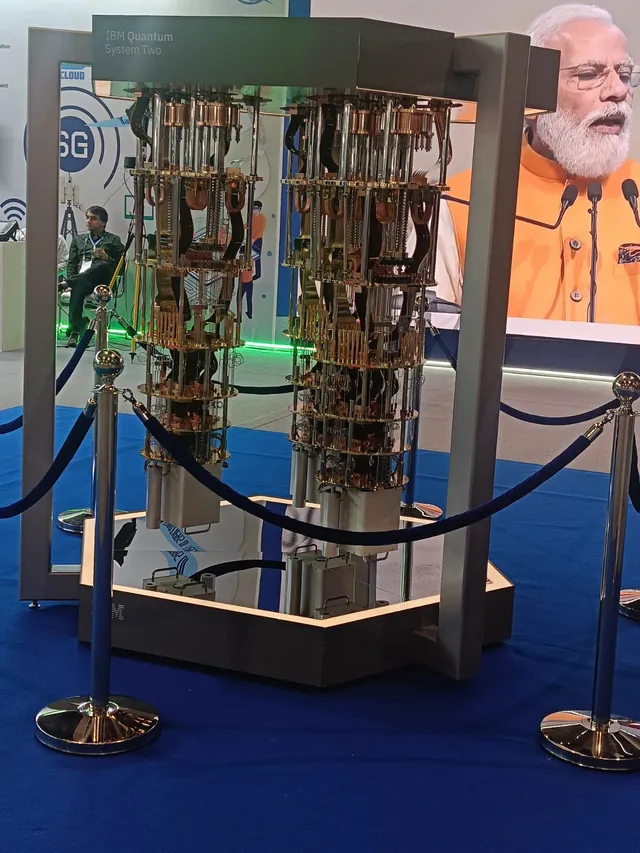
The glamorous hardware in quantum-computer photos has a surprisingly practical job: keeping a tiny processor extraordinarily cold.
ApplicationsExplainer2 min read
A 56-qubit machine and several supercomputers tackled a surprisingly tricky question: can you trust someone else’s digital coin toss?
ResearchExplainer2 min read
Google’s qubits settled into an unusual repeating rhythm, giving researchers a new way to explore how matter behaves.
ResearchExplainer2 min read
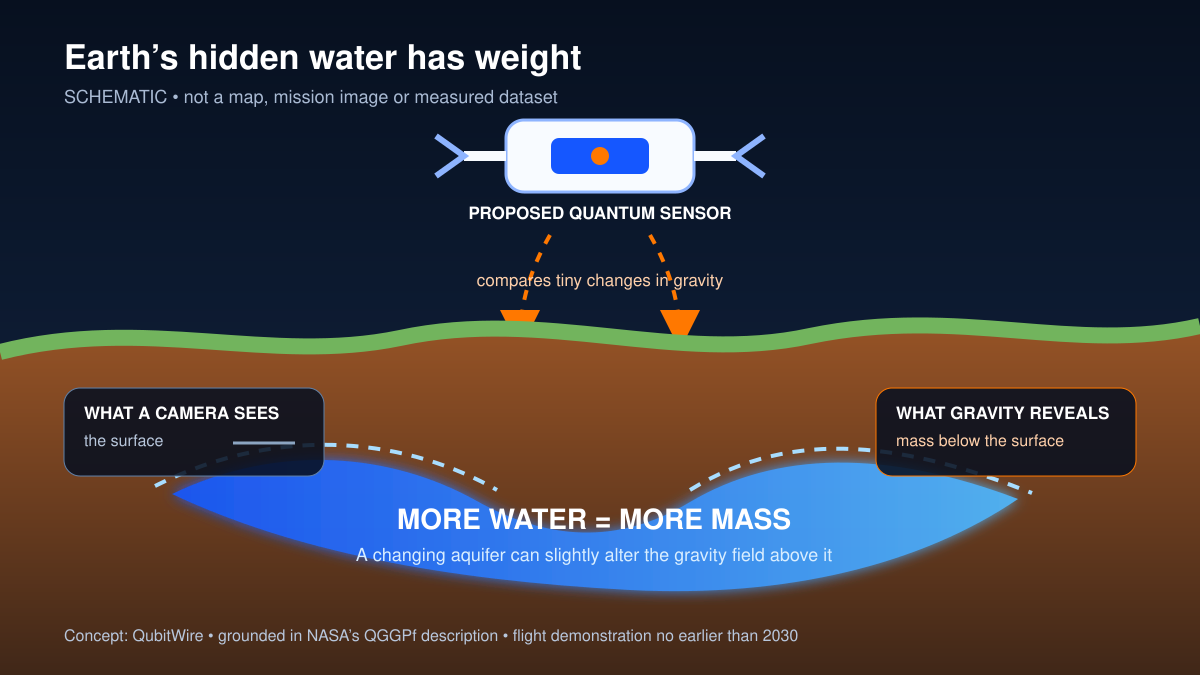
Cold atoms could let an orbital pathfinder detect tiny gravity differences caused by shifting water and ice—but it is not mapping aquifers yet.
Research2 min read
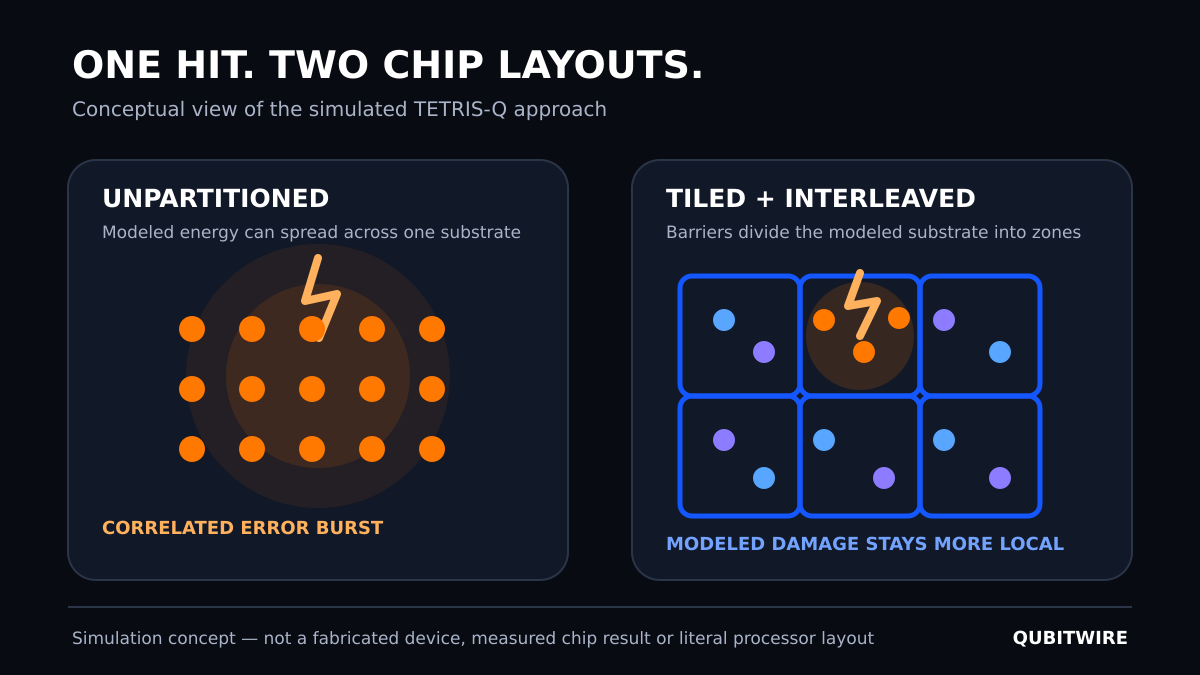
A simulated chip layout uses barriers and shuffled error-correction codes to keep one radiation hit from becoming a whole-chip problem.
Business + Policy2 min read
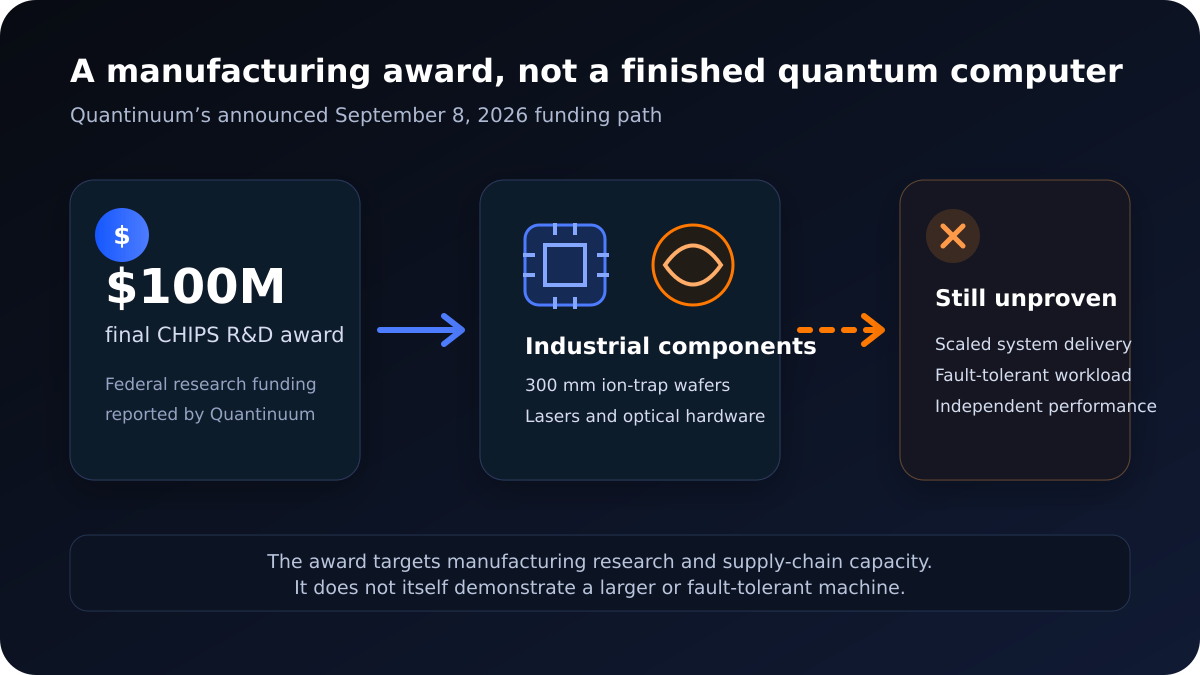
The federal agreement targets ion-trap manufacturing and optical components, not a finished fault-tolerant computer.
HardwareExplainer2 min read
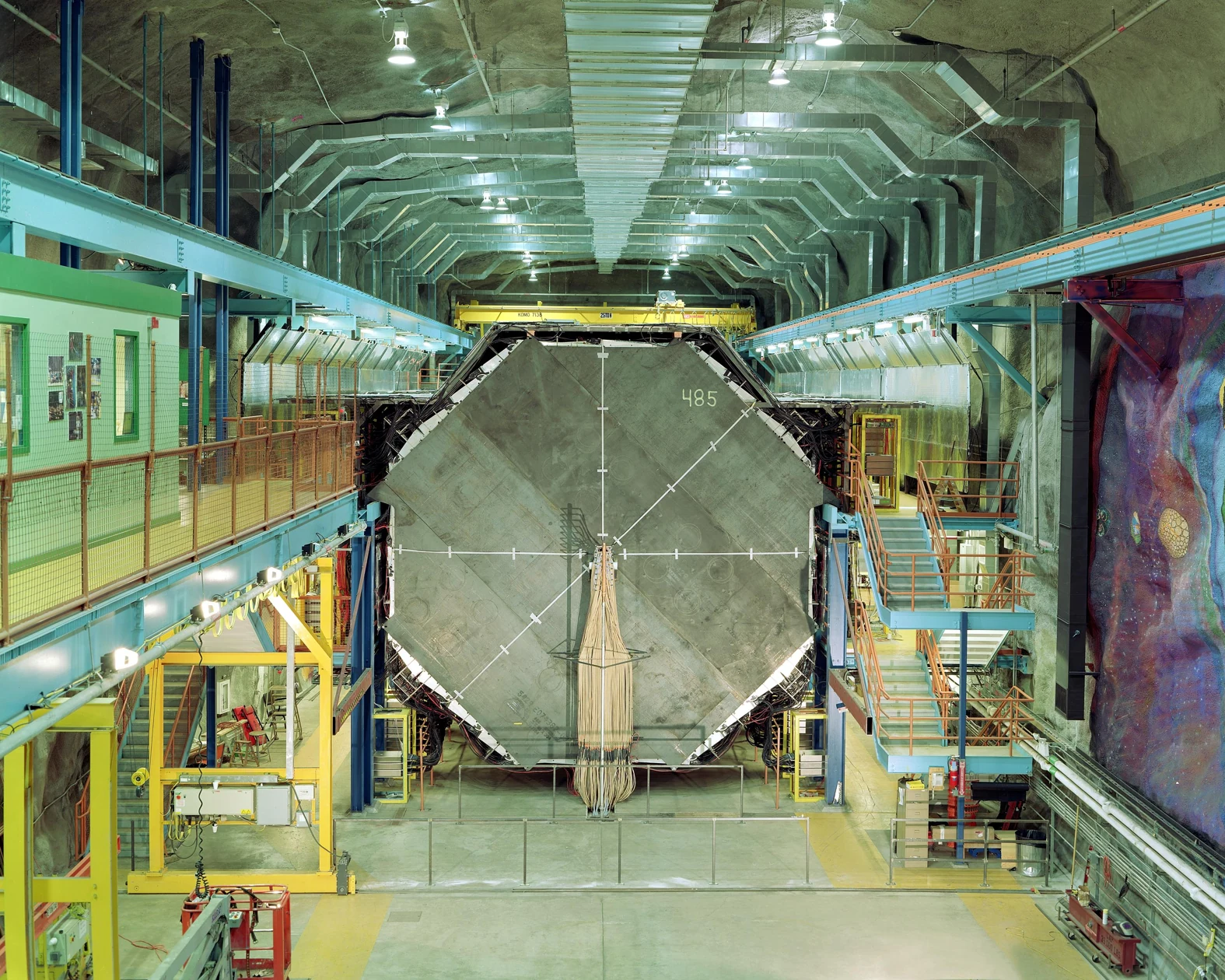
A tiny energy deposit can spread trouble across a superconducting chip. Understanding those bursts takes researchers from particle detectors to underground laboratories.
ApplicationsExplainer2 min read
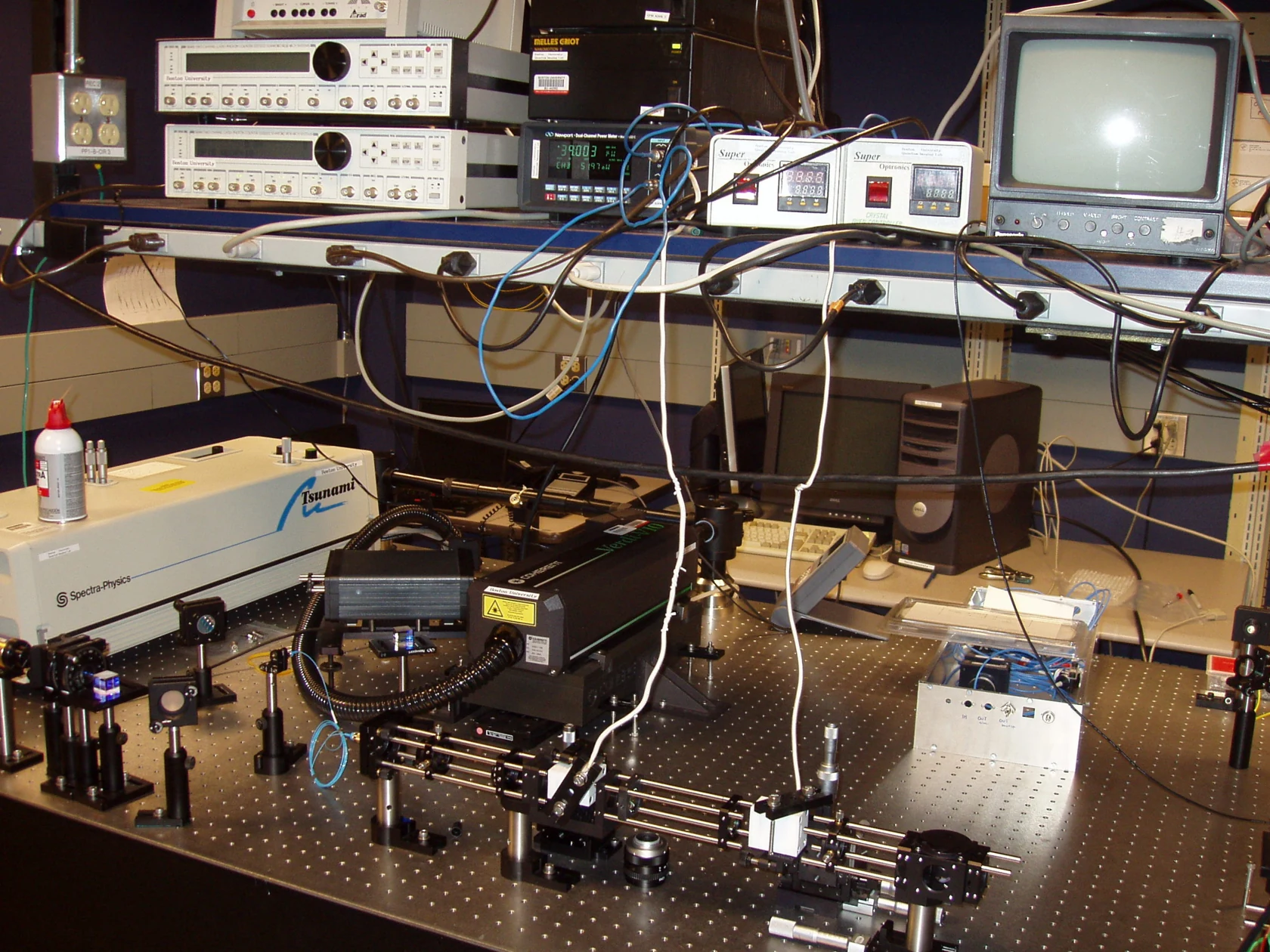
Behind the futuristic hardware, familiar processors translate, rehearse and make sense of the experiment. Their job descriptions are surprisingly busy.
ResearchExplainer2 min read
The state can arrive without a travelling original. But the receiver still needs a message, the sender loses the state, and the connection gets used up.
ApplicationsExplainer2 min read
A quantum program can leave temporary information tangled with its answer. The cleanup trick is to carefully undo part of the calculation.
ResearchExplainer2 min read
Repeated results can look inconsistent even on a perfect quantum device. The useful answer often lives in the pattern that emerges across many runs.
Hardware2 min read
Qolab will be a lead customer for SkyWater's SC250 wafer platform, but the partners disclosed no new quantum-processor benchmark or shipment.
Applications2 min read
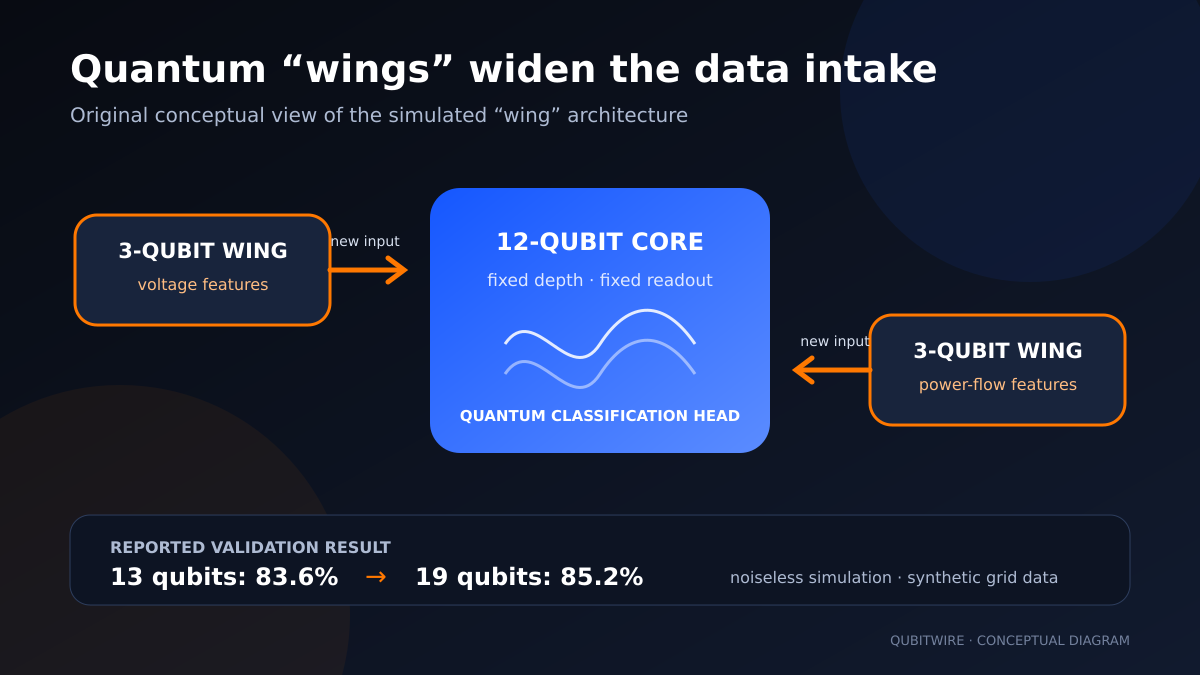
A simulated quantum classifier gained 1.6 percentage points by feeding new sensor features into small side modules—not by simply adding circuit capacity.
Research2 min read
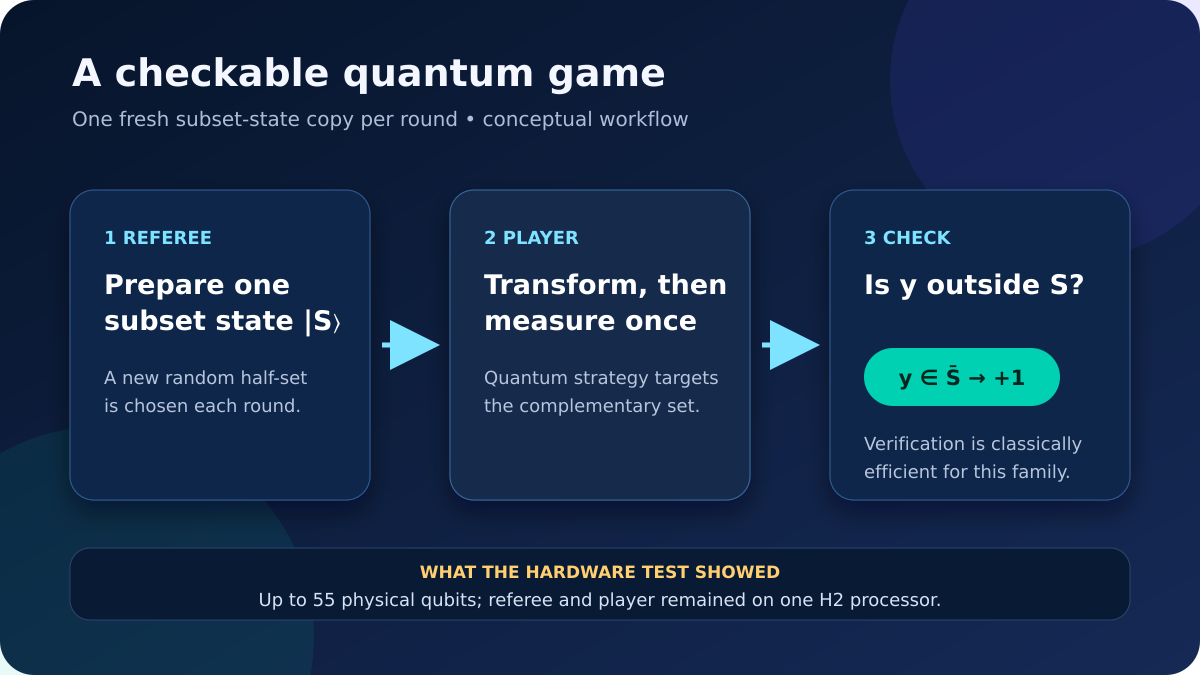
H2 beat the optimal classical score in an efficiently checked experiment, but this was a device test—not a useful computational speedup.
Hardware2 min read
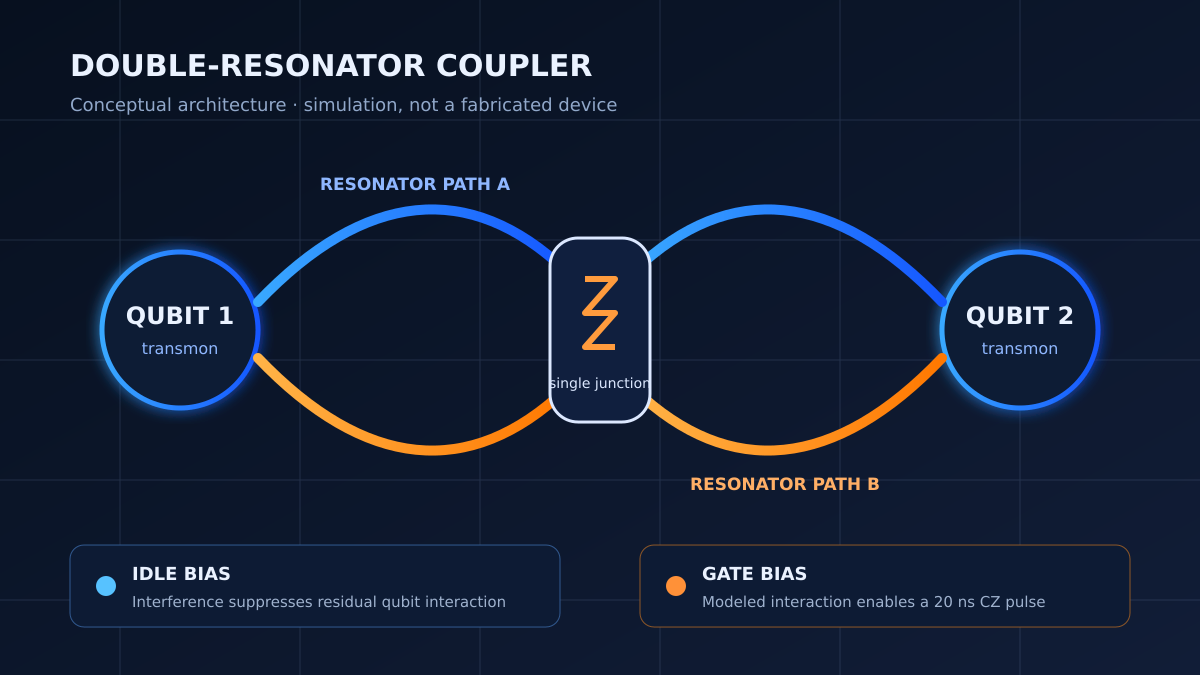
A proposed superconducting circuit uses two resonator paths to suppress idle coupling, but its speed and error figures remain simulation results.
Business + Policy2 min read
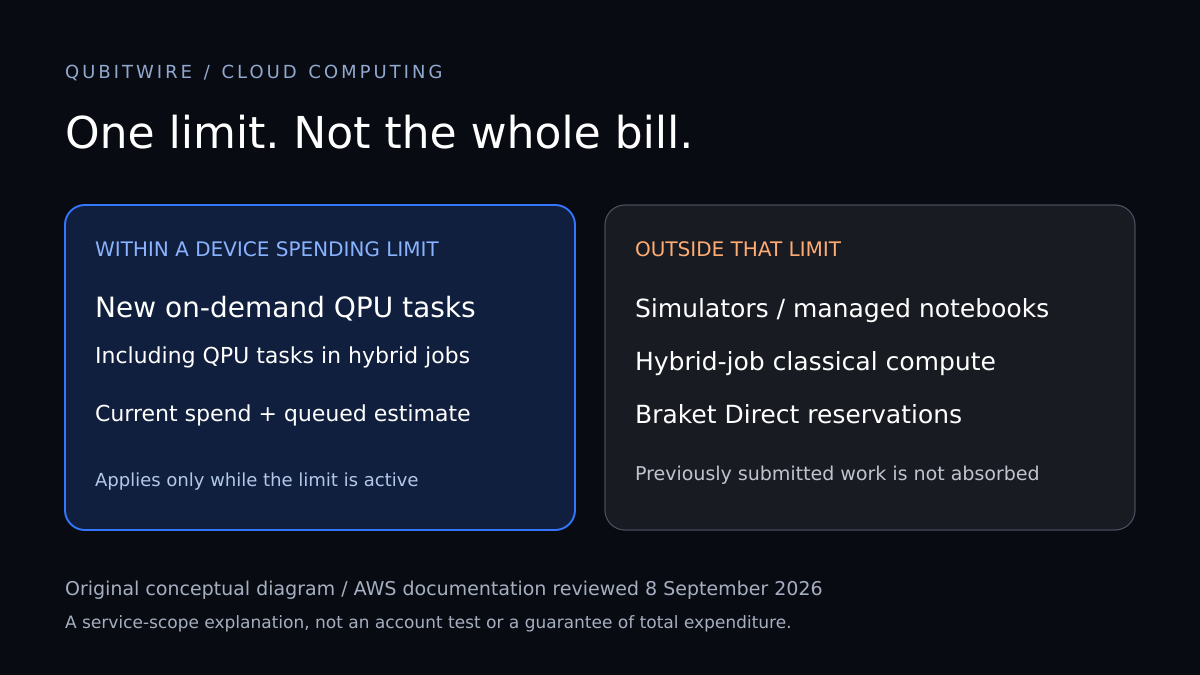
Amazon Braket can reject quantum tasks before they exceed a device limit, but that control is not a ceiling on the whole cloud bill.
Hardware2 min read
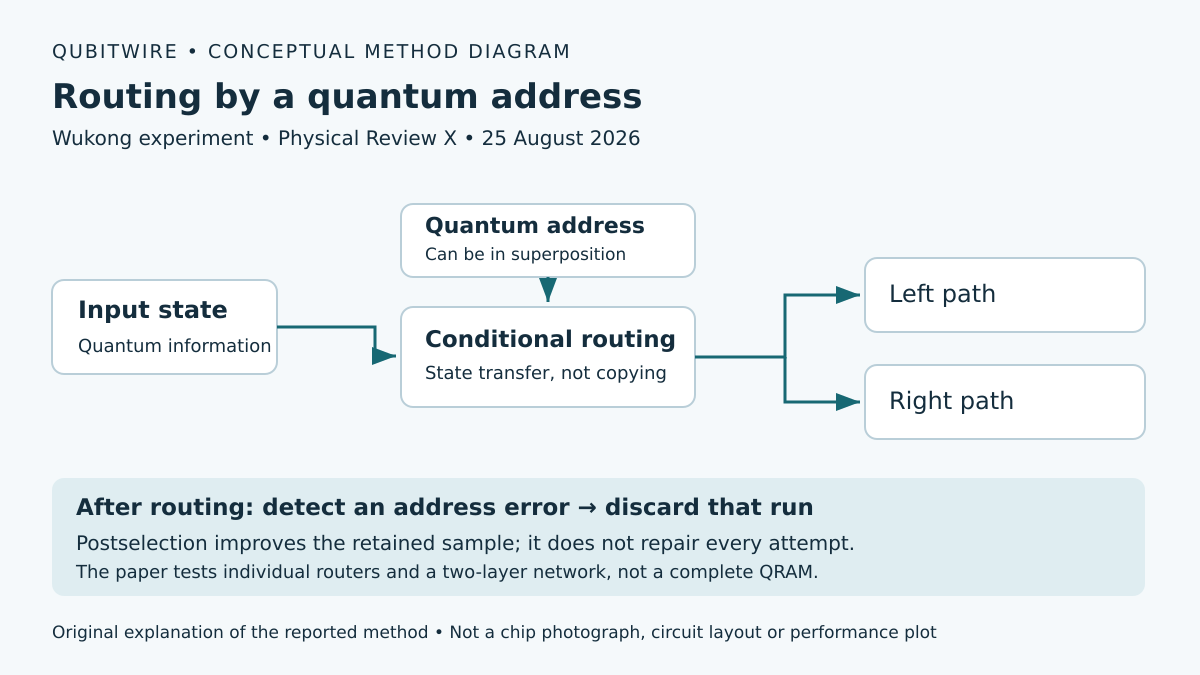
A ten-transmon experiment routes data by quantum address, while 82.4% two-layer fidelity and discarded runs expose the scaling cost.
Research2 min read
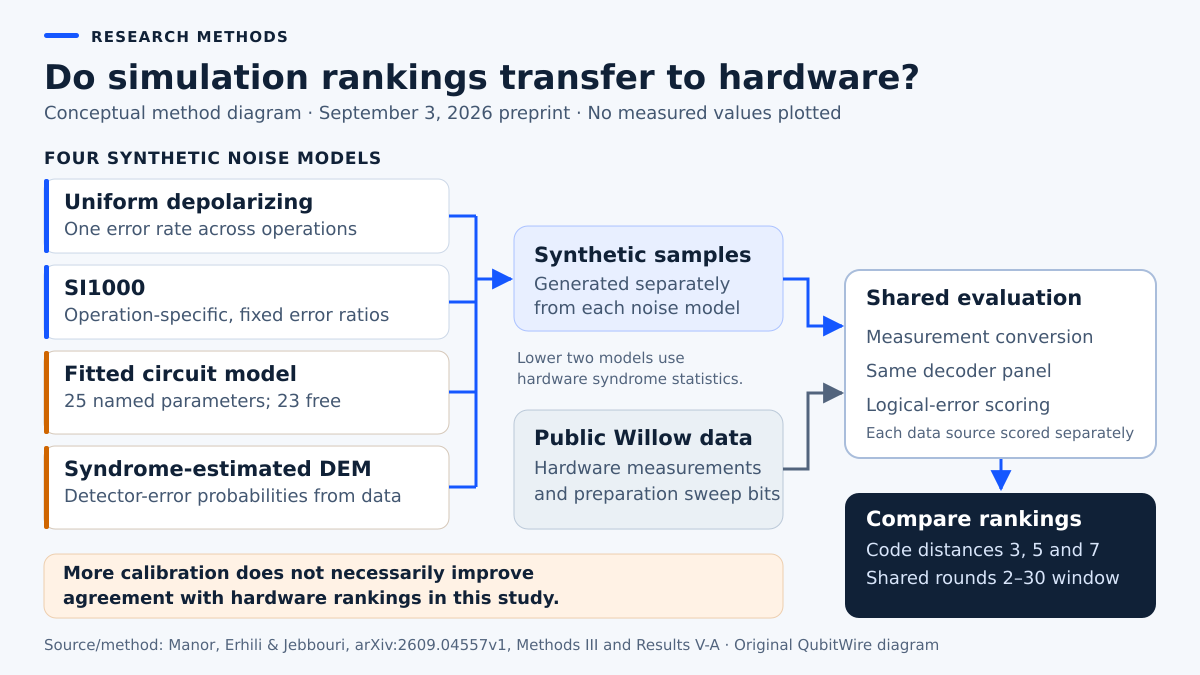
A preprint using Google Willow records separates predicting error rates from choosing error-correction software.
Research2 min read
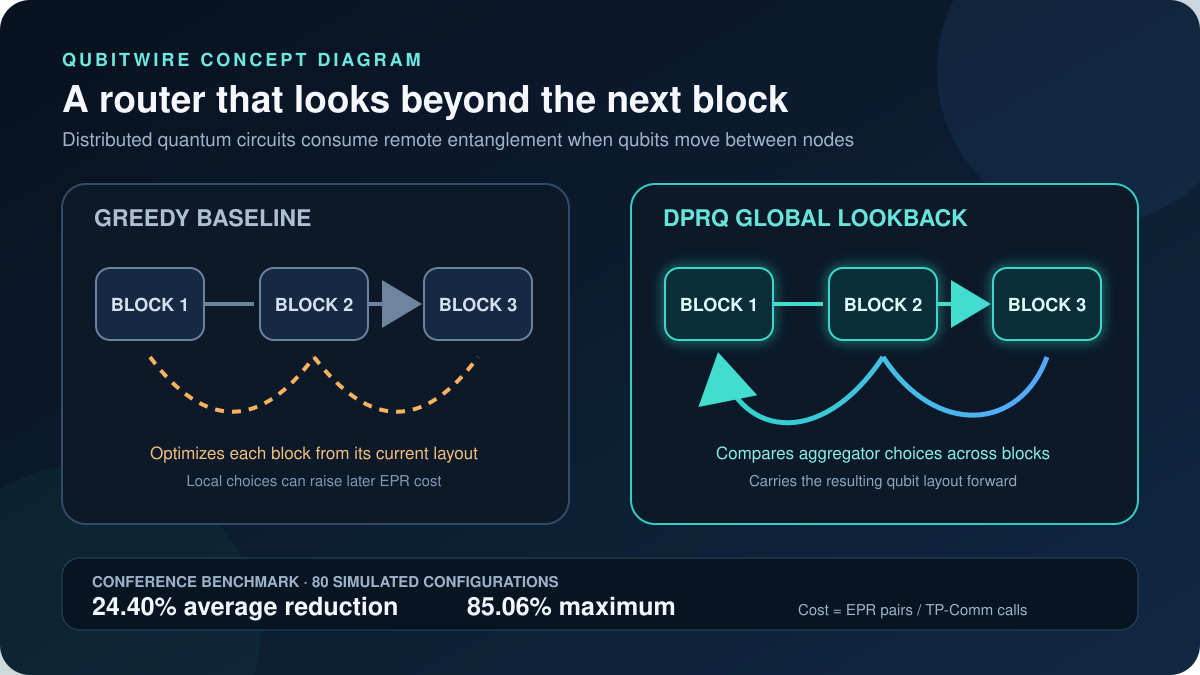
A conference benchmark reports lower EPR-pair use than QuComm, but only in simulation and under a matched communication protocol.
Hardware2 min read
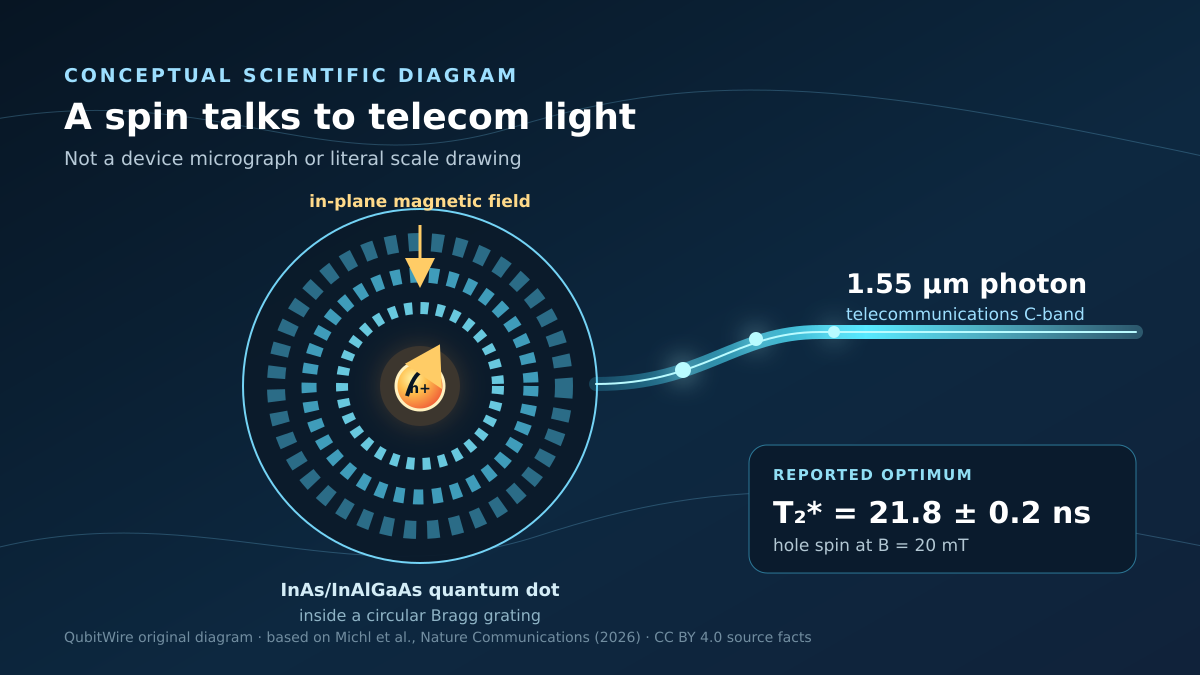
Peer-reviewed measurements link a semiconductor hole spin to 1.55-micrometre photons, but this remains an interface experiment—not a network node.
Research2 min read
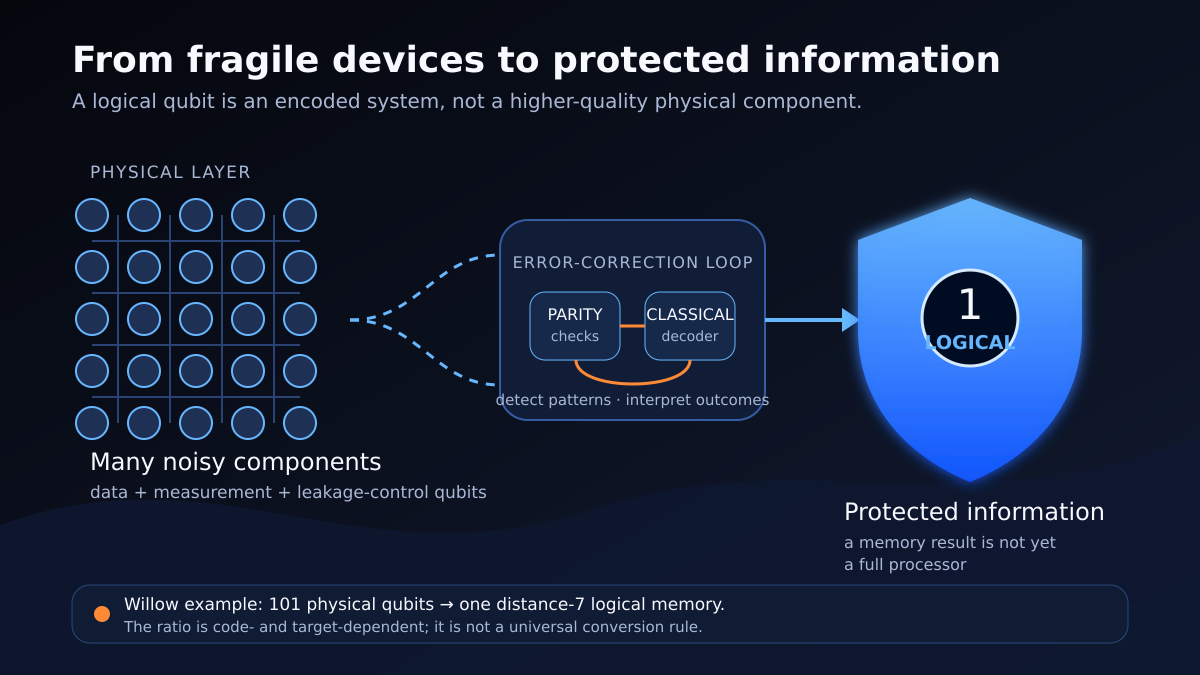
Physical qubits are the hardware. Logical qubits are error-protected systems built from them—and the conversion is never a universal ratio.