Hardware 4 min read
Some error-corrected quantum computers need a steady supply of specially prepared states. A laboratory result shows one way to make them cleaner.
Research 2 min read
A 2026 experiment revisits a gravity-inspired model of information transfer. The surprise is real; a tunnel through space is not.
Illustrative photo · Coldupnorth Applications 2 min read
You can design a small circuit at home and submit it to remote quantum hardware. The first lesson is telling a real chip from a simulation.
Illustrative photo · Freddylihamba Security 2 min read
Blind quantum computing aims to hide your instructions and answer from the machine doing the work. A real experiment shows why that is more than a thought experiment.
Illustrative photo · J. Jost / NIST Applications 2 min read
A 2026 study tackles a much-discussed quantum-computing target without a quantum processor. The classical competition is not standing still.
Security 2 min read
Encrypted information stolen today could still matter years from now. That changes when organizations need to prepare.
Research 2 min read
A quantum annealer explored how an apparently stable state falls apart. Its “bubbles” stayed inside an engineered model, not our universe.
Illustrative photo · Mwjohnson0 Hardware 2 min read
A continuously replenished array held more than 3,000 atoms for over two hours. The hard part is replacing them without disturbing their neighbors.
Illustrative photo · Tomasz Kawalec Research 2 min read
Researchers held one branch of an atomic wave still while another fell. Reuniting them revealed a distinctive gravitational phase.
Applications 2 min read
A tiny Australian prototype can take in light, store energy and deliver electrical current. Its strangest trick is how it scales.
Research 2 min read
A 62-kilometer fiber link near Washington carried entanglement through a messy real-world environment. Reliability, not distance, is the story.
Research 2 min read
A new Chalmers method targets a slow step in controlling protected quantum information, not every calculation a quantum computer performs.
Loading a superconducting resonator. Hardware context, not the proposed Floquet gate. · Laboratory for Physical Sciences Applications 2 min read
Sandia is guiding cold atoms along a 420-nanometer fiber—a step toward motion sensors that would not need a satellite signal.
Applications 2 min read
Grover’s algorithm can cut the number of checks dramatically, but understanding what counts as a check explains both its promise and its limits.
Hardware 2 min read
In trapped-ion machines, getting the right qubits together can mean giving the atoms a carefully controlled commute.
Research 2 min read
An experiment with vibrating aluminum membranes shows how mechanical motion can join the quantum-information toolkit.
Hardware Explainer 2 min read
A missing atom can be useful hardware, and different diamond designs have very different ideas about staying cool.
Hardware Explainer 2 min read
Laser tweezers turn single atoms into movable quantum bits, and the resulting grid is something researchers can actually photograph.
Hardware Explainer 2 min read
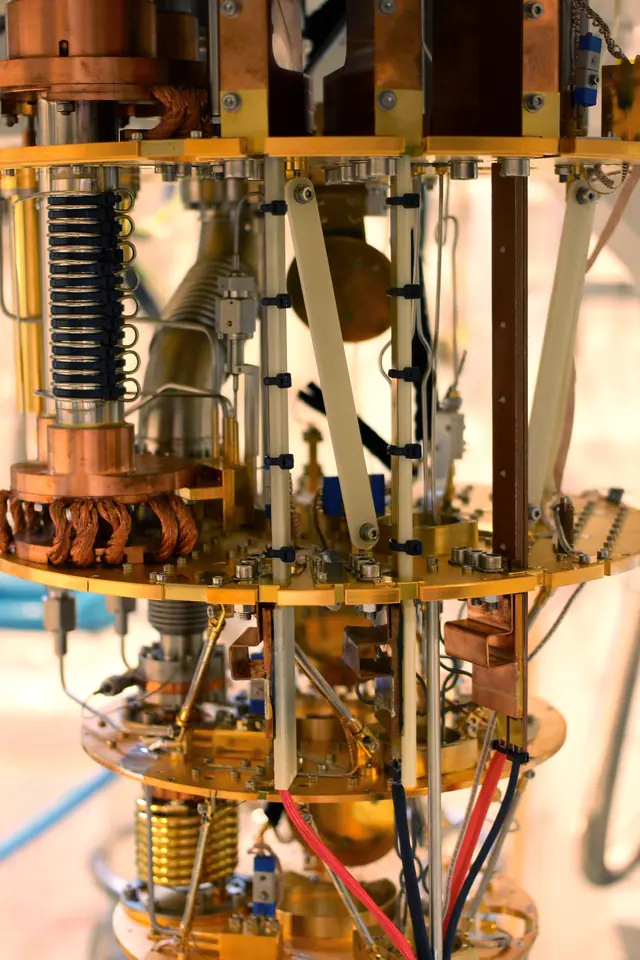
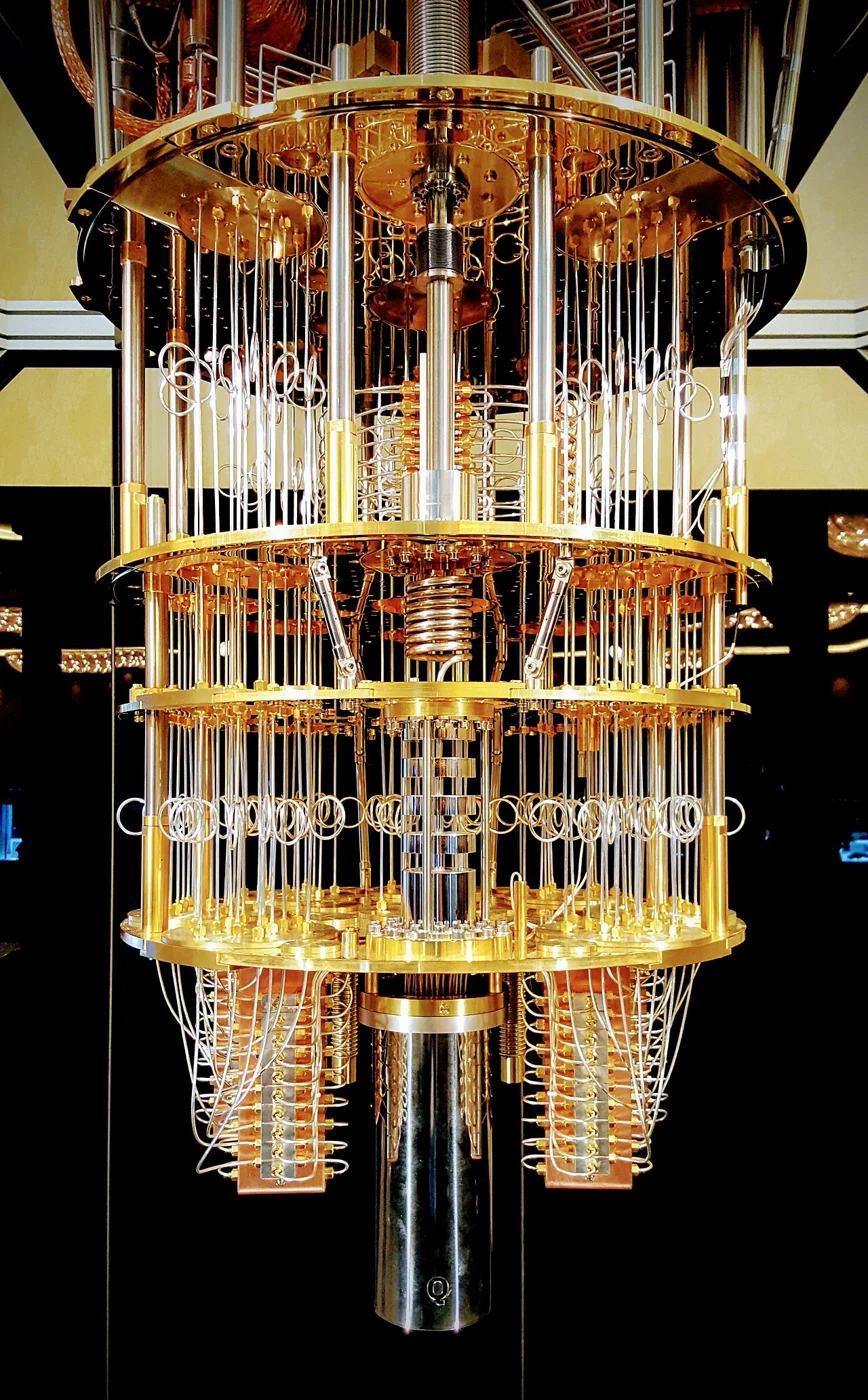
The glamorous hardware in quantum-computer photos has a surprisingly practical job: keeping a tiny processor extraordinarily cold.
Applications Explainer 2 min read
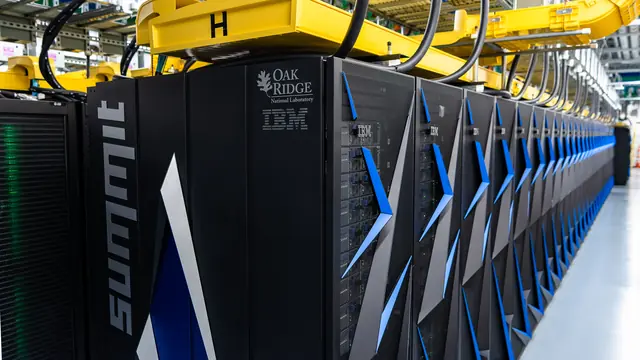
A 56-qubit machine and several supercomputers tackled a surprisingly tricky question: can you trust someone else’s digital coin toss?
Research Explainer 2 min read
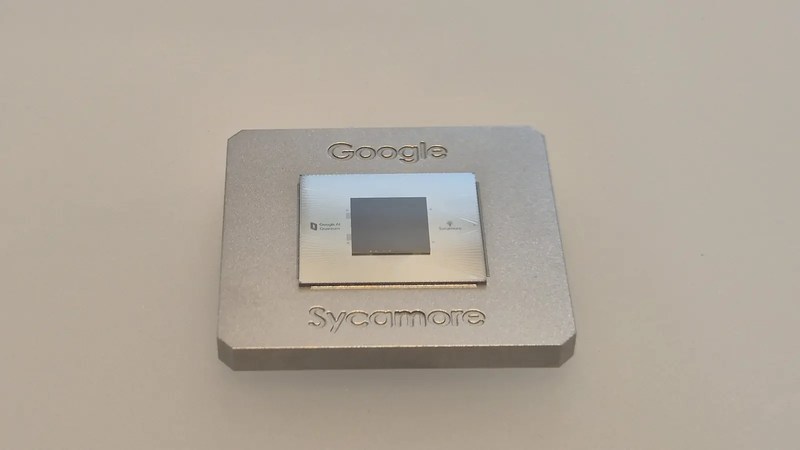
Google’s qubits settled into an unusual repeating rhythm, giving researchers a new way to explore how matter behaves.
Research Explainer 2 min read
Cold atoms could let an orbital pathfinder detect tiny gravity differences caused by shifting water and ice—but it is not mapping aquifers yet.
M Squared atom interferometer, 2016. Context; not NASA’s proposed spacecraft. · European Space Agency Research 2 min read
A simulated chip layout uses barriers and shuffled error-correction codes to keep one radiation hit from becoming a whole-chip problem.
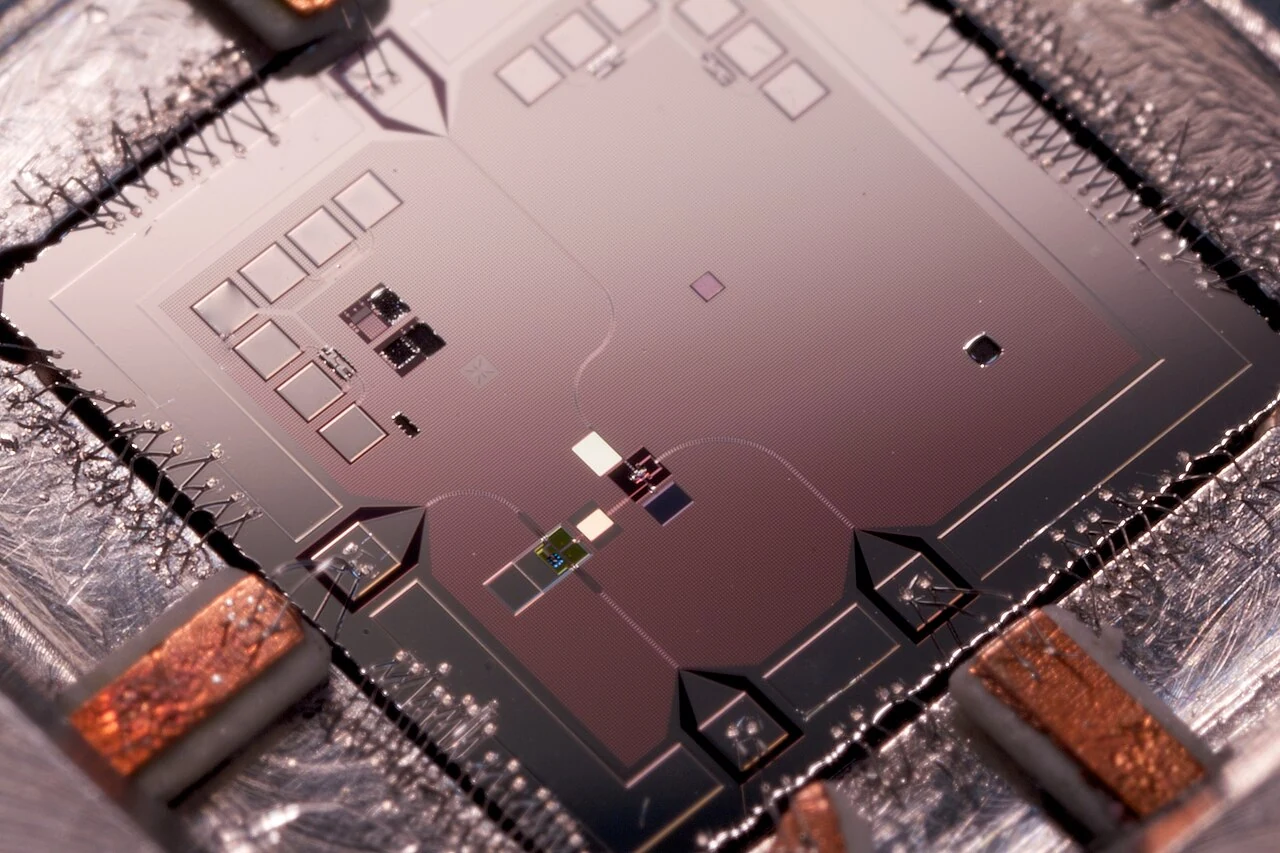
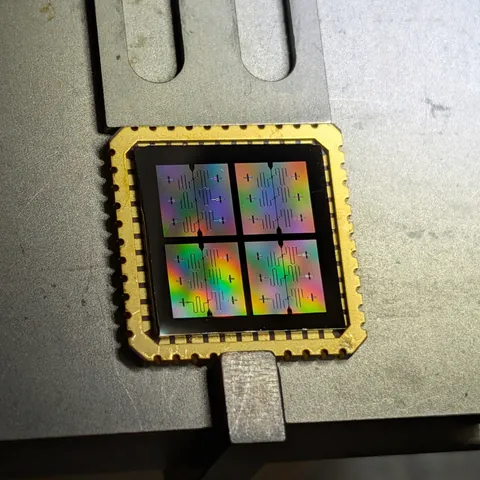
Packaged superconducting chip, 2026. Context; TETRIS-Q is a simulated design. · OJB Quantum / Onri Jay Benally Business + Policy 2 min read
The federal agreement targets ion-trap manufacturing and optical components, not a finished fault-tolerant computer.
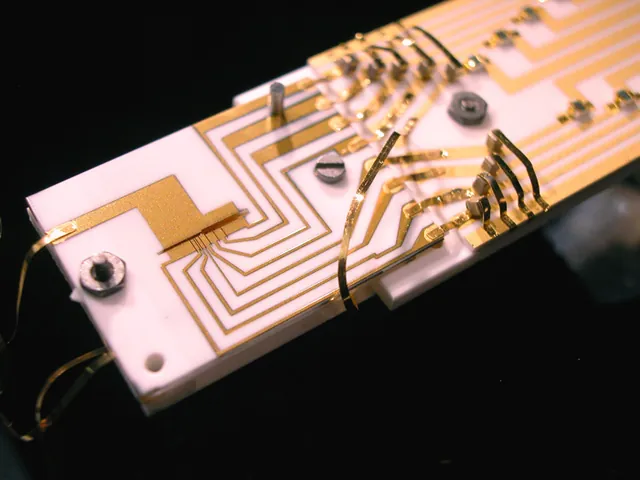
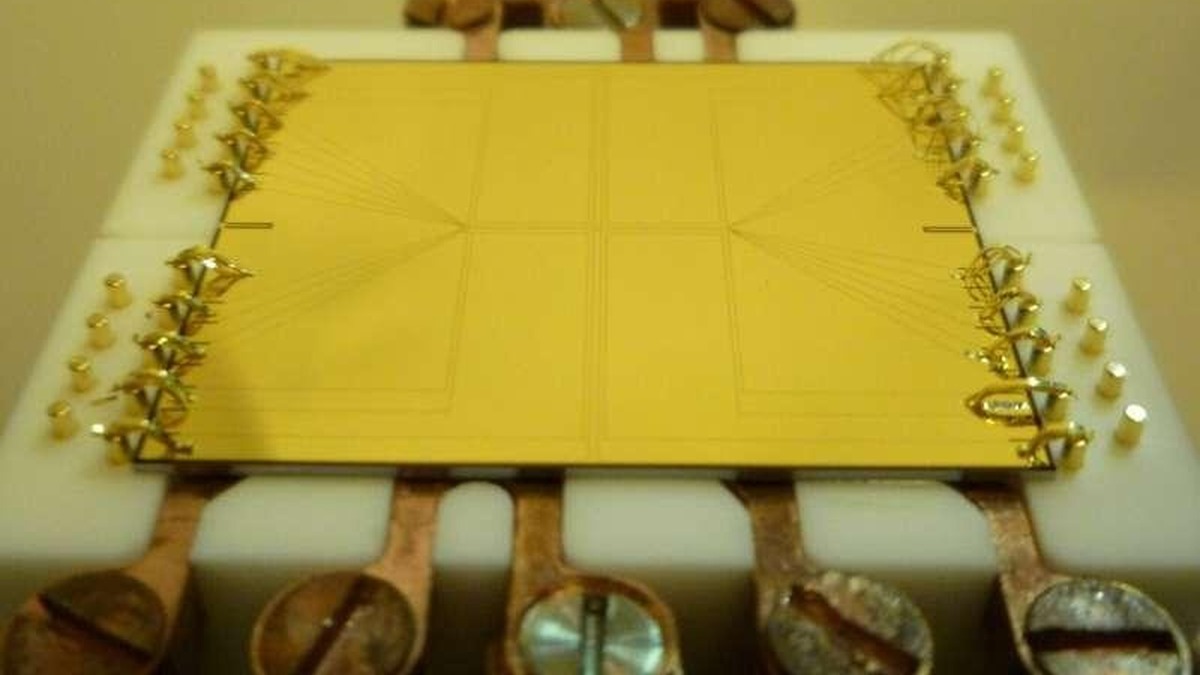
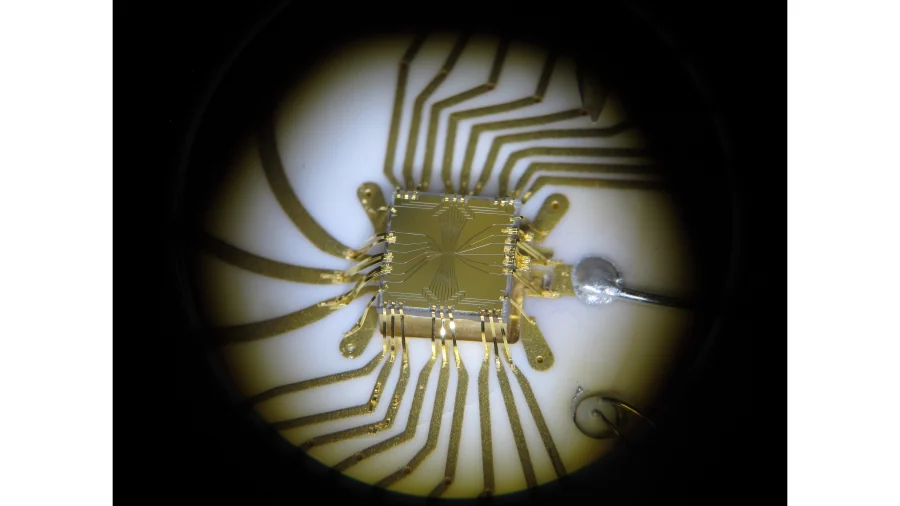
NIST gold-electrode ion trap. Related hardware; not Quantinuum’s funded device. · D. Slichter/NIST